
Contents
- 📚 Introduction to Technology-Enhanced Learning
- 📊 The History of Educational Technology
- 🤔 The Skeptic's View: Limitations of EdTech
- 📈 The Fan's Perspective: Success Stories in EdTech
- 🔧 The Engineer's Take: How EdTech Actually Works
- 🔮 The Futurist's Vision: The Future of Technology-Enhanced Learning
- 📊 The Economics of EdTech: Investment and Funding
- 📚 The Impact of EdTech on Traditional Education
- 🤝 The Role of Teachers in Technology-Enhanced Learning
- 📊 Assessing the Effectiveness of EdTech
- 📈 The Controversy Surrounding EdTech: Debates and Criticisms
- 🔜 Conclusion: Revolution or Evolution?
- Frequently Asked Questions
- Related Topics
Overview
Technology-enhanced learning has been a topic of discussion among educators and researchers for decades, with the first computer-assisted instruction programs emerging in the 1960s. Since then, the field has evolved significantly, with the introduction of online learning platforms, mobile devices, and artificial intelligence. According to a report by the National Center for Education Statistics, in 2019, 77% of teachers in the United States reported using digital tools to support student learning. However, the effectiveness of technology-enhanced learning is still a subject of debate, with some arguing that it can improve student outcomes and increase access to education, while others raise concerns about the digital divide and the potential for technology to exacerbate existing inequalities. For instance, a study by the Organization for Economic Cooperation and Development (OECD) found that students who used computers frequently at school tended to perform better in reading and mathematics. Nevertheless, the use of technology in education is likely to continue growing, with the global education technology market projected to reach $341 billion by 2025, according to a report by HolonIQ. As technology continues to advance, it is essential to consider the potential implications for the future of education, including the role of AI-powered adaptive learning systems and the potential for virtual and augmented reality to enhance student engagement.
📚 Introduction to Technology-Enhanced Learning
The integration of technology in learning, also known as Technology-Enhanced Learning, has been a topic of discussion among educators, policymakers, and technologists. The question remains whether this integration is a Revolution or an Evolution in the education sector. To understand this, it's essential to delve into the History of Educational Technology and its impact on Traditional Education. The use of Learning Management Systems and Online Courses has become increasingly popular, with many institutions adopting these technologies to enhance the learning experience.
📊 The History of Educational Technology
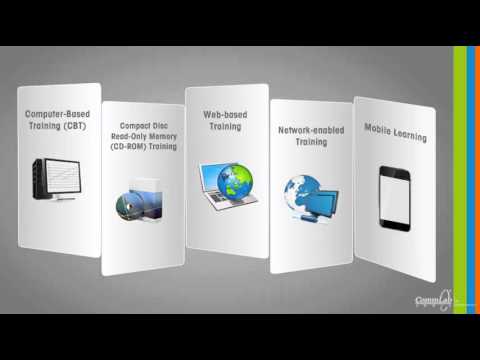
The History of Educational Technology dates back to the 1960s, when the first Computer-Based Training programs were introduced. Since then, there have been significant advancements in Educational Software and Hardware, leading to the development of E-Learning platforms and Mobile Learning solutions. The impact of these technologies on Student Outcomes and Teacher Productivity has been notable, with many studies showing improved Academic Achievement and increased Teacher Satisfaction. However, there are also concerns about the Digital Divide and its effects on Equity in Education.
🤔 The Skeptic's View: Limitations of EdTech
From a Skeptic's perspective, the limitations of EdTech are a major concern. The high costs of implementing and maintaining these technologies can be a significant burden on Educational Institutions, and the lack of Standardization in EdTech Standards can make it difficult to integrate different systems. Additionally, there are concerns about the Effectiveness of EdTech in improving Student Outcomes, with some studies showing mixed results. The Digital Natives debate also raises questions about the role of technology in shaping the learning experience. Despite these concerns, many educators and policymakers believe that EdTech has the potential to Transform Education and improve Learning Outcomes.
📈 The Fan's Perspective: Success Stories in EdTech
On the other hand, there are many success stories in EdTech that demonstrate its potential to enhance the learning experience. The use of Adaptive Learning technologies, such as Artificial Intelligence-powered Tutoring Systems, has shown significant promise in improving Student Outcomes. The implementation of Blended Learning models, which combine traditional teaching methods with online learning, has also been successful in many Educational Institutions. Furthermore, the development of Open Educational Resources has made high-quality educational content available to students and teachers around the world, promoting Equity in Education and Access to Education.
🔧 The Engineer's Take: How EdTech Actually Works
From an Engineer's perspective, the technical aspects of EdTech are crucial to its success. The development of Learning Management Systems and E-Learning Platforms requires a deep understanding of Software Development and System Integration. The use of Data Analytics and Learning Analytics can help educators and policymakers understand the effectiveness of EdTech and make data-driven decisions. The Interoperability of different EdTech systems is also essential to ensure seamless integration and minimize technical issues. Additionally, the Cybersecurity of EdTech systems is a critical concern, as the protection of Student Data and Educational Institutions' networks is essential.
🔮 The Futurist's Vision: The Future of Technology-Enhanced Learning
Looking to the future, the Futurist's vision for EdTech is one of Personalized Learning and Adaptive Assessment. The use of Artificial Intelligence and Machine Learning will continue to play a major role in shaping the learning experience, with the potential to Transform Education and improve Learning Outcomes. The development of Virtual Reality and Augmented Reality technologies will also enhance the learning experience, providing students with immersive and interactive learning environments. Furthermore, the growth of Online and Distance Learning will continue to increase, providing students with greater flexibility and access to educational opportunities.
📊 The Economics of EdTech: Investment and Funding
The Economics of EdTech is a critical aspect of its development and implementation. The investment in EdTech has been significant, with many Venture Capital Firms and Educational Institutions investing heavily in EdTech startups and initiatives. The Return on Investment for EdTech is a major concern, as educators and policymakers seek to understand the impact of EdTech on Student Outcomes and Teacher Productivity. The Cost-Effectiveness of EdTech is also essential, as educational institutions seek to minimize costs while maximizing the benefits of EdTech. Additionally, the Funding Models for EdTech are evolving, with many institutions exploring new ways to fund EdTech initiatives, such as Public-Private Partnerships.
📚 The Impact of EdTech on Traditional Education
The impact of EdTech on Traditional Education has been significant, with many educators and policymakers seeking to understand the role of technology in shaping the learning experience. The use of Learning Management Systems and Online Courses has changed the way teachers teach and students learn, with many institutions adopting Blended Learning models that combine traditional teaching methods with online learning. The Digital Transformation of educational institutions is underway, with many seeking to leverage technology to improve Student Outcomes and Teacher Productivity. However, there are also concerns about the Disruption of traditional education models and the potential for EdTech to Widen the Achievement Gap.
🤝 The Role of Teachers in Technology-Enhanced Learning
The role of Teachers in Technology-Enhanced Learning is critical, as they play a key role in shaping the learning experience and ensuring the effective use of EdTech. The Professional Development of teachers is essential, as they need to develop the skills and knowledge necessary to effectively integrate EdTech into their teaching practices. The Teacher Training programs should focus on the Pedagogy of EdTech, as well as the technical aspects of EdTech, to ensure that teachers are equipped to use EdTech effectively. Additionally, the Teacher Support systems should be in place to provide teachers with the necessary resources and guidance to effectively use EdTech. The Teacher Evaluation processes should also take into account the effective use of EdTech, as it is an essential aspect of teaching and learning.
📊 Assessing the Effectiveness of EdTech
Assessing the Effectiveness of EdTech is crucial, as educators and policymakers seek to understand the impact of EdTech on Student Outcomes and Teacher Productivity. The use of Data Analytics and Learning Analytics can help educators and policymakers understand the effectiveness of EdTech and make data-driven decisions. The Evaluation Methods for EdTech should be rigorous and comprehensive, taking into account the Context in which EdTech is used, as well as the Outcomes that EdTech is intended to achieve. The Standards for EdTech should be established to ensure that EdTech meets the necessary criteria for effectiveness and quality.
📈 The Controversy Surrounding EdTech: Debates and Criticisms
The controversy surrounding EdTech is significant, with many debates and criticisms surrounding its use. The Digital Divide is a major concern, as it can exacerbate existing inequalities in education. The Equity in Education debate raises questions about the role of EdTech in promoting or hindering equity. The Privacy Concerns surrounding EdTech are also significant, as the collection and use of Student Data raise concerns about Data Protection. Additionally, the Access to EdTech is a critical issue, as many students and teachers lack access to the necessary technology and infrastructure to effectively use EdTech.
🔜 Conclusion: Revolution or Evolution?
In conclusion, the question of whether Technology-Enhanced Learning is a Revolution or an Evolution in the education sector is complex and multifaceted. While EdTech has the potential to Transform Education and improve Learning Outcomes, there are also significant challenges and controversies surrounding its use. As educators and policymakers move forward, it is essential to consider the History of Educational Technology, the Effectiveness of EdTech, and the Controversy surrounding EdTech, as well as the Future of EdTech and its potential to shape the learning experience.
Key Facts
- Year
- 2022
- Origin
- United States
- Category
- Education Technology
- Type
- Concept
Frequently Asked Questions
What is Technology-Enhanced Learning?
Technology-Enhanced Learning refers to the use of technology to enhance the learning experience. This can include the use of Learning Management Systems, Online Courses, and Educational Software to support teaching and learning. The goal of Technology-Enhanced Learning is to improve Student Outcomes and Teacher Productivity by providing students with access to high-quality educational content and resources.
What are the benefits of Technology-Enhanced Learning?
The benefits of Technology-Enhanced Learning include improved Student Outcomes, increased Teacher Productivity, and enhanced Access to Education. Technology-Enhanced Learning can also provide students with personalized learning experiences, real-time feedback, and access to a wide range of educational resources. Additionally, Technology-Enhanced Learning can help to Reduce Costs associated with traditional education models and improve Educational Efficiency.
What are the challenges of Technology-Enhanced Learning?
The challenges of Technology-Enhanced Learning include the Digital Divide, Equity in Education, and Access to EdTech. Additionally, there are concerns about the Effectiveness of EdTech, the Quality of EdTech, and the Support for Teachers. The Implementation of EdTech can also be complex and time-consuming, requiring significant investment in Infrastructure and Professional Development.
How can educators and policymakers ensure the effective use of Technology-Enhanced Learning?
Educators and policymakers can ensure the effective use of Technology-Enhanced Learning by providing Professional Development opportunities for teachers, investing in Infrastructure and EdTech Tools, and establishing Standards for EdTech. Additionally, educators and policymakers should prioritize Equity in Education and work to address the Digital Divide. The use of Data Analytics and Learning Analytics can also help educators and policymakers understand the effectiveness of EdTech and make data-driven decisions.
What is the future of Technology-Enhanced Learning?
The future of Technology-Enhanced Learning is likely to be shaped by advances in Artificial Intelligence, Machine Learning, and Virtual Reality. The use of Personalized Learning and Adaptive Assessment will continue to grow, providing students with tailored learning experiences and real-time feedback. The Growth of Online Learning will also continue, providing students with greater flexibility and access to educational opportunities. As educators and policymakers move forward, it is essential to consider the History of Educational Technology, the Effectiveness of EdTech, and the Controversy surrounding EdTech.