
Contents
- 🎵 Origins & History
- ⚙️ How It Works
- 📊 Key Facts & Numbers
- 👥 Key People & Organizations
- 🌍 Cultural Impact & Influence
- ⚡ Current State & Latest Developments
- 🤔 Controversies & Debates
- 🔮 Future Outlook & Predictions
- 💡 Practical Applications
- 📚 Related Topics & Deeper Reading
- Frequently Asked Questions
- References
- Related Topics
Overview
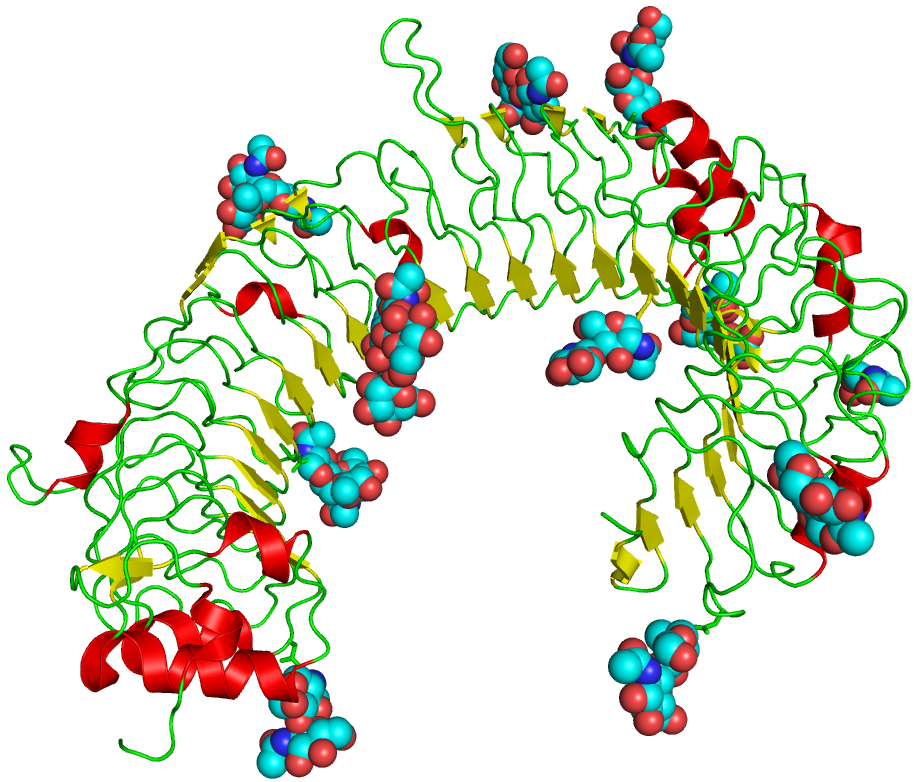
Toll-like receptors (TLRs) are a class of proteins that play a crucial role in the innate immune system, recognizing structurally conserved molecules derived from microbes and activating immune cell responses. With 10 functional TLRs in humans, including TLR1, TLR2, TLR3, TLR4, TLR5, TLR6, TLR7, TLR8, TLR9, and TLR10, these receptors are essential for detecting pathogens and triggering an immune response. According to the National Institutes of Health, TLRs are expressed on sentinel cells such as macrophages and dendritic cells, and their dysfunction has been linked to various diseases, including cancer, autoimmune diseases, and infectious diseases. With over 10,000 research studies published on TLRs in the last decade, as reported by PubMed, the importance of TLRs in maintaining immune homeostasis cannot be overstated. As noted by Bruce Beutler, a Nobel laureate in physiology or medicine, TLRs are a key component of the innate immune system, and their discovery has revolutionized our understanding of immune responses.
🎵 Origins & History
The discovery of Toll-like receptors (TLRs) dates back to the 1990s, when Christine Werner and Jules Hoffmann identified the Toll gene in Drosophila melanogaster. This breakthrough led to the identification of similar genes in humans, and the subsequent discovery of the TLR family. As noted by Charles Janeway, a pioneer in the field of immunology, the discovery of TLRs has had a profound impact on our understanding of the immune system. Today, research on TLRs is a thriving field, with scientists like Bruce Beutler and Ruslan Medzhitov making significant contributions to our understanding of these receptors.
⚙️ How It Works
TLRs are single-spanning receptors that recognize structurally conserved molecules derived from microbes, such as lipopolysaccharides and DNA. Once these microbes have reached physical barriers such as the skin or intestinal tract mucosa, they are recognized by TLRs, which activate immune cell responses. The TLRs include TLR1, TLR2, TLR3, TLR4, TLR5, TLR6, TLR7, TLR8, TLR9, and TLR10, each with distinct ligand specificities and signaling pathways. For example, TLR4 is activated by lipopolysaccharides, while TLR9 is activated by DNA containing CpG motifs.
📊 Key Facts & Numbers
There are 10 functional TLRs in humans, with TLR1, TLR2, TLR4, TLR5, TLR6, and TLR10 located on the cell membrane, and TLR3, TLR7, TLR8, and TLR9 located in intracellular vesicles. According to the World Health Organization, the dysfunction of TLRs has been linked to various diseases, including cancer, autoimmune diseases, and infectious diseases. For instance, mutations in the TLR4 gene have been associated with an increased risk of sepsis, while polymorphisms in the TLR9 gene have been linked to an increased risk of lupus.
👥 Key People & Organizations
Key people in the field of TLR research include Bruce Beutler, Ruslan Medzhitov, and Charles Janeway. Organizations such as the National Institutes of Health and the World Health Organization have also played a crucial role in advancing our understanding of TLRs. For example, the National Institutes of Health has funded numerous research studies on TLRs, including a recent study on the role of TLRs in cancer development.
🌍 Cultural Impact & Influence
The cultural impact of TLRs can be seen in the development of new therapies and treatments for various diseases. For instance, TLR agonists are being explored as potential cancer therapies, while TLR antagonists are being developed to treat autoimmune diseases. As noted by Science Magazine, the discovery of TLRs has opened up new avenues for the treatment of infectious diseases, and has revolutionized our understanding of the immune system.
⚡ Current State & Latest Developments
Current research on TLRs is focused on understanding their role in various diseases, including cancer, autoimmune diseases, and infectious diseases. According to a recent study published in Nature, TLRs have been shown to play a crucial role in the development of cancer, and TLR agonists are being explored as potential therapies. Additionally, TLR antagonists are being developed to treat autoimmune diseases, such as lupus and rheumatoid arthritis.
🤔 Controversies & Debates
Despite the significant progress made in understanding TLRs, there are still controversies and debates surrounding their role in various diseases. For instance, some researchers argue that TLRs play a protective role in cancer, while others argue that they promote tumor growth. As noted by Cell, the debate surrounding the role of TLRs in cancer is ongoing, and further research is needed to fully understand their function.
🔮 Future Outlook & Predictions
The future outlook for TLR research is promising, with potential applications in the development of new therapies and treatments for various diseases. According to Forbes, the market for TLR-based therapies is expected to grow significantly in the next decade, with several companies, including Gilead Sciences and Pfizer, developing TLR-based treatments. As noted by Bruce Beutler, the discovery of TLRs has opened up new avenues for the treatment of infectious diseases, and has revolutionized our understanding of the immune system.
💡 Practical Applications
Practical applications of TLR research include the development of new therapies and treatments for various diseases. For instance, TLR agonists are being explored as potential cancer therapies, while TLR antagonists are being developed to treat autoimmune diseases. Additionally, TLRs are being used as biomarkers for the diagnosis of various diseases, including infectious diseases and cancer.
Key Facts
- Year
- 1990s
- Origin
- Drosophila melanogaster
- Category
- chronic-conditions
- Type
- concept
Frequently Asked Questions
What are Toll-like receptors?
Toll-like receptors (TLRs) are a class of proteins that play a key role in the innate immune system. They recognize structurally conserved molecules derived from microbes and activate immune cell responses.
What are the different types of TLRs?
There are 10 functional TLRs in humans, including TLR1, TLR2, TLR3, TLR4, TLR5, TLR6, TLR7, TLR8, TLR9, and TLR10. Each TLR has distinct ligand specificities and signaling pathways.
What is the role of TLRs in disease?
TLRs play a crucial role in the development of various diseases, including cancer, autoimmune diseases, and infectious diseases. They can either promote or protect against disease, depending on the context.
What are the potential applications of TLR research?
TLR research has potential applications in the development of new therapies and treatments for various diseases, including cancer, autoimmune diseases, and infectious diseases. TLRs can be used as biomarkers for disease diagnosis and as targets for therapy.
Who are some key people in TLR research?
Some key people in TLR research include Bruce Beutler, Ruslan Medzhitov, and Charles Janeway. These researchers have made significant contributions to our understanding of TLRs and their role in the immune system.
What is the current state of TLR research?
TLR research is a rapidly evolving field, with new discoveries and advancements being made regularly. Current research is focused on understanding the role of TLRs in various diseases and developing new therapies and treatments.
What are some controversies and debates surrounding TLRs?
There are several controversies and debates surrounding TLRs, including the role of TLRs in cancer development and the use of TLR agonists as cancer therapies. Further research is needed to fully understand the function of TLRs and their potential applications.
What is the future outlook for TLR research?
The future outlook for TLR research is promising, with potential applications in the development of new therapies and treatments for various diseases. As our understanding of TLRs and their role in the immune system continues to evolve, we can expect to see new breakthroughs and advancements in the field.