
Contents
- 🚀 Introduction to Spacecraft Launches
- 🛰️ History of Space Exploration
- 🔍 The Science of Spacecraft Launches
- 🚀 Types of Spacecraft Launches
- 🛰️ Notable Spacecraft Launches
- 🌎 International Cooperation in Space Exploration
- 🚀 Challenges and Risks of Spacecraft Launches
- 🔮 The Future of Spacecraft Launches
- 📊 Economic Impact of Spacecraft Launches
- 👥 Key Players in Spacecraft Launches
- 🚀 Conclusion: The Next Frontier
- Frequently Asked Questions
- Related Topics
Overview
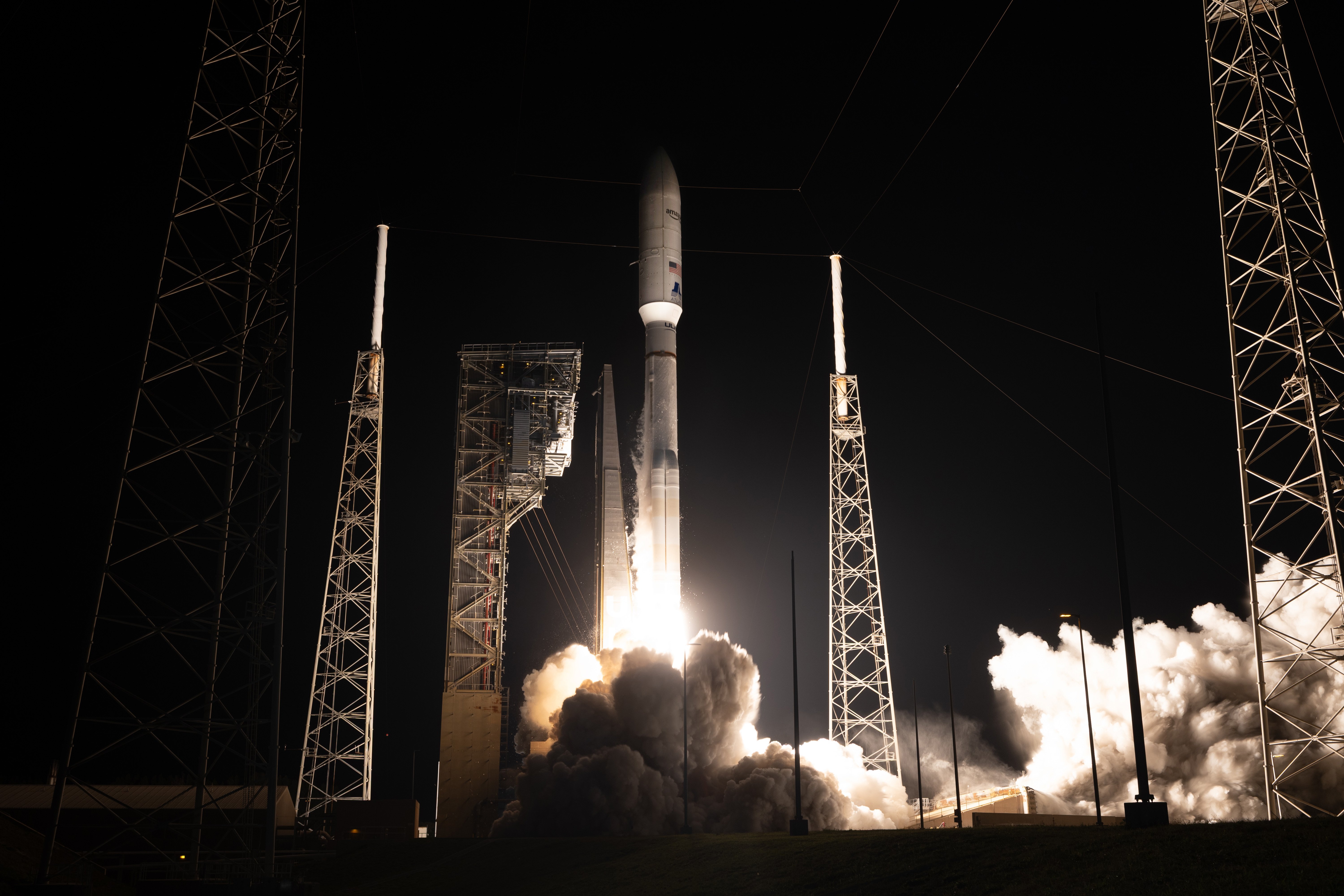
Spacecraft launches have been the cornerstone of space exploration since the launch of Sputnik 1 by the Soviet Union on October 4, 1957. This pivotal event marked the beginning of the space age, with the United States quickly following suit with the launch of Explorer 1 on January 31, 1958. Over the years, numerous spacecraft have been launched, including the Apollo missions that successfully landed humans on the Moon, starting with Apollo 11 on July 20, 1969. The Soviet Union also achieved significant milestones, such as launching the first space station, Salyut 1, on April 19, 1971. Today, private companies like SpaceX and Blue Origin are pushing the boundaries of space travel, with reusable rockets and plans for lunar and Mars missions. As technology advances and international cooperation grows, the future of spacecraft launches looks promising, with potential for both manned and unmanned missions to explore deeper into our solar system and beyond, sparking debates about the ethics and sustainability of space exploration.
🚀 Introduction to Spacecraft Launches
The concept of Spacecraft Launches has been a fascinating topic for decades, with the first successful launch of Sputnik 1 by the Soviet Union in 1957. Since then, numerous countries and organizations have launched their own spacecraft, including the United States, Russia, China, and the European Space Agency. The NASA program, in particular, has been at the forefront of space exploration, with notable missions such as Apollo 11 and the International Space Station. As technology continues to advance, the possibilities for Space Exploration are endless, with both government agencies and private companies like SpaceX and Blue Origin pushing the boundaries of what is possible.
🛰️ History of Space Exploration
The history of Space Exploration is a rich and complex one, with numerous milestones and achievements along the way. From the early days of Rocketry to the current era of Reusable Rockets, the field has evolved significantly over the years. The Soviet Union played a significant role in the early days of space exploration, with the launch of Sputnik 1 and the first human spaceflight by Yuri Gagarin. The United States soon followed, with the launch of Mercury and the Apollo Program. Today, countries like China and India are also making significant contributions to the field of Space Exploration.
🔍 The Science of Spacecraft Launches
The science behind Spacecraft Launches is complex and multifaceted, involving a deep understanding of Physics, Mathematics, and Engineering. The process of launching a spacecraft into orbit or beyond requires careful planning and execution, taking into account factors such as Orbital Mechanics, Propulsion Systems, and Life Support Systems. The development of new technologies, such as Reusable Rockets and Advanced Propulsion Systems, is also crucial for advancing the field of Space Exploration. Companies like SpaceX and Blue Origin are at the forefront of this research, with their innovative approaches to Spacecraft Design and Launch Vehicle Development.
🚀 Types of Spacecraft Launches
There are several types of Spacecraft Launches, each with its own unique characteristics and challenges. Crewed Spaceflight missions, such as those conducted by NASA and Roscosmos, require careful planning and execution to ensure the safety of the astronauts on board. Uncrewed Spaceflight missions, on the other hand, can be used for a variety of purposes, including Scientific Research and Earth Observation. Interplanetary Spaceflight missions, such as those sent to Mars and Jupiter, require significant resources and planning, but offer the potential for major breakthroughs in our understanding of the universe. Companies like SpaceX and Blue Origin are also developing new types of Spacecraft Launches, such as Reusable Rockets and Suborbital Spaceflight.
🛰️ Notable Spacecraft Launches
There have been many notable Spacecraft Launches throughout history, each with its own unique significance and impact. The launch of Sputnik 1 in 1957 marked the beginning of the Space Age, while the Apollo 11 mission in 1969 marked the first time humans walked on the Moon. The launch of the International Space Station in 1998 marked a major milestone in International Cooperation in space exploration, with multiple countries and organizations working together to build and operate the station. More recently, the launch of SpaceX's Falcon 9 rocket and Dragon spacecraft has marked a new era in Private Spaceflight, with companies like SpaceX and Blue Origin pushing the boundaries of what is possible.
🌎 International Cooperation in Space Exploration
International cooperation in Space Exploration is crucial for advancing our understanding of the universe and addressing the challenges that come with it. The International Space Station is a prime example of this cooperation, with multiple countries and organizations working together to build and operate the station. Other examples include the European Space Agency's Rosetta mission, which involved collaboration with multiple countries and organizations, and the NASA's Mars 2020 mission, which included contributions from multiple countries and organizations. Companies like SpaceX and Blue Origin are also working with international partners to advance the field of Space Exploration.
🚀 Challenges and Risks of Spacecraft Launches
Despite the many advances in Spacecraft Launches, there are still significant challenges and risks associated with space exploration. The risk of Space Debris is a major concern, as is the risk of Radiation Exposure for both astronauts and electronic equipment. The development of new technologies, such as Reusable Rockets and Advanced Propulsion Systems, is crucial for reducing these risks and advancing the field of Space Exploration. Companies like SpaceX and Blue Origin are at the forefront of this research, with their innovative approaches to Spacecraft Design and Launch Vehicle Development.
🔮 The Future of Spacecraft Launches
The future of Spacecraft Launches is exciting and uncertain, with many new developments and advancements on the horizon. The development of Reusable Rockets and Advanced Propulsion Systems is expected to significantly reduce the cost and increase the efficiency of space travel. The establishment of a Lunar Base and a Mars Colony are also major goals for the future of space exploration, with companies like SpaceX and Blue Origin working towards these objectives. The potential for Space Tourism and Space Mining is also significant, with many companies and organizations exploring these opportunities.
📊 Economic Impact of Spacecraft Launches
The economic impact of Spacecraft Launches is significant, with the global space industry valued at over $400 billion. The development of new technologies, such as Reusable Rockets and Advanced Propulsion Systems, is expected to create new job opportunities and stimulate economic growth. The establishment of a Lunar Base and a Mars Colony could also have significant economic benefits, including the potential for Space Tourism and Space Mining. Companies like SpaceX and Blue Origin are already creating new job opportunities and stimulating economic growth in the space industry.
👥 Key Players in Spacecraft Launches
There are many key players in the field of Spacecraft Launches, including government agencies, private companies, and international organizations. NASA is a major player in the field, with a long history of space exploration and a strong commitment to advancing the field. Companies like SpaceX and Blue Origin are also major players, with their innovative approaches to Spacecraft Design and Launch Vehicle Development. International organizations, such as the United Nations and the European Space Agency, also play a crucial role in promoting international cooperation and advancing the field of Space Exploration.
🚀 Conclusion: The Next Frontier
In conclusion, the field of Spacecraft Launches is a complex and fascinating one, with a rich history and a bright future. The development of new technologies, such as Reusable Rockets and Advanced Propulsion Systems, is expected to significantly reduce the cost and increase the efficiency of space travel. The establishment of a Lunar Base and a Mars Colony are also major goals for the future of space exploration, with companies like SpaceX and Blue Origin working towards these objectives. As we look to the future, it is clear that the field of Space Exploration will continue to play a major role in advancing our understanding of the universe and addressing the challenges that come with it.
Key Facts
- Year
- 1957
- Origin
- Soviet Union
- Category
- Aerospace
- Type
- Event
Frequently Asked Questions
What is the history of spacecraft launches?
The history of spacecraft launches dates back to the 1950s, with the launch of Sputnik 1 by the Soviet Union in 1957. Since then, numerous countries and organizations have launched their own spacecraft, including the United States, Russia, China, and the European Space Agency. The NASA program, in particular, has been at the forefront of space exploration, with notable missions such as Apollo 11 and the International Space Station.
What are the different types of spacecraft launches?
There are several types of spacecraft launches, including Crewed Spaceflight missions, Uncrewed Spaceflight missions, and Interplanetary Spaceflight missions. Each type of launch has its own unique characteristics and challenges, and requires careful planning and execution to ensure success.
What are the risks associated with spacecraft launches?
There are several risks associated with spacecraft launches, including the risk of Space Debris, Radiation Exposure, and Launch Failure. The development of new technologies, such as Reusable Rockets and Advanced Propulsion Systems, is crucial for reducing these risks and advancing the field of Space Exploration.
What is the future of spacecraft launches?
The future of spacecraft launches is exciting and uncertain, with many new developments and advancements on the horizon. The development of Reusable Rockets and Advanced Propulsion Systems is expected to significantly reduce the cost and increase the efficiency of space travel. The establishment of a Lunar Base and a Mars Colony are also major goals for the future of space exploration, with companies like SpaceX and Blue Origin working towards these objectives.
Who are the key players in the field of spacecraft launches?
There are many key players in the field of spacecraft launches, including government agencies, private companies, and international organizations. NASA is a major player in the field, with a long history of space exploration and a strong commitment to advancing the field. Companies like SpaceX and Blue Origin are also major players, with their innovative approaches to Spacecraft Design and Launch Vehicle Development.