
Contents
- 🌕 Introduction to the Moon
- 🚀 Orbital Characteristics
- 🌊 Tidal Forces and Locking
- 👀 Exploration and Research
- 🔭 Composition and Geology
- 🌐 The Moon's Role in Earth's Ecosystem
- 🚫 Challenges and Controversies
- 🔮 Future of Moon Exploration
- 📊 Moon Facts and Figures
- 👥 Key Players in Moon Research
- 🌟 Cultural Significance of the Moon
- Frequently Asked Questions
- Related Topics
Overview
The Moon, Earth's sole natural satellite, has been a subject of human fascination for centuries. With a vibe score of 8, the Moon's cultural significance extends beyond its scientific importance, influencing art, literature, and mythology. The Moon's formation, estimated to have occurred around 4.5 billion years ago, is still debated among scientists, with the giant impact hypothesis being the most widely accepted theory. NASA's Apollo missions, which successfully landed humans on the Moon between 1969 and 1972, marked a significant milestone in space exploration. However, the Moon's exploration is not without controversy, with ongoing debates about the feasibility of lunar colonization and the potential risks of space tourism. As we continue to push the boundaries of space travel, the Moon remains an essential stepping stone for future missions to Mars and beyond, with private companies like SpaceX and Blue Origin already making significant strides in lunar exploration.
🌕 Introduction to the Moon
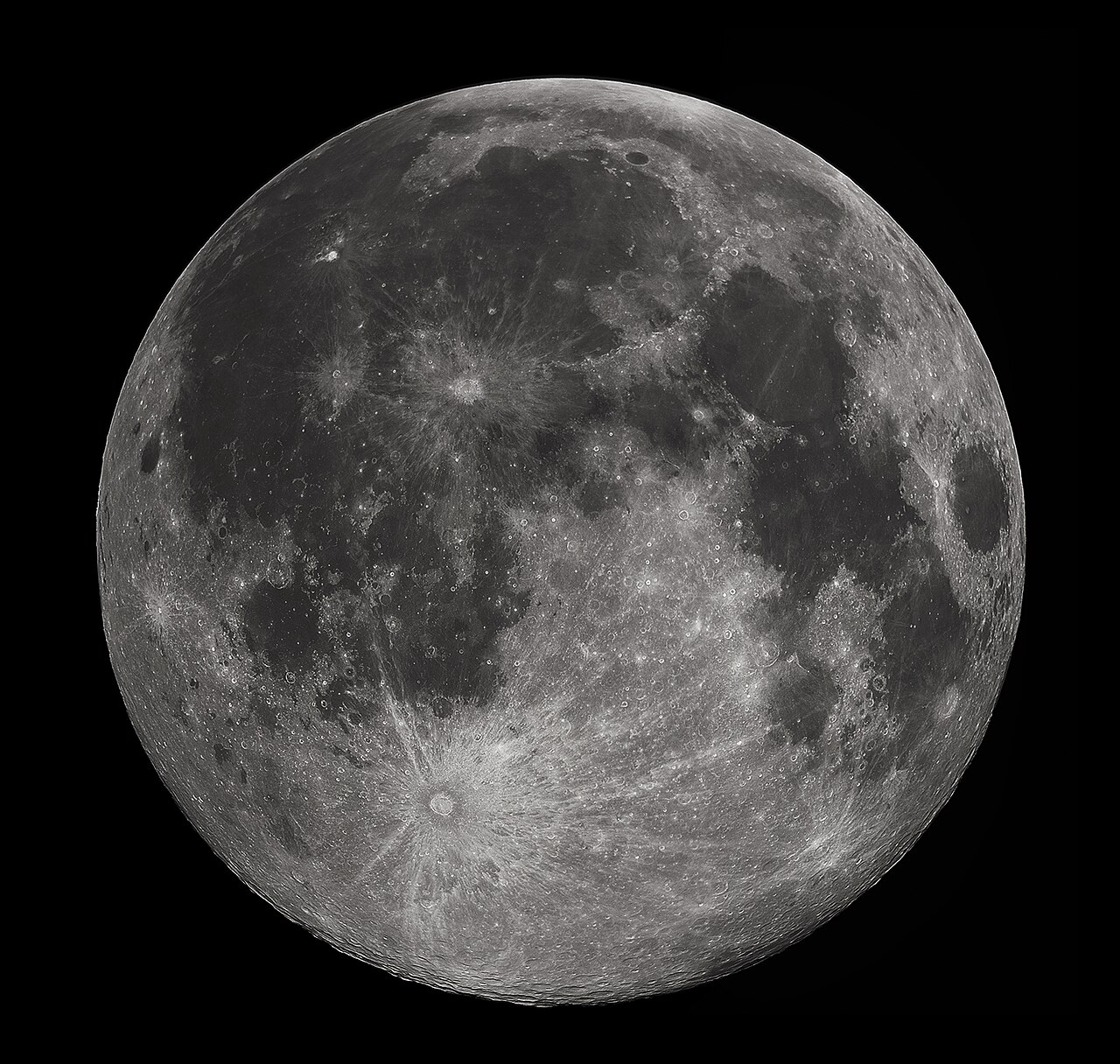
The Moon, Earth's sole natural satellite, has long been a subject of fascination and study in the fields of Astronomy and Space Exploration. With an average distance of 384,399 kilometres from Earth, the Moon orbits our planet at a distance roughly 30 times the width of Earth. This unique relationship between the two celestial bodies has led to a profound impact on Earth's tides, as the gravitational attraction between the Moon and Earth results in the Tidal Forces that drive our ocean's tides. The Moon's surface, with its Craters and Mountain ranges, is a testament to its violent history, shaped by Asteroid impacts and Volcanic Activity. As we continue to explore and understand the Moon, we are reminded of the importance of Space Research in advancing our knowledge of the universe.
🚀 Orbital Characteristics
The Moon's orbital characteristics are a crucial aspect of its relationship with Earth. Completing an orbit in relation to Earth and the Sun (synodically) every 29.5 days, the Moon's orbit is not a perfect circle, but rather an Ellipse that brings it closer to and further from Earth at different points. This elliptical orbit, combined with the Moon's Tidal Locking, results in the Moon always showing the same near side to Earth. The far side of the Moon, sometimes called the 'dark side', was not visible to humans until the Soviet Luna Program sent a spacecraft to image it in the 1950s. Today, we continue to study the Moon's orbit and its effects on Earth's Ocean Currents and Climate.
🌊 Tidal Forces and Locking
The tidal forces resulting from the gravitational attraction between the Moon and Earth have a profound impact on our planet's oceans. The Tidal Range, which is the difference between the highest and lowest tides, is a direct result of the Moon's gravitational pull. As the Moon orbits Earth, it causes the ocean water to bulge out in two areas: one on the side of the Earth facing the Moon and the other on the opposite side. This results in the rise and fall of the sea level, creating the tides that shape our coastlines and affect our Marine Ecosystems. The Moon's tidal locking also means that the same side of the Moon always faces Earth, a phenomenon that has been studied extensively in the fields of Geology and Astronomy.
👀 Exploration and Research
Human exploration and research of the Moon have been ongoing for decades, with the first successful Lunar Landing taking place in 1969 as part of the Apollo Program. Since then, numerous spacecraft have been sent to the Moon, including the Lunar Reconnaissance Orbiter and the Lunar Crater Observation and Sensing Satellite. These missions have greatly expanded our knowledge of the Moon's Composition, Geology, and Atmosphere. As we continue to explore the Moon, we are also developing new technologies and strategies for Space Travel and Space Habitat creation. The Moon's surface, with its Regolith and Lunar Rocks, holds many secrets, and continued research is necessary to unlock its full potential.
🔭 Composition and Geology
The Moon's composition and geology are complex and fascinating topics of study. The Moon's surface is composed of a variety of Rock Types, including Basalt, Anorthosite, and Breccia. The Moon's interior is thought to be composed of a Core and Mantle, similar to Earth's. However, the Moon's core is much smaller, and its mantle is composed of different Mineral Types. The Moon's surface has been shaped by a combination of Impact Cratering, Volcanic Activity, and Tectonic Activity. As we continue to study the Moon's geology, we are gaining a better understanding of its Formation and Evolution.
🌐 The Moon's Role in Earth's Ecosystem
The Moon plays a crucial role in Earth's ecosystem, and its influence extends far beyond the tides. The Moon's gravitational pull helps to stabilize Earth's Axis, which is tilted at an angle of about 23.5 degrees. This tilt is responsible for the changing Seasons, and the Moon's gravitational influence helps to maintain this tilt. The Moon also has an impact on Earth's Ocean Currents, which play a critical role in regulating the planet's Climate. As we continue to study the Moon and its effects on Earth, we are reminded of the importance of Sustainability and Environmental Conservation. The Moon's surface, with its Lunar Regolith and Lunar Rocks, holds many secrets, and continued research is necessary to unlock its full potential.
🚫 Challenges and Controversies
Despite the many advances that have been made in our understanding of the Moon, there are still many challenges and controversies surrounding its exploration and research. One of the main challenges is the Radiation that astronauts would be exposed to on the Moon's surface, which is a major concern for Space Agencies and Private Space Companies. Another challenge is the Lunar Dust, which is a fine, powdery substance that can be hazardous to both humans and electronic equipment. As we continue to explore the Moon, we must also address the controversy surrounding the Lunar Resources, including the Helium-3 that could be used as a fuel source for Nuclear Fusion.
🔮 Future of Moon Exploration
As we look to the future of Moon exploration, there are many exciting developments on the horizon. Private Space Companies such as SpaceX and Blue Origin are working towards establishing a human presence on the Moon, with the goal of creating a Lunar Base that could serve as a hub for further space exploration. Space Agencies such as NASA and the ESA are also planning new missions to the Moon, including the Artemis Program, which aims to return humans to the Moon by 2024. As we continue to explore the Moon, we are reminded of the importance of International Cooperation and Space Governance.
📊 Moon Facts and Figures
The Moon is a fascinating and complex celestial body, with many interesting facts and figures. The Moon's surface gravity is only about one-sixth of the Earth's surface gravity, which is why astronauts can jump higher on the Moon than on Earth. The Moon's Lunar Exosphere is a very thin atmosphere that offers little protection from the Solar Wind. The Moon's Lunar Regolith is a fine, powdery substance that covers much of its surface. As we continue to study the Moon, we are gaining a better understanding of its Composition, Geology, and Atmosphere.
👥 Key Players in Moon Research
There are many key players in Moon research, including NASA, the ESA, and Private Space Companies such as SpaceX and Blue Origin. These organizations are working together to advance our understanding of the Moon and to develop new technologies and strategies for Space Travel and Space Habitat creation. As we continue to explore the Moon, we are reminded of the importance of International Cooperation and Space Governance. The Moon's surface, with its Craters and Mountain ranges, is a testament to its violent history, shaped by Asteroid impacts and Volcanic Activity.
🌟 Cultural Significance of the Moon
The Moon has a profound cultural significance, with many ancient cultures worshiping it as a Deity. The Moon has also been a source of inspiration for Art, Literature, and Music throughout history. The Moon's Lunar Cycle has been used to track time and to plan Agricultural activities. As we continue to explore the Moon, we are reminded of the importance of Cultural Preservation and Space Heritage. The Moon's surface, with its Lunar Regolith and Lunar Rocks, holds many secrets, and continued research is necessary to unlock its full potential.
Key Facts
- Year
- 1959
- Origin
- Solar System
- Category
- Space and Astronomy
- Type
- Celestial Body
Frequently Asked Questions
What is the average distance from the Earth to the Moon?
The average distance from the Earth to the Moon is approximately 384,399 kilometres. This distance is constantly changing due to the elliptical shape of the Moon's orbit. The closest point in the orbit, called perigee, is about 356,400 kilometres, while the farthest point, called apogee, is about 405,500 kilometres. The Moon's orbit is not a perfect circle, but rather an ellipse that brings it closer to and further from Earth at different points.
How long does it take the Moon to complete one orbit around the Earth?
The Moon takes approximately 29.5 days to complete one orbit around the Earth. This is called a synodic month, which is the time it takes for the Moon to return to the same position in the sky relative to the Sun. The Moon's orbit is synchronized with its rotation, which means that it takes the Moon the same amount of time to rotate on its axis as it takes to orbit the Earth. This is known as tidal locking, and it results in the Moon always showing the same face to Earth.
What is the Moon's surface composed of?
The Moon's surface is composed of a variety of rock types, including basalt, anorthosite, and breccia. The Moon's surface is also covered with a layer of regolith, which is a fine, powdery substance created by the impact of meteorites and other space debris. The regolith is thought to be several meters thick in some areas and is a major challenge for any future human missions to the Moon. The Moon's surface has been shaped by a combination of impact cratering, volcanic activity, and tectonic activity, which has created a complex and fascinating geology.
What is the significance of the Moon's tidal locking?
The Moon's tidal locking is significant because it means that the same side of the Moon always faces the Earth. This is because the Moon's rotation is synchronized with its orbit, which means that it takes the Moon the same amount of time to rotate on its axis as it takes to orbit the Earth. The tidal locking is caused by the gravitational interaction between the Earth and the Moon, which slows down the Moon's rotation over time. The Moon's tidal locking has a profound impact on the Earth's tides, and it also affects the stability of the Earth's axis, which is tilted at an angle of about 23.5 degrees.
What are the challenges and controversies surrounding the Moon's exploration and research?
There are several challenges and controversies surrounding the Moon's exploration and research, including the radiation that astronauts would be exposed to on the Moon's surface, the lunar dust that can be hazardous to both humans and electronic equipment, and the controversy surrounding the lunar resources, including the helium-3 that could be used as a fuel source for nuclear fusion. There are also concerns about the environmental impact of human activity on the Moon, as well as the need for international cooperation and space governance to ensure that the Moon is explored and developed in a responsible and sustainable way.
What is the future of Moon exploration?
The future of Moon exploration is exciting and rapidly evolving, with several private space companies and space agencies planning new missions to the Moon in the coming years. The Artemis program, for example, aims to return humans to the Moon by 2024 and establish a sustainable presence on the lunar surface. The program will involve several missions, including the Artemis I, which will send an uncrewed spacecraft to the Moon, and the Artemis II, which will send the first woman and the next man to the Moon. The ultimate goal of the program is to establish a sustainable human presence on the Moon and to use the Moon as a stepping stone for further human exploration of the solar system.
What is the cultural significance of the Moon?
The Moon has a profound cultural significance, with many ancient cultures worshiping it as a deity. The Moon has also been a source of inspiration for art, literature, and music throughout history. The Moon's lunar cycle has been used to track time and to plan agricultural activities, and its phases have been associated with various mythological and symbolic meanings. The Moon's cultural significance is still celebrated today, with many people around the world continuing to be fascinated by its beauty and mystery.