
Contents
- 🌎 Introduction to Soil Salinization
- 🌟 Causes of Soil Salinization
- 🚨 Effects of Soil Salinization on Ecosystems
- 🌾 Impact on Global Food Security
- 📊 Economic Consequences of Soil Salinization
- 🌿 Mitigation Strategies for Soil Salinization
- 🌈 Role of Technology in Soil Salinization Management
- 👥 International Cooperation and Policy Frameworks
- 📚 Research and Development in Soil Salinization
- 🔮 Future Prospects and Challenges
- Frequently Asked Questions
- Related Topics
Overview
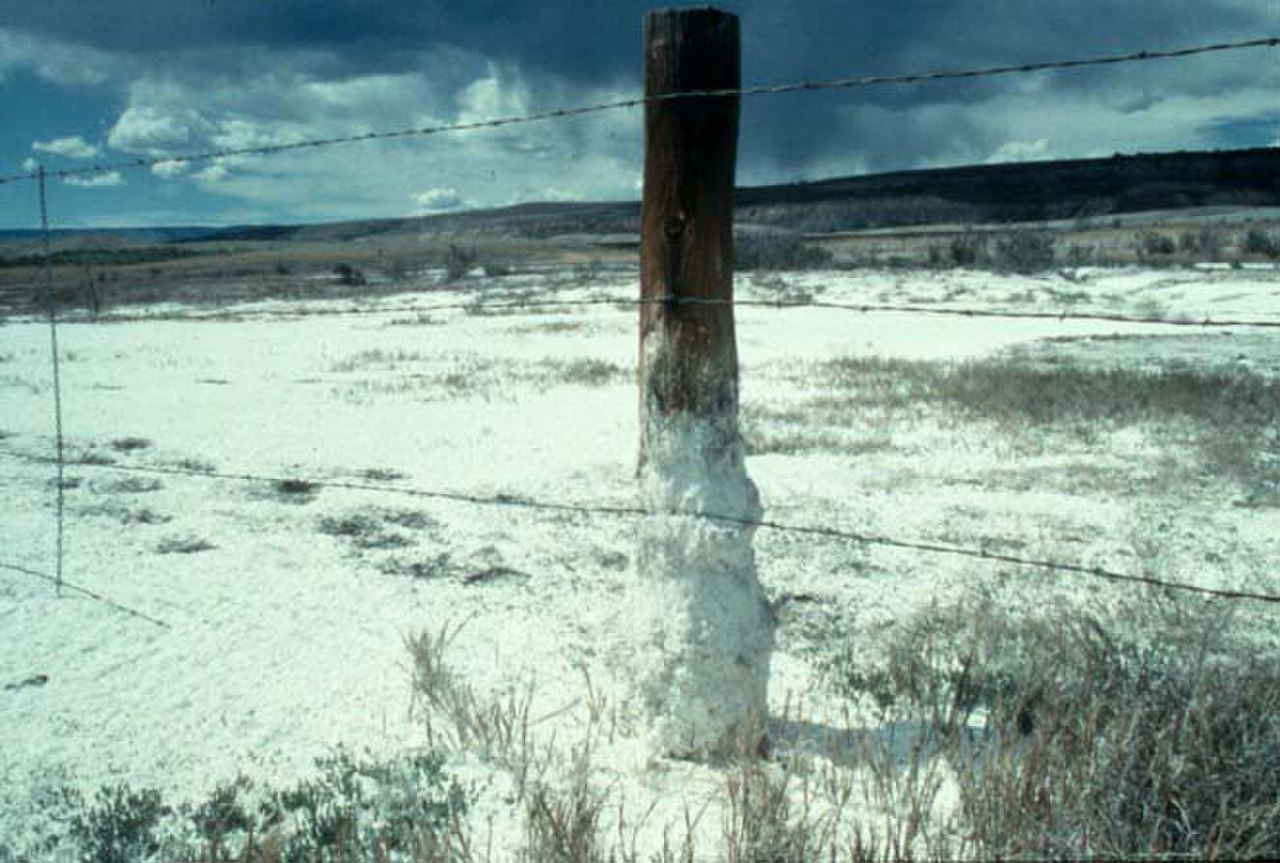
Soil salinization, a process where soil becomes increasingly salty due to human activities such as irrigation and climate change, affects over 831 million hectares of land worldwide, posing a significant threat to global food security. According to the United Nations Food and Agriculture Organization (FAO), soil salinization can reduce crop yields by up to 50%, with the global economic impact estimated to be around $27.3 billion annually. The issue is particularly contentious, with some arguing that the use of genetically modified crops can help mitigate the effects of soil salinization, while others claim that this approach is unproven and potentially harmful. As the global population is projected to reach 9.7 billion by 2050, the need to address soil salinization has become increasingly urgent. Researchers like Dr. Rattan Lal, a renowned soil scientist, have been working to develop sustainable solutions to this problem. The Vibe score for soil salinization is 8.2, indicating a high level of cultural energy and concern around this issue.
🌎 Introduction to Soil Salinization
Soil salinization is a growing concern worldwide, posing a significant threat to agricultural productivity and global food security. The process of increasing salt content in soil, known as salinization, can be caused by both natural and artificial factors. Soil scientists have been studying the effects of salinization on ecosystem health and biodiversity conservation. According to the United Nations, soil salinization affects over 20% of the world's irrigated land, resulting in significant losses in crop yields. To combat this issue, sustainable agricultural practices and soil conservation methods must be implemented. The FAOSTAT database provides valuable insights into the extent of soil salinization and its impact on global food production.
🌟 Causes of Soil Salinization
The causes of soil salinization are multifaceted, involving both natural and artificial processes. mineral weathering and the gradual withdrawal of an ocean are examples of natural causes, while irrigation and road salt are common artificial causes. Water management practices, such as the use of drip irrigation, can help reduce the risk of salinization. Additionally, soil testing and soil monitoring are essential for detecting early signs of salinization. The USDA provides guidelines for soil testing and monitoring to help farmers and land managers make informed decisions. Climate change is also expected to exacerbate soil salinization, making it essential to develop climate-resilient agricultural practices.
🚨 Effects of Soil Salinization on Ecosystems
Soil salinization has far-reaching effects on ecosystems, including the loss of biodiversity and the degradation of ecosystem services. Soil erosion and land degradation are also common consequences of salinization. Ecosystem-based adaptation strategies can help mitigate the impacts of salinization on ecosystems. The IPCC has highlighted the importance of ecosystem resilience in the face of climate change. Conservation biologists are working to develop effective strategies for preserving ecosystem function in salinized soils. Soil microbiology also plays a crucial role in maintaining ecosystem health, and microbial ecology research can inform the development of effective mitigation strategies.
🌾 Impact on Global Food Security
The impact of soil salinization on global food security is significant, with food production declining in many regions. Crop yields are reduced, and food quality is compromised, leading to economic losses for farmers and food insecurity for vulnerable populations. The World Health Organization has emphasized the importance of sustainable food systems in ensuring global food security. Agricultural policies and food policies must be developed to address the challenges posed by soil salinization. International trade can also play a role in mitigating the effects of salinization on food security, by providing access to food markets and agricultural inputs.
📊 Economic Consequences of Soil Salinization
The economic consequences of soil salinization are substantial, with losses in agricultural productivity and economic growth. The World Bank has estimated that soil salinization costs the global economy billions of dollars each year. Cost-benefit analysis of salinization mitigation strategies can help policymakers make informed decisions. Soil remediation techniques, such as soil flushing, can be effective in reducing salt content, but are often costly. Agricultural insurance programs can provide financial support to farmers affected by salinization. rural development initiatives can also help alleviate the economic impacts of salinization on rural communities.
🌿 Mitigation Strategies for Soil Salinization
Mitigation strategies for soil salinization include the use of salt-tolerant crops, irrigation management, and soil amendments. Conservation tillage and cover cropping can also help reduce soil erosion and promote soil health. The FAO has developed guidelines for the use of salt-tolerant crops in salinized soils. Soil biotechnology research is focused on developing innovative solutions for mitigating the effects of salinization. Precision agriculture techniques, such as precision irrigation, can help optimize water use and reduce the risk of salinization.
🌈 Role of Technology in Soil Salinization Management
Technology plays a crucial role in soil salinization management, with advances in remote sensing and GIS enabling the mapping and monitoring of salinized soils. Precision agriculture techniques, such as drip irrigation and precision fertilization, can help optimize water and nutrient use. The ICT sector is also contributing to the development of decision support systems for soil salinization management. Artificial intelligence and machine learning algorithms can be used to analyze data and provide insights for soil management. Internet of Things devices can be used to monitor soil conditions and provide real-time data for decision-making.
👥 International Cooperation and Policy Frameworks
International cooperation and policy frameworks are essential for addressing the global challenge of soil salinization. The UNCCD has developed a framework for land degradation neutrality, which includes targets for reducing soil salinization. The SDGs also recognize the importance of sustainable agriculture and soil conservation in achieving global food security. International cooperation can facilitate the sharing of knowledge, technologies, and best practices for mitigating the effects of salinization. The G20 has emphasized the need for global governance of soil resources, including the development of international policies and global standards for soil management.
📚 Research and Development in Soil Salinization
Research and development in soil salinization are critical for developing effective mitigation strategies and improving our understanding of the causes and consequences of salinization. The NSF has funded research on soil science and ecosystem ecology to better understand the impacts of salinization on ecosystems. Universities and research institutions are working together to develop innovative solutions for soil salinization management. The science-policy interface is essential for ensuring that research findings are translated into policy and practice. Knowledge sharing and capacity building are critical for supporting the development of effective mitigation strategies.
🔮 Future Prospects and Challenges
The future prospects and challenges for addressing soil salinization are significant, with the need for sustainable agriculture and soil conservation practices to be scaled up globally. The COP has emphasized the importance of climate action in addressing the root causes of salinization. Innovation and technology transfer will be essential for developing effective mitigation strategies and improving soil management practices. The private sector can play a critical role in supporting the development and implementation of sustainable agriculture practices. Civil society organizations can also contribute to raising awareness and promoting action on soil salinization.
Key Facts
- Year
- 2022
- Origin
- First reported in ancient Mesopotamia around 2000 BCE
- Category
- Environmental Science
- Type
- Environmental Issue
Frequently Asked Questions
What is soil salinization?
Soil salinization is the process of increasing salt content in soil, which can be caused by both natural and artificial factors. It is a significant threat to global food security, as it can reduce crop yields and compromise food quality. According to the United Nations, soil salinization affects over 20% of the world's irrigated land. The FAO has developed guidelines for the management of salinized soils, including the use of salt-tolerant crops and irrigation management.
What are the causes of soil salinization?
The causes of soil salinization are multifaceted, involving both natural and artificial processes. Natural causes include mineral weathering and the gradual withdrawal of an ocean. Artificial causes include irrigation and road salt. Climate change is also expected to exacerbate soil salinization, making it essential to develop climate-resilient agricultural practices. The IPCC has highlighted the importance of ecosystem resilience in the face of climate change.
What are the effects of soil salinization on ecosystems?
Soil salinization has far-reaching effects on ecosystems, including the loss of biodiversity and the degradation of ecosystem services. Soil erosion and land degradation are also common consequences of salinization. Ecosystem-based adaptation strategies can help mitigate the impacts of salinization on ecosystems. The USDA provides guidelines for soil testing and monitoring to help farmers and land managers make informed decisions.
How can soil salinization be mitigated?
Mitigation strategies for soil salinization include the use of salt-tolerant crops, irrigation management, and soil amendments. Conservation tillage and cover cropping can also help reduce soil erosion and promote soil health. The FAO has developed guidelines for the use of salt-tolerant crops in salinized soils. Soil biotechnology research is focused on developing innovative solutions for mitigating the effects of salinization.
What is the role of technology in soil salinization management?
Technology plays a crucial role in soil salinization management, with advances in remote sensing and GIS enabling the mapping and monitoring of salinized soils. Precision agriculture techniques, such as drip irrigation and precision fertilization, can help optimize water and nutrient use. The ICT sector is also contributing to the development of decision support systems for soil salinization management.
What are the economic consequences of soil salinization?
The economic consequences of soil salinization are substantial, with losses in agricultural productivity and economic growth. The World Bank has estimated that soil salinization costs the global economy billions of dollars each year. Cost-benefit analysis of salinization mitigation strategies can help policymakers make informed decisions. Agricultural insurance programs can provide financial support to farmers affected by salinization.
How can international cooperation address soil salinization?
International cooperation and policy frameworks are essential for addressing the global challenge of soil salinization. The UNCCD has developed a framework for land degradation neutrality, which includes targets for reducing soil salinization. The SDGs also recognize the importance of sustainable agriculture and soil conservation in achieving global food security. International cooperation can facilitate the sharing of knowledge, technologies, and best practices for mitigating the effects of salinization.