
Contents
- 🌎 Introduction to Soil Flushing
- 💡 The Science Behind Soil Flushing
- 🌱 Applications of Soil Flushing
- 🚮 Case Studies: Successful Soil Flushing Projects
- 📊 Economic Benefits of Soil Flushing
- 🌟 Challenges and Limitations of Soil Flushing
- 🌈 Emerging Trends in Soil Flushing Technology
- 👥 International Cooperation and Soil Flushing
- 📚 Regulatory Frameworks for Soil Flushing
- 🌐 Public Awareness and Education on Soil Flushing
- 🔬 Research and Development in Soil Flushing
- Frequently Asked Questions
- Related Topics
Overview
Soil flushing, a technique used to remove contaminants from soil, has been gaining attention in recent years due to its potential to restore polluted sites. The process involves flooding the soil with a solution that mobilizes and extracts pollutants, which are then collected and treated. However, the method is not without controversy, with some arguing that it can disrupt soil ecosystems and lead to further environmental problems. Despite these concerns, researchers like Dr. Kate Scow, a soil microbiologist at the University of California, Davis, are working to optimize soil flushing techniques and minimize its environmental impact. With the global cost of soil remediation estimated to be in the trillions, soil flushing is an area of growing interest, with companies like Remediation Services International (RSI) already offering commercial soil flushing services. As the field continues to evolve, it is likely that soil flushing will play an increasingly important role in environmental remediation efforts, with a projected market size of $10 billion by 2025, according to a report by MarketsandMarkets. The influence of soil flushing can be seen in the work of the Environmental Protection Agency (EPA), which has established guidelines for the use of soil flushing in remediation projects, and the research of scientists like Dr. Lisa Alvarez-Cohen, who has developed new methods for enhancing the effectiveness of soil flushing.
🌎 Introduction to Soil Flushing
Soil flushing is a revolutionary technique used for environmental remediation of contaminated soil. This method involves the use of water or other solvents to remove pollutants from the soil, making it a crucial tool in the fight against soil pollution. The concept of soil flushing has been around for decades, but recent advancements in technology have made it a more viable and efficient solution. As the world grapples with the challenges of climate change and sustainable development, soil flushing is poised to play a significant role in mitigating the effects of environmental degradation. For instance, the United Nations Environment Programme has recognized the importance of soil flushing in its efforts to promote environmental sustainability.
💡 The Science Behind Soil Flushing
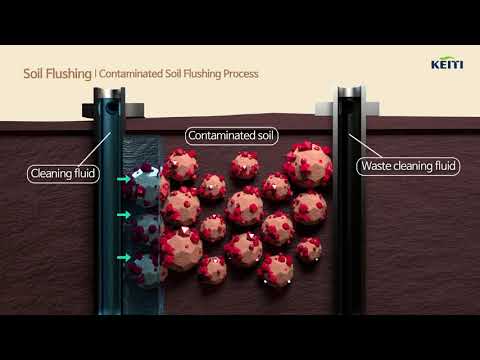
The science behind soil flushing is rooted in the principles of hydrology and geochemistry. The process involves the injection of a flushing solution into the contaminated soil, which then mobilizes the pollutants, making them easier to remove. The choice of flushing solution depends on the type of contaminant present, with water being the most commonly used solvent. However, other solvents like surfactants and chelating agents can also be used to enhance the flushing process. Researchers have also explored the use of bioremediation techniques, which utilize microorganisms to break down pollutants, as a complementary approach to soil flushing. According to a study published in the Journal of Environmental Science and Health, the combination of soil flushing and bioremediation can lead to more effective removal of contaminants.
🌱 Applications of Soil Flushing
Soil flushing has a wide range of applications, from industrial site remediation to agricultural land reclamation. The technique can be used to remove various types of contaminants, including heavy metals, pesticides, and petroleum hydrocarbons. In addition to its environmental benefits, soil flushing can also have economic advantages, such as reducing the need for landfill disposal and minimizing the costs associated with soil excavation. The Environmental Protection Agency (EPA) has recognized the potential of soil flushing as a cost-effective solution for environmental remediation. For example, a case study published in the Journal of Environmental Engineering demonstrated the successful use of soil flushing to remediate a contaminated site in the United States.
🚮 Case Studies: Successful Soil Flushing Projects
Several case studies have demonstrated the effectiveness of soil flushing in real-world scenarios. For instance, a project in China used soil flushing to remove polycyclic aromatic hydrocarbons (PAHs) from contaminated soil, achieving a removal efficiency of over 90%. Another project in Europe utilized soil flushing to remediate a site contaminated with hexachlorobenzene, resulting in a significant reduction in contaminant concentrations. These success stories highlight the potential of soil flushing as a viable solution for environmental remediation. The World Health Organization (WHO) has also acknowledged the importance of soil flushing in its efforts to promote environmental health.
📊 Economic Benefits of Soil Flushing
The economic benefits of soil flushing are numerous, ranging from reduced cleanup costs to increased property values. By removing contaminants from the soil, soil flushing can make previously unusable land available for development, generating revenue and creating jobs. Additionally, the technique can help reduce the economic burdens associated with environmental liability and regulatory compliance. A study published in the Journal of Environmental Economics estimated that the use of soil flushing can result in significant cost savings compared to traditional remediation methods. The International Finance Corporation (IFC) has also recognized the potential of soil flushing as a cost-effective solution for environmental remediation.
🌟 Challenges and Limitations of Soil Flushing
Despite its many benefits, soil flushing is not without its challenges and limitations. One of the major drawbacks is the potential for groundwater contamination, which can occur if the flushing solution is not properly contained. Additionally, the technique may not be effective for all types of contaminants, and the cost of implementation can be prohibitively expensive for some sites. Researchers are working to address these challenges by developing new technologies and techniques, such as nanotechnology and biotechnology, to enhance the efficiency and effectiveness of soil flushing. The National Science Foundation (NSF) has provided funding for research on the development of new soil flushing technologies.
🌈 Emerging Trends in Soil Flushing Technology
Emerging trends in soil flushing technology include the use of artificial intelligence and machine learning to optimize the flushing process. These technologies can help predict the most effective flushing solutions and injection strategies, reducing the time and cost associated with the remediation process. Other trends include the development of sustainable flushing solutions, such as the use of renewable energy and green infrastructure, to minimize the environmental footprint of soil flushing. The United States Department of Energy (DOE) has launched initiatives to promote the development of sustainable soil flushing technologies.
👥 International Cooperation and Soil Flushing
International cooperation is essential for the widespread adoption of soil flushing as a remediation technique. Organizations such as the United Nations and the Organisation for Economic Co-operation and Development (OECD) are working to promote the use of soil flushing and provide technical assistance to countries in need. Additionally, international agreements, such as the Paris Agreement, recognize the importance of environmental remediation and the role that soil flushing can play in achieving sustainable development goals. The European Union (EU) has also established policies to promote the use of soil flushing as a sustainable remediation technique.
📚 Regulatory Frameworks for Soil Flushing
Regulatory frameworks play a crucial role in the implementation of soil flushing as a remediation technique. Governments around the world are developing guidelines and standards for the use of soil flushing, including requirements for site assessment, flushing solution selection, and monitoring and maintenance. The Environmental Protection Agency (EPA) has established guidelines for the use of soil flushing in the United States, and other countries are following suit. The World Bank has also provided guidance on the development of regulatory frameworks for soil flushing.
🌐 Public Awareness and Education on Soil Flushing
Public awareness and education are essential for the successful implementation of soil flushing as a remediation technique. Educating the public about the benefits and risks associated with soil flushing can help build trust and support for the technique. Additionally, public outreach and engagement can help identify potential sites for remediation and promote community involvement in the remediation process. The National Institute of Environmental Health Sciences (NIEHS) has launched initiatives to promote public awareness and education on soil flushing and its health implications.
🔬 Research and Development in Soil Flushing
Research and development are ongoing in the field of soil flushing, with scientists and engineers working to improve the efficiency and effectiveness of the technique. New technologies and techniques, such as advanced oxidation processes and phytoremediation, are being explored to enhance the removal of contaminants from soil. Additionally, researchers are investigating the potential of soil flushing to remediate emerging contaminants, such as per- and polyfluoroalkyl substances (PFAS). The National Science Foundation (NSF) has provided funding for research on the development of new soil flushing technologies and techniques.
Key Facts
- Year
- 2020
- Origin
- United States
- Category
- Environmental Science
- Type
- Environmental Technique
Frequently Asked Questions
What is soil flushing?
Soil flushing is a technique used to remove contaminants from soil by injecting a flushing solution into the contaminated area. The solution mobilizes the pollutants, making them easier to remove. Soil flushing can be used to remove a wide range of contaminants, including heavy metals, pesticides, and petroleum hydrocarbons. The technique has been used in various applications, including industrial site remediation and agricultural land reclamation. According to the Environmental Protection Agency (EPA), soil flushing is a cost-effective solution for environmental remediation. For more information, see Soil Flushing.
How does soil flushing work?
Soil flushing involves the injection of a flushing solution into the contaminated soil, which mobilizes the pollutants, making them easier to remove. The choice of flushing solution depends on the type of contaminant present, with water being the most commonly used solvent. The flushing solution is typically injected into the soil through a series of wells or trenches, and the contaminated soil is then excavated and treated. The United States Department of Energy (DOE) has developed guidelines for the implementation of soil flushing. For more information, see Soil Flushing Technology.
What are the benefits of soil flushing?
The benefits of soil flushing include the removal of contaminants from soil, making it possible to reuse the land for other purposes. Soil flushing can also help to reduce the economic burdens associated with environmental liability and regulatory compliance. Additionally, the technique can help to minimize the environmental footprint of remediation activities. The World Health Organization (WHO) has recognized the importance of soil flushing in its efforts to promote environmental health. For more information, see Environmental Remediation.
What are the challenges and limitations of soil flushing?
The challenges and limitations of soil flushing include the potential for groundwater contamination, the high cost of implementation, and the limited effectiveness for certain types of contaminants. Additionally, the technique may require specialized equipment and expertise, which can be a barrier to adoption. Researchers are working to address these challenges by developing new technologies and techniques to enhance the efficiency and effectiveness of soil flushing. The National Science Foundation (NSF) has provided funding for research on the development of new soil flushing technologies. For more information, see Soil Flushing Challenges.
Is soil flushing a sustainable solution for environmental remediation?
Soil flushing can be a sustainable solution for environmental remediation, as it can help to remove contaminants from soil and make it possible to reuse the land for other purposes. However, the sustainability of soil flushing depends on the specific implementation and the choice of flushing solution. The use of renewable energy and green infrastructure can help to minimize the environmental footprint of soil flushing. The United Nations Environment Programme has recognized the importance of soil flushing in its efforts to promote environmental sustainability. For more information, see Sustainable Remediation.
What is the future of soil flushing?
The future of soil flushing is promising, with ongoing research and development aimed at improving the efficiency and effectiveness of the technique. Emerging trends in soil flushing technology include the use of artificial intelligence and machine learning to optimize the flushing process. Additionally, the development of sustainable flushing solutions and the use of renewable energy and green infrastructure are expected to play a major role in the future of soil flushing. The International Finance Corporation (IFC) has recognized the potential of soil flushing as a cost-effective solution for environmental remediation. For more information, see Soil Flushing Future.
How does soil flushing compare to other remediation techniques?
Soil flushing compares favorably to other remediation techniques, such as excavation and landfill disposal, in terms of cost and effectiveness. However, the choice of remediation technique depends on the specific site conditions and the type of contaminant present. Soil flushing can be used in conjunction with other techniques, such as bioremediation, to enhance the removal of contaminants. The Environmental Protection Agency (EPA) has established guidelines for the selection of remediation techniques. For more information, see Remediation Techniques.