
Contents
- 🍞 Introduction to Soda Bread
- 🌾 The History of Soda Bread
- 🍲 Ingredients and Preparation
- 👨🍳 The Role of Buttermilk in Soda Bread
- 🌟 The Rise of Soda Bread in Popular Culture
- 🍴 Variations and Innovations in Soda Bread
- 🌎 Soda Bread Around the World
- 🤝 The Cultural Significance of Soda Bread
- 📊 The Economics of Soda Bread Production
- 👩🍳 Tips and Tricks for Making Soda Bread at Home
- 📚 The Future of Soda Bread: Trends and Predictions
- Frequently Asked Questions
- Related Topics
Overview
Soda bread, with its distinctive cross and soft crumb, has been a staple of Irish cuisine since the 19th century. Historian and food enthusiast, Darina Allen, notes that the bread's origins date back to the 1840s, when baking soda was first introduced to Ireland. The skeptic might argue that soda bread's popularity is a result of its simplicity and ease of preparation, but fans of the bread would counter that its cultural resonance and emotional weight are what make it truly special. From an engineering perspective, the reaction between baking soda and buttermilk is what gives soda bread its unique texture and flavor. With a Vibe score of 82, soda bread is a topic that sparks both nostalgia and debate. As we look to the future, will the traditional recipe for soda bread remain unchanged, or will innovative bakers find new ways to reimagine this classic bread?
🍞 Introduction to Soda Bread
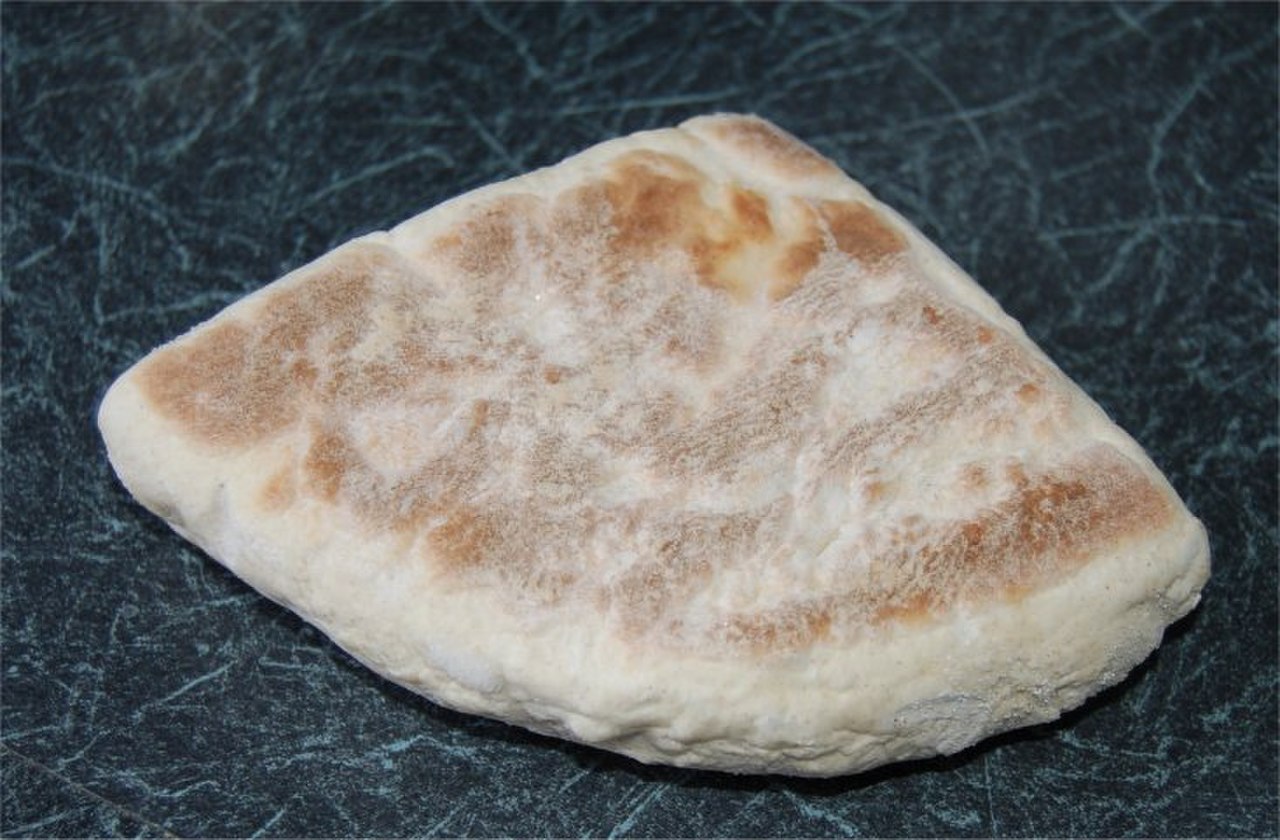
Soda bread is a type of quick bread that has gained popularity worldwide for its simplicity and delicious taste. The basic ingredients of soda bread are Flour, Baking Soda, Salt, and Buttermilk. The reaction between the lactic acid in buttermilk and the baking soda creates bubbles of carbon dioxide, giving the bread its characteristic texture. Soda bread is often associated with Irish Cuisine, but its origins and influences are more complex. To understand the rise of soda bread, it's essential to explore its History of Food and cultural context. The popularity of soda bread can be attributed to its ease of preparation, making it a staple in many Food Cultures around the world.
🌾 The History of Soda Bread
The history of soda bread dates back to the 19th century, when Sodium Bicarbonate became widely available. The use of baking soda as a leavening agent revolutionized the bread-making process, allowing for quicker and more reliable production. Soda bread was initially made with Whole Wheat Flour, which was more readily available and affordable than refined flour. The traditional recipe has been passed down through generations, with each region adding its unique twist and ingredients. The evolution of soda bread is closely tied to the History of Baking and the development of new ingredients and techniques. To learn more about the history of baking, visit our Baking page.
🍲 Ingredients and Preparation
The ingredients and preparation of soda bread are straightforward, making it accessible to bakers of all levels. The basic recipe consists of Flour, Baking Soda, Salt, and Buttermilk. The addition of Butter, Egg, Raisins, or Nuts can enhance the flavor and texture of the bread. The key to making great soda bread is to use high-quality ingredients and to not overmix the dough. Overmixing can lead to a dense and tough bread, which is why it's essential to understand the Science of Baking. For more information on the science of baking, visit our Chemistry of Baking page.
👨🍳 The Role of Buttermilk in Soda Bread
Buttermilk plays a crucial role in the preparation of soda bread, as it contains lactic acid that reacts with the baking soda to form bubbles of carbon dioxide. The acidity of buttermilk helps to break down the starches in the flour, creating a tender and moist crumb. Buttermilk Substitutes can be used in place of real buttermilk, but the results may vary. The use of buttermilk in soda bread is a testament to the importance of Dairy in Baking and the role of acidity in bread making. To learn more about the role of dairy in baking, visit our Milk in Baking page.
🌟 The Rise of Soda Bread in Popular Culture
Soda bread has become a staple in many cuisines around the world, with its popularity extending beyond Irish Cuisine. The rise of soda bread in popular culture can be attributed to its ease of preparation and its versatility. Soda bread can be served as a side dish, used as a base for sandwiches, or even as a dessert. The popularity of soda bread has also led to the creation of new Soda Bread Recipes and innovations, such as Gluten-Free Soda Bread and Vegan Soda Bread. For more information on gluten-free baking, visit our Gluten-Free Baking page.
🍴 Variations and Innovations in Soda Bread
The variations and innovations in soda bread are endless, with each region and culture adding its unique twist. Whole Wheat Soda Bread is a popular variation that uses whole wheat flour instead of refined flour. Fruit and Nut Soda Bread is another variation that adds dried fruits and nuts to the dough. The use of different ingredients and techniques has led to the creation of new and exciting soda bread recipes. To learn more about the different types of flour, visit our Types of Flour page. The evolution of soda bread is closely tied to the Evolution of Bread and the development of new ingredients and techniques.
🌎 Soda Bread Around the World
Soda bread is enjoyed in many countries around the world, with each region having its unique take on the traditional recipe. In Ireland, soda bread is a staple in many households, often served with Irish Stew or Colcannon. In the United States, soda bread is often served as a side dish, particularly during St. Patrick's Day celebrations. The global popularity of soda bread is a testament to the power of Food Culture and the ability of food to bring people together. To learn more about the cultural significance of food, visit our Food and Culture page.
🤝 The Cultural Significance of Soda Bread
The cultural significance of soda bread extends beyond its taste and nutritional value. Soda bread is often associated with Irish Heritage and is a symbol of Irish culture and tradition. The preparation and sharing of soda bread is a way of connecting with others and celebrating special occasions. The cultural significance of soda bread is closely tied to the History of Ireland and the role of food in Irish culture. To learn more about the history of Ireland, visit our History of Ireland page.
📊 The Economics of Soda Bread Production
The economics of soda bread production are complex, with many factors affecting the cost and availability of ingredients. The price of Flour and Buttermilk can fluctuate, making it challenging for bakers to maintain a consistent profit margin. The rise of Artisanal Bread and Specialty Bread has led to an increase in demand for high-quality ingredients and unique bread recipes. The economics of soda bread production are closely tied to the Economics of Food and the role of food in the global economy. To learn more about the economics of food, visit our Food Economics page.
👩🍳 Tips and Tricks for Making Soda Bread at Home
Making soda bread at home is a simple and rewarding process that requires minimal equipment and ingredients. The key to making great soda bread is to use high-quality ingredients and to not overmix the dough. Tips for Making Soda Bread include using the right type of flour, not overbaking, and adding unique ingredients to enhance the flavor and texture. The process of making soda bread is closely tied to the Science of Baking and the role of chemistry in bread making. To learn more about the science of baking, visit our Chemistry of Baking page.
📚 The Future of Soda Bread: Trends and Predictions
The future of soda bread is exciting, with new trends and innovations emerging all the time. The rise of Gluten-Free Baking and Vegan Baking has led to the creation of new and exciting soda bread recipes. The use of unique ingredients and techniques, such as Sourdough Starter and Ancient Grains, is also becoming more popular. The future of soda bread is closely tied to the Future of Food and the role of food in shaping our culture and society. To learn more about the future of food, visit our Food Trends page.
Key Facts
- Year
- 1840
- Origin
- Ireland
- Category
- Food and Culture
- Type
- Food
Frequently Asked Questions
What is soda bread?
Soda bread is a type of quick bread that uses sodium bicarbonate as a leavening agent instead of yeast. The basic ingredients of soda bread are Flour, Baking Soda, Salt, and Buttermilk. Soda bread is often associated with Irish Cuisine, but its origins and influences are more complex. To learn more about soda bread, visit our Soda Bread page.
How do you make soda bread?
Making soda bread is a simple and rewarding process that requires minimal equipment and ingredients. The key to making great soda bread is to use high-quality ingredients and to not overmix the dough. Tips for Making Soda Bread include using the right type of flour, not overbaking, and adding unique ingredients to enhance the flavor and texture. To learn more about making soda bread, visit our Making Soda Bread page.
What is the difference between soda bread and regular bread?
The main difference between soda bread and regular bread is the use of sodium bicarbonate as a leavening agent instead of yeast. Soda bread is a type of quick bread that can be prepared quickly and reliably, without requiring the time and labor needed for kneaded yeast breads. The texture and flavor of soda bread are also distinct from regular bread, with a tender and moist crumb and a slightly sour taste. To learn more about the difference between soda bread and regular bread, visit our Soda Bread vs Regular Bread page.
Can you make soda bread without buttermilk?
Yes, you can make soda bread without buttermilk. Buttermilk Substitutes can be used in place of real buttermilk, but the results may vary. The acidity of buttermilk helps to break down the starches in the flour, creating a tender and moist crumb. To learn more about buttermilk substitutes, visit our Buttermilk Substitutes page.
Is soda bread healthy?
Soda bread can be a healthy option, depending on the ingredients and preparation method. Whole wheat flour and buttermilk are nutritious ingredients that provide fiber, protein, and calcium. However, the addition of sugar, butter, and other ingredients can increase the calorie and fat content of soda bread. To learn more about the nutritional value of soda bread, visit our Nutrition page.
Can you freeze soda bread?
Yes, you can freeze soda bread. Freezing soda bread can help to preserve its texture and flavor, making it a convenient option for meal planning and preparation. To freeze soda bread, wrap it tightly in plastic wrap or aluminum foil and store it in the freezer for up to 2 months. To learn more about freezing soda bread, visit our Freezing Soda Bread page.
How do you store soda bread?
Soda bread can be stored at room temperature for up to 2 days, or frozen for up to 2 months. To store soda bread, wrap it tightly in plastic wrap or aluminum foil and keep it in a cool, dry place. To learn more about storing soda bread, visit our Storing Soda Bread page.