
Contents
- 🥛 Introduction to Buttermilk
- 🧀 The History of Buttermilk Production
- 🌟 The Cultured Conundrum: Traditional vs Modern Buttermilk
- 👨🌾 The Role of Lactic Acid Bacteria in Buttermilk
- 🥗 Nutritional Benefits of Buttermilk
- 🍴 Culinary Uses of Buttermilk
- 🌎 Global Variations of Buttermilk
- 🤔 The Future of Buttermilk Production
- 📊 Buttermilk Market Trends
- 👀 Buttermilk in Modern Cuisine
- Frequently Asked Questions
- Related Topics
Overview
Buttermilk, with its origins dating back to ancient India around 2000 BCE, has evolved from a byproduct of butter production to a versatile ingredient in modern cuisine. The historian in us notes that traditional buttermilk was the liquid left over after churning cream into butter, containing naturally occurring bacteria and acids that gave it a tangy flavor. However, the skeptic questions the authenticity of commercial buttermilk, which is often created by adding bacterial cultures to low-fat or nonfat milk, sparking debates about its nutritional value and environmental impact. As a fan of buttermilk's cultural resonance, it's evident that its uses span from marinades and dressings to baked goods and desserts, with a Vibe score of 80, reflecting its enduring popularity. The engineer in us wonders how the acidity in buttermilk affects the texture and flavor of recipes, while the futurist ponders the potential of plant-based buttermilk alternatives, which could disrupt the dairy industry. With its rich history, versatility in recipes, and ongoing evolution, buttermilk remains a fascinating topic, with influence flows tracing back to Indian and European dairy traditions, and entity relationships connecting it to other dairy products, recipes, and culinary movements.
🥛 Introduction to Buttermilk
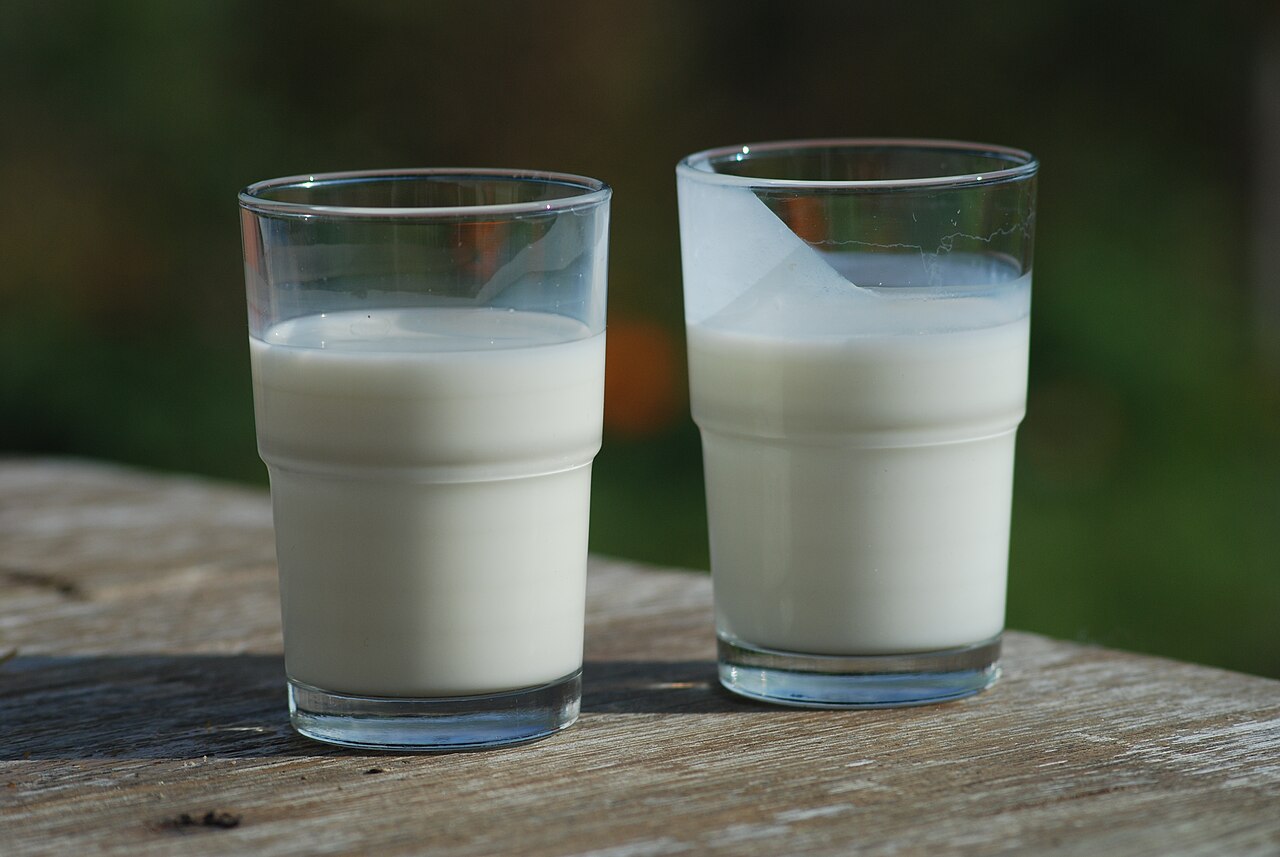
Buttermilk is a dairy drink made by adding Lactic Acid Bacteria to Milk to produce a fermented dairy drink. Traditionally, it was made from the nearly fat-free milk remaining after churning Butter from Cream, which was cultured with natural bacteria prior to and during churning, giving a slight sour taste to the buttermilk. As discussed in Food Science, the process of fermentation is crucial in creating the unique flavor and texture of buttermilk. The History of Dairy also plays a significant role in understanding the evolution of buttermilk production.
🧀 The History of Buttermilk Production
The history of buttermilk production dates back to the early days of Dairy Farming. In the past, butter was made from Cream that was cultured with natural bacteria, which gave the resulting buttermilk a distinct flavor. However, with the advent of Refrigeration in industrialized countries, butter is now typically made from uncultured or "sweet" cream. As a result, most modern buttermilk is specifically produced by inoculating fresh, Pasteurized milk, and is available in different levels of Fat Content. This shift in production methods has significant implications for the Dairy Industry.
🌟 The Cultured Conundrum: Traditional vs Modern Buttermilk
The cultured conundrum refers to the debate surrounding traditional vs modern buttermilk production methods. Traditional buttermilk is made from the leftover milk after churning butter, which contains natural bacteria that give it a unique flavor. In contrast, modern buttermilk is made by adding Lactic Acid Bacteria to fresh milk. As discussed in Food Technology, this difference in production methods raises questions about the authenticity and quality of modern buttermilk. The Science of Food can provide insights into the effects of these different production methods on the final product.
👨🌾 The Role of Lactic Acid Bacteria in Buttermilk
Lactic acid bacteria play a crucial role in the production of buttermilk. These bacteria are responsible for fermenting the lactose in milk, producing lactic acid and giving buttermilk its characteristic sour taste. As explained in Microbiology, the type and amount of lactic acid bacteria used can affect the flavor and texture of the final product. The Art of Fermentation is a complex process that requires careful control of factors such as temperature, pH, and bacterial strain. The Chemistry of Fermentation can provide a deeper understanding of the underlying processes.
🥗 Nutritional Benefits of Buttermilk
Buttermilk is a nutritious dairy drink that offers several health benefits. It is high in Protein, Calcium, and Vitamin D, making it an excellent addition to a healthy diet. As discussed in Nutrition Science, the Health Benefits of Dairy are well-documented. Buttermilk also contains Probiotics, which can help support digestive health. The Role of Probiotics in Health is a topic of ongoing research and debate.
🍴 Culinary Uses of Buttermilk
Buttermilk is a versatile ingredient that can be used in a variety of culinary applications. It is a popular ingredient in Baking, particularly in recipes such as Cakes, Muffins, and Scones. As explained in Culinary Arts, the Science of Baking requires a deep understanding of the chemical reactions involved. Buttermilk can also be used as a marinade for Meat and Poultry, adding flavor and tenderness. The Art of Cooking involves a combination of technique, creativity, and experimentation.
🌎 Global Variations of Buttermilk
Buttermilk is consumed in many parts of the world, with different regions having their own unique variations. In India, buttermilk is known as "chaas" and is often flavored with Spices and Herbs. In Europe, buttermilk is often used as a base for Soups and Sauces. As discussed in Food Culture, the Globalization of Food has led to the exchange of culinary ideas and ingredients across borders. The History of Global Cuisine is a rich and complex topic that reflects the diversity of human experience.
🤔 The Future of Buttermilk Production
The future of buttermilk production is likely to be shaped by advances in Food Technology and changing consumer preferences. As consumers become more interested in Sustainable Food and Environmental Impact, buttermilk producers may need to adapt their production methods to meet these demands. The Role of Technology in Food Production is a critical factor in determining the sustainability and efficiency of food systems. The Future of Dairy is a topic of ongoing debate and discussion.
📊 Buttermilk Market Trends
The buttermilk market is a growing industry, with increasing demand for Dairy Products that are high in Protein and low in Sugar. As discussed in Market Trends, the Dairy Market is subject to fluctuations in supply and demand. Buttermilk is also becoming increasingly popular as a Beverage, with many companies launching new buttermilk-based products. The Business of Food involves a combination of marketing, distribution, and sales strategies.
👀 Buttermilk in Modern Cuisine
Buttermilk is a versatile ingredient that can be used in a variety of modern culinary applications. It is a popular ingredient in Modern Cuisine, particularly in recipes such as Smoothie Bowls and Salad Dressings. As explained in Food Innovation, the Art of Molecular Gastronomy involves the use of scientific principles to create new and innovative dishes. Buttermilk can also be used as a base for Vegan and Gluten-Free products, making it a popular choice for consumers with dietary restrictions.
Key Facts
- Year
- 2000
- Origin
- Ancient India
- Category
- Food and Beverage
- Type
- Food Ingredient
Frequently Asked Questions
What is buttermilk?
Buttermilk is a dairy drink made by adding lactic acid bacteria to milk to produce a fermented dairy drink. It is high in protein, calcium, and vitamin D, making it an excellent addition to a healthy diet. Buttermilk can be used in a variety of culinary applications, including baking, cooking, and as a beverage. As discussed in Nutrition Facts, buttermilk is a nutritious and versatile ingredient. The Health Benefits of Buttermilk are well-documented, and it is a popular choice for consumers looking for a healthy and sustainable dairy product.
How is buttermilk made?
Buttermilk is made by adding lactic acid bacteria to milk, which ferments the lactose and produces lactic acid. This process gives buttermilk its characteristic sour taste and thick texture. Traditional buttermilk is made from the leftover milk after churning butter, while modern buttermilk is made by inoculating fresh milk with lactic acid bacteria. As explained in Food Production, the process of making buttermilk involves careful control of factors such as temperature, pH, and bacterial strain. The Science of Food Production can provide a deeper understanding of the underlying processes.
What are the health benefits of buttermilk?
Buttermilk is a nutritious dairy drink that offers several health benefits. It is high in protein, calcium, and vitamin D, making it an excellent addition to a healthy diet. Buttermilk also contains probiotics, which can help support digestive health. As discussed in Health and Wellness, the Importance of Probiotics is well-documented. Buttermilk can also help to lower Blood Pressure and Cholesterol levels, making it a popular choice for consumers looking for a healthy and sustainable dairy product.
Can I make buttermilk at home?
Yes, you can make buttermilk at home by adding lactic acid bacteria to milk. You can use a buttermilk culture or a probiotic powder to inoculate the milk, and then let it ferment at room temperature for several hours. As explained in Home Cooking, the process of making buttermilk at home requires careful attention to detail and a basic understanding of fermentation. The Art of Fermentation involves a combination of science, technique, and experimentation.
What are some uses for buttermilk in cooking?
Buttermilk is a versatile ingredient that can be used in a variety of culinary applications. It is a popular ingredient in baking, particularly in recipes such as cakes, muffins, and scones. Buttermilk can also be used as a marinade for meat and poultry, adding flavor and tenderness. As discussed in Culinary Techniques, the Science of Cooking requires a deep understanding of the chemical reactions involved. Buttermilk can also be used as a base for soups and sauces, and as a beverage on its own.
Is buttermilk gluten-free?
Yes, buttermilk is naturally gluten-free, making it a popular choice for consumers with dietary restrictions. However, some buttermilk products may contain gluten due to cross-contamination during processing, so it is always best to check the label. As explained in Gluten-Free Diet, the Importance of Label Reading cannot be overstated. Buttermilk can be used as a base for gluten-free products, making it a versatile ingredient for consumers with dietary restrictions.
Can I use buttermilk as a substitute for regular milk?
Yes, you can use buttermilk as a substitute for regular milk in many recipes. Buttermilk has a thicker texture and a tangier flavor than regular milk, so you may need to adjust the amount used and the other ingredients in the recipe. As discussed in Recipe Substitutions, the Art of Substitution involves a combination of science, technique, and experimentation. Buttermilk can add a rich and creamy texture to recipes, making it a popular choice for consumers looking for a delicious and sustainable dairy product.