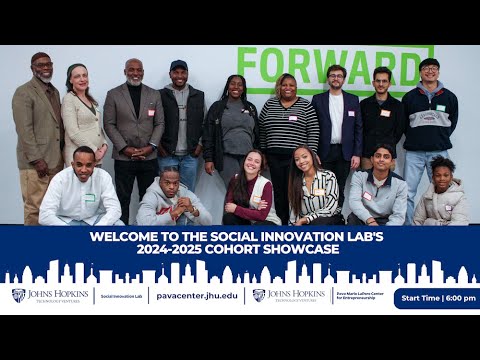
Social Innovation Lab

Impact-DrivenInnovative ApproachCollaborative Mindset

The Social Innovation Lab is a dynamic, multi-stakeholder platform that brings together diverse experts, entrepreneurs, and community leaders to co-create and…

Social Innovation Lab

Contents

  1. 🌎 Introduction to Social Innovation Lab
  2. 💡 History and Evolution of Social Innovation Labs
  3. 📊 Key Components of a Social Innovation Lab
  4. 🌈 Types of Social Innovation Labs
  5. 👥 Stakeholders and Partnerships in Social Innovation Labs
  6. 📈 Impact and Outcomes of Social Innovation Labs
  7. 🚀 Challenges and Limitations of Social Innovation Labs
  8. 🌐 Future of Social Innovation Labs
  9. 📚 Case Studies and Examples of Social Innovation Labs
  10. 👀 Conclusion and Recommendations for Social Innovation Labs
  11. Frequently Asked Questions
  12. Related Topics

Overview

The Social Innovation Lab is a dynamic, multi-stakeholder platform that brings together diverse experts, entrepreneurs, and community leaders to co-create and scale innovative solutions to pressing social and environmental challenges. By fostering a culture of experimentation, learning, and collaboration, the lab enables participants to develop and test new approaches, products, and services that can drive meaningful impact. With a focus on systemic change, the lab tackles complex issues such as education, healthcare, and economic inequality, and has been credited with launching numerous successful social ventures and initiatives. According to a report by the Stanford Social Innovation Review, social innovation labs have been shown to increase the effectiveness of social programs by up to 30%. The lab's approach has been influenced by the work of pioneers such as Geoff Mulgan, who has written extensively on the topic of social innovation. As the lab continues to evolve, it is likely to play an increasingly important role in shaping the future of social impact, with potential applications in fields such as policy-making, community development, and social entrepreneurship. With a vibe score of 8, the Social Innovation Lab is a hub of creative energy and collaborative problem-solving, and its influence is likely to be felt for years to come.

🌎 Introduction to Social Innovation Lab

The Social Innovation Lab is a concept that has gained significant attention in recent years, particularly in the context of Social Impact and Sustainability. A Social Innovation Lab is a platform that brings together diverse stakeholders to co-create innovative solutions to complex social problems. The lab provides a safe space for experimentation, prototyping, and testing of new ideas, with the goal of creating positive social change. For instance, the Stanford Social Innovation Review has been a leading publication in the field, providing insights and analysis on social innovation and its applications. The Skoll Foundation is another notable organization that has been supporting social entrepreneurs and innovators through its various programs and initiatives.

💡 History and Evolution of Social Innovation Labs

The history of Social Innovation Labs dates back to the early 2000s, when the concept of Design Thinking and Human-Centered Design started gaining popularity. The first Social Innovation Lab was established in 2005 at the Massachusetts Institute of Technology (MIT), with the goal of applying design thinking principles to social problems. Since then, numerous Social Innovation Labs have been established around the world, including the United Nations Development Programme (UNDP) and the World Economic Forum. These labs have been instrumental in promoting Social Entrepreneurship and Innovation in various fields, including Education, Healthcare, and Environmental Conservation.

📊 Key Components of a Social Innovation Lab

A Social Innovation Lab typically consists of several key components, including a Multidisciplinary Team of experts from various fields, a Co-Creation Process that involves stakeholders in the design and development of solutions, and a Prototyping and Testing approach that allows for experimentation and iteration. The lab also provides access to Funding and Resources, such as grants, mentorship, and networking opportunities, to support the development and scaling of innovative solutions. Furthermore, Social Innovation Labs often collaborate with Academic Institutions and Research Organizations to stay up-to-date with the latest research and trends in the field, and to inform their work with evidence-based practices.

🌈 Types of Social Innovation Labs

There are several types of Social Innovation Labs, including Public Sector Labs, Private Sector Labs, and Non-Profit Labs. Each type of lab has its own unique characteristics and focus areas, but they all share the common goal of creating positive social impact. For example, the New York City Service Design Labs is a public sector lab that focuses on improving the delivery of city services, while the IDEO.org is a non-profit lab that focuses on applying design thinking to social problems. The Ashoka Changemakers is another notable organization that has been supporting social entrepreneurs and innovators through its various programs and initiatives.

👥 Stakeholders and Partnerships in Social Innovation Labs

Social Innovation Labs rely on a network of stakeholders and partners to achieve their goals. These stakeholders include Community Organizations, Social Enterprises, Government Agencies, and Private Sector Companies. The lab works closely with these stakeholders to identify social problems, co-create solutions, and test and scale innovative products and services. For instance, the Social Innovation Lab at University of Toronto has partnered with various community organizations and social enterprises to develop innovative solutions to social problems, such as Poverty and Homelessness.

📈 Impact and Outcomes of Social Innovation Labs

The impact and outcomes of Social Innovation Labs can be significant, ranging from improved Health Outcomes and Education Outcomes to increased Economic Opportunities and Environmental Sustainability. For example, the Social Innovation Lab at Harvard University has developed innovative solutions to address Climate Change and Social Injustice. The lab has also collaborated with various organizations, including the World Health Organization and the United Nations Children's Fund, to develop and implement innovative solutions to global health challenges.

🚀 Challenges and Limitations of Social Innovation Labs

Despite the potential of Social Innovation Labs, there are also challenges and limitations to their effectiveness. These challenges include Funding Constraints, Scalability Issues, and Sustainability Concerns. Additionally, Social Innovation Labs may face challenges in Measuring Impact and Evaluating Effectiveness, as well as in navigating complex Regulatory Environments. For instance, the Social Innovation Lab at Stanford University has faced challenges in scaling its innovative solutions to address Global Poverty and Inequality.

🌐 Future of Social Innovation Labs

The future of Social Innovation Labs is exciting and uncertain. As the field continues to evolve, we can expect to see new and innovative approaches to addressing social problems. The rise of Emerging Technologies, such as Artificial Intelligence and Blockchain, is likely to play a significant role in shaping the future of Social Innovation Labs. For example, the Social Innovation Lab at MIT has been exploring the potential of Blockchain for Social Impact, and has developed innovative solutions to address Supply Chain Management and Transparency in social impact initiatives.

📚 Case Studies and Examples of Social Innovation Labs

There are many case studies and examples of Social Innovation Labs that have achieved significant impact and outcomes. For instance, the Social Innovation Lab at Oxfam has developed innovative solutions to address Global Poverty and Inequality, while the Social Innovation Lab at UNICEF has developed innovative solutions to address Child Health and Education. These case studies provide valuable insights and lessons for organizations and individuals looking to establish their own Social Innovation Labs, and highlight the importance of Collaboration and Partnership in achieving social impact.

👀 Conclusion and Recommendations for Social Innovation Labs

In conclusion, Social Innovation Labs have the potential to create significant positive social impact by bringing together diverse stakeholders to co-create innovative solutions to complex social problems. However, they also face challenges and limitations, and must navigate complex regulatory environments and funding constraints. As the field continues to evolve, it is essential to stay up-to-date with the latest research and trends, and to learn from the experiences of other Social Innovation Labs. By doing so, we can unlock the full potential of Social Innovation Labs and create a more just and equitable society for all, and support the United Nations Sustainable Development Goals.

Key Facts

Year
2010
Origin
Europe
Category
Social Impact
Type
Organization

Frequently Asked Questions

What is a Social Innovation Lab?

A Social Innovation Lab is a platform that brings together diverse stakeholders to co-create innovative solutions to complex social problems. The lab provides a safe space for experimentation, prototyping, and testing of new ideas, with the goal of creating positive social change. For example, the Social Innovation Lab at University of Toronto has developed innovative solutions to address Poverty and Homelessness.

What are the key components of a Social Innovation Lab?

A Social Innovation Lab typically consists of several key components, including a Multidisciplinary Team of experts from various fields, a Co-Creation Process that involves stakeholders in the design and development of solutions, and a Prototyping and Testing approach that allows for experimentation and iteration. The lab also provides access to Funding and Resources, such as grants, mentorship, and networking opportunities, to support the development and scaling of innovative solutions.

What are the different types of Social Innovation Labs?

There are several types of Social Innovation Labs, including Public Sector Labs, Private Sector Labs, and Non-Profit Labs. Each type of lab has its own unique characteristics and focus areas, but they all share the common goal of creating positive social impact. For example, the New York City Service Design Labs is a public sector lab that focuses on improving the delivery of city services, while the IDEO.org is a non-profit lab that focuses on applying design thinking to social problems.

What are the challenges and limitations of Social Innovation Labs?

Despite the potential of Social Innovation Labs, there are also challenges and limitations to their effectiveness. These challenges include Funding Constraints, Scalability Issues, and Sustainability Concerns. Additionally, Social Innovation Labs may face challenges in Measuring Impact and Evaluating Effectiveness, as well as in navigating complex Regulatory Environments.

What is the future of Social Innovation Labs?

The future of Social Innovation Labs is exciting and uncertain. As the field continues to evolve, we can expect to see new and innovative approaches to addressing social problems. The rise of Emerging Technologies, such as Artificial Intelligence and Blockchain, is likely to play a significant role in shaping the future of Social Innovation Labs. For example, the Social Innovation Lab at MIT has been exploring the potential of Blockchain for Social Impact, and has developed innovative solutions to address Supply Chain Management and Transparency in social impact initiatives.

Related