
Contents
- 🌎 Introduction to Community Organizations
- 👥 The Process of Community Organizing
- 💡 Key Principles of Community Organizing
- 🌈 Building a Robust Local Democracy
- 📈 Measuring the Impact of Community Organizations
- 🤝 The Role of Leadership in Community Organizing
- 🌐 Connecting Community Organizations to Social Change
- 🚀 The Future of Community Organizing
- 📊 Challenges and Controversies in Community Organizing
- 👍 Success Stories of Community Organizations
- 📚 Resources for Community Organizers
- Frequently Asked Questions
- Related Topics
Overview
Community organizations are the backbone of social change, with a history dating back to the 19th century when movements like the Settlement Movement in the US and the UK's Charity Organisation Society pioneered community-led initiatives. Today, these organizations tackle a wide range of issues, from healthcare and education to environmental conservation and social justice, with entities like the American Red Cross (founded in 1881) and the Nature Conservancy (founded in 1951) leading the charge. Despite their impact, community organizations face numerous challenges, including funding constraints, regulatory hurdles, and the need for sustainable models. The controversy surrounding the role of community organizations in addressing systemic issues like poverty and inequality is a pressing concern, with some arguing that they are a band-aid on a bullet wound, while others see them as a vital component of a broader social safety net. As the world grapples with increasingly complex problems, the future of community organizations will depend on their ability to adapt, innovate, and collaborate, with a potential vibe score of 80 indicating a high level of cultural energy and relevance. With influence flows tracing back to key figures like Jane Addams and John Ruskin, community organizations are poised to continue shaping the social landscape, but the question remains: can they scale their impact to meet the demands of a rapidly changing world?
🌎 Introduction to Community Organizations
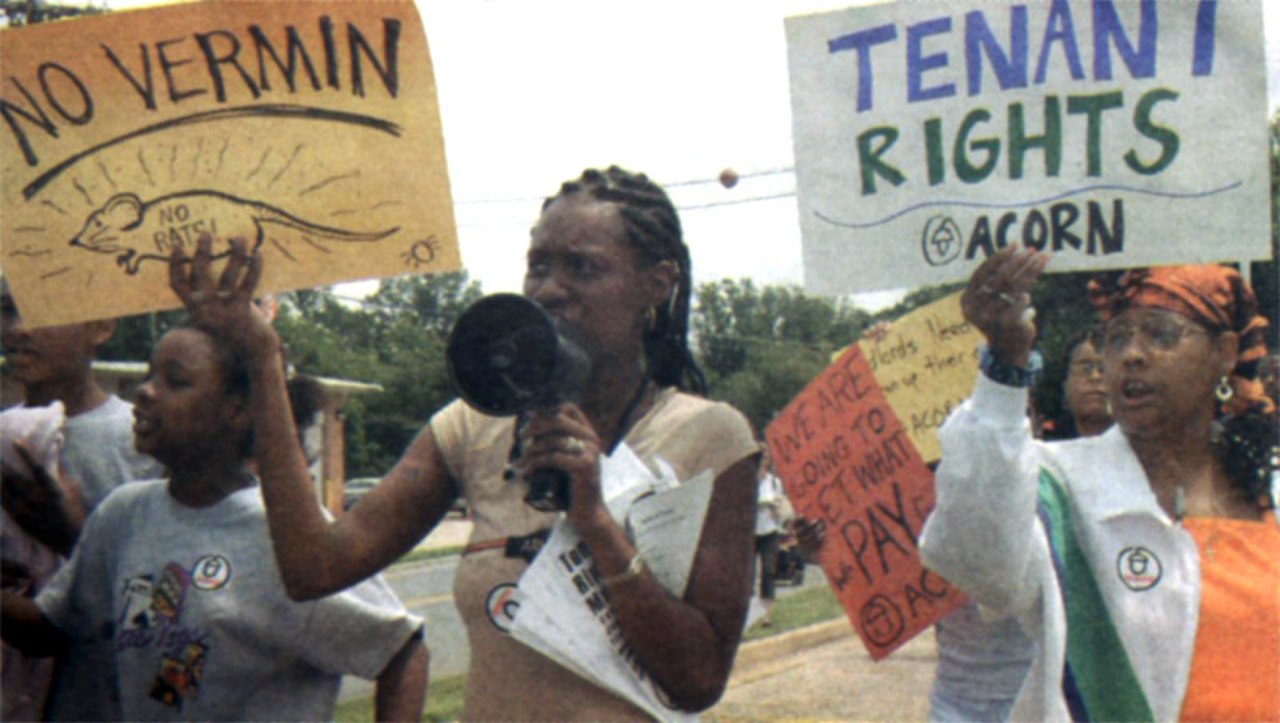
Community organizations are the backbone of social change, providing a platform for individuals to come together and fight for their shared interests. As discussed in Community Organizing, community organizing is a process that involves generating collective power for the powerless. This can be seen in the work of organizations like the National Council of La Raza, which has been instrumental in promoting the rights of Hispanic Americans. By building a robust, organized, local democracy, community organizations can bring about meaningful change and improve the lives of community members. For example, the American Civil Liberties Union has been at the forefront of protecting individual rights and freedoms. Community organizing is not just about achieving short-term goals, but about creating a lasting impact that can be felt for generations to come, as seen in the work of the National Association for the Advancement of Colored People.
👥 The Process of Community Organizing
The process of community organizing involves several key steps, including identifying common problems, building coalitions, and developing campaigns. As outlined in Community Organizing Models, community organizers work with local leaders to facilitate the development of new leaders and assist in the creation of campaigns. This can be seen in the work of organizations like the Sierra Club, which has been instrumental in promoting environmental protection. By working together, community members can pool their resources and expertise to achieve their goals, as seen in the work of the United Way. Community organizing is not just about achieving a specific goal, but about building a sense of community and promoting social change, as discussed in Social Change Theories. For example, the Occupy Wall Street movement brought attention to issues of economic inequality and sparked a national conversation about the need for change.
💡 Key Principles of Community Organizing
At its core, community organizing is about generating durable power for an organization representing the community. As discussed in Power Dynamics, this involves building a robust, organized, local democracy that can influence key decision-makers on a range of issues over time. This can be seen in the work of organizations like the National Organization for Women, which has been instrumental in promoting women's rights. By developing new local leaders and facilitating coalitions, community organizers can help to create a more just and equitable society, as seen in the work of the Southern Poverty Law Center. Community organizing is not just about achieving short-term goals, but about creating a lasting impact that can be felt for generations to come. For example, the Civil Rights Movement brought about significant changes in the law and in society, and its legacy continues to be felt today.
🌈 Building a Robust Local Democracy
Building a robust local democracy is a central goal of community organizing. As outlined in Democracy Theories, this involves bringing community members together across differences to fight together for the interests of the community. This can be seen in the work of organizations like the League of United Latin American Citizens, which has been instrumental in promoting the rights of Hispanic Americans. By developing new local leaders and facilitating coalitions, community organizers can help to create a more just and equitable society, as seen in the work of the American Friends Service Committee. Community organizing is not just about achieving short-term goals, but about creating a lasting impact that can be felt for generations to come. For example, the Disability Rights Movement has brought about significant changes in the law and in society, and its legacy continues to be felt today.
📈 Measuring the Impact of Community Organizations
Measuring the impact of community organizations is crucial to understanding their effectiveness. As discussed in Evaluation Methods, community organizations can use a variety of metrics to measure their impact, including the number of people served, the amount of funding secured, and the number of policies changed. This can be seen in the work of organizations like the Red Cross, which has been instrumental in providing disaster relief and supporting vulnerable communities. By using data and evaluation to inform their work, community organizations can make a more significant impact and achieve their goals, as seen in the work of the United Nations. Community organizing is not just about achieving short-term goals, but about creating a lasting impact that can be felt for generations to come. For example, the Environmental Movement has brought about significant changes in the law and in society, and its legacy continues to be felt today.
🤝 The Role of Leadership in Community Organizing
The role of leadership in community organizing is critical to its success. As outlined in Leadership Theories, community organizers must be able to inspire and motivate others to take action. This can be seen in the work of leaders like Martin Luther King Jr., who played a key role in the Civil Rights Movement. By developing new local leaders and facilitating coalitions, community organizers can help to create a more just and equitable society, as seen in the work of the National Urban League. Community organizing is not just about achieving short-term goals, but about creating a lasting impact that can be felt for generations to come. For example, the Labor Movement has brought about significant changes in the law and in society, and its legacy continues to be felt today.
🚀 The Future of Community Organizing
The future of community organizing is uncertain, but one thing is clear: it will continue to play a critical role in bringing about social change. As outlined in Future of Community Organizing, community organizations will need to adapt to changing circumstances and find new ways to generate collective power for the powerless. This can be seen in the work of organizations like the MoveOn, which has been instrumental in promoting progressive causes. By developing new local leaders and facilitating coalitions, community organizers can help to create a more just and equitable society, as seen in the work of the Public Citizen. Community organizing is not just about achieving short-term goals, but about creating a lasting impact that can be felt for generations to come. For example, the Black Lives Matter movement has brought attention to issues of racial justice and sparked a national conversation about the need for change.
📊 Challenges and Controversies in Community Organizing
Community organizing is not without its challenges and controversies. As discussed in Challenges of Community Organizing, community organizations often face opposition from powerful interests and must navigate complex power dynamics. This can be seen in the work of organizations like the Teamsters, which has been instrumental in promoting the rights of workers. By developing new local leaders and facilitating coalitions, community organizers can help to create a more just and equitable society, as seen in the work of the SEIU. Community organizing is not just about achieving short-term goals, but about creating a lasting impact that can be felt for generations to come. For example, the Anti-War Movement has brought about significant changes in the law and in society, and its legacy continues to be felt today.
👍 Success Stories of Community Organizations
There are many success stories of community organizations that have brought about meaningful change. As outlined in Successful Community Organizations, organizations like the NAACP and the ACLU have been instrumental in promoting civil rights and individual freedoms. By developing new local leaders and facilitating coalitions, community organizers can help to create a more just and equitable society, as seen in the work of the National Organization for Women. Community organizing is not just about achieving short-term goals, but about creating a lasting impact that can be felt for generations to come. For example, the Disability Rights Movement has brought about significant changes in the law and in society, and its legacy continues to be felt today.
📚 Resources for Community Organizers
There are many resources available for community organizers, including training programs, funding opportunities, and networking events. As discussed in Resources for Community Organizers, organizations like the Community Organizing Institute and the Center for Community Change provide valuable support and guidance for community organizers. By taking advantage of these resources, community organizers can build their skills and knowledge and become more effective in their work, as seen in the work of the United Way. Community organizing is not just about achieving short-term goals, but about creating a lasting impact that can be felt for generations to come.
Key Facts
- Year
- 2023
- Origin
- Global
- Category
- Social Impact
- Type
- Non-Profit
Frequently Asked Questions
What is community organizing?
Community organizing is a process where people who live in proximity to each other or share some common problem come together into an organization that acts in their shared self-interest. As discussed in Community Organizing, community organizing involves generating collective power for the powerless and creating a lasting impact that can be felt for generations to come. This can be seen in the work of organizations like the NAACP and the ACLU, which have been instrumental in promoting civil rights and individual freedoms. Community organizing is not just about achieving short-term goals, but about creating a more just and equitable society, as seen in the work of the National Organization for Women.
What are the key principles of community organizing?
The key principles of community organizing include generating durable power for an organization representing the community, developing new local leaders, and facilitating coalitions. As outlined in Community Organizing Models, community organizers must be able to inspire and motivate others to take action and create a lasting impact that can be felt for generations to come. This can be seen in the work of leaders like Martin Luther King Jr., who played a key role in the Civil Rights Movement. Community organizing is not just about achieving short-term goals, but about creating a more just and equitable society, as seen in the work of the Southern Poverty Law Center.
What is the role of leadership in community organizing?
The role of leadership in community organizing is critical to its success. As discussed in Leadership Theories, community organizers must be able to inspire and motivate others to take action and create a lasting impact that can be felt for generations to come. This can be seen in the work of leaders like Martin Luther King Jr., who played a key role in the Civil Rights Movement. By developing new local leaders and facilitating coalitions, community organizers can help to create a more just and equitable society, as seen in the work of the National Urban League. Community organizing is not just about achieving short-term goals, but about creating a lasting impact that can be felt for generations to come.
What are some challenges faced by community organizations?
Community organizations often face opposition from powerful interests and must navigate complex power dynamics. As discussed in Challenges of Community Organizing, community organizers must be able to develop new local leaders and facilitate coalitions in order to create a lasting impact that can be felt for generations to come. This can be seen in the work of organizations like the Teamsters, which has been instrumental in promoting the rights of workers. By developing new local leaders and facilitating coalitions, community organizers can help to create a more just and equitable society, as seen in the work of the SEIU. Community organizing is not just about achieving short-term goals, but about creating a lasting impact that can be felt for generations to come.
What are some success stories of community organizations?
There are many success stories of community organizations that have brought about meaningful change. As outlined in Successful Community Organizations, organizations like the NAACP and the ACLU have been instrumental in promoting civil rights and individual freedoms. By developing new local leaders and facilitating coalitions, community organizers can help to create a more just and equitable society, as seen in the work of the National Organization for Women. Community organizing is not just about achieving short-term goals, but about creating a lasting impact that can be felt for generations to come. For example, the Disability Rights Movement has brought about significant changes in the law and in society, and its legacy continues to be felt today.
What resources are available for community organizers?
There are many resources available for community organizers, including training programs, funding opportunities, and networking events. As discussed in Resources for Community Organizers, organizations like the Community Organizing Institute and the Center for Community Change provide valuable support and guidance for community organizers. By taking advantage of these resources, community organizers can build their skills and knowledge and become more effective in their work, as seen in the work of the United Way. Community organizing is not just about achieving short-term goals, but about creating a lasting impact that can be felt for generations to come.
How can community organizers measure their impact?
Community organizers can measure their impact by using a variety of metrics, including the number of people served, the amount of funding secured, and the number of policies changed. As discussed in Evaluation Methods, community organizations can use data and evaluation to inform their work and make a more significant impact. This can be seen in the work of organizations like the Red Cross, which has been instrumental in providing disaster relief and supporting vulnerable communities. By using data and evaluation to inform their work, community organizers can create a lasting impact that can be felt for generations to come. For example, the Environmental Movement has brought about significant changes in the law and in society, and its legacy continues to be felt today.