
Contents
- 🌿 Introduction to Roof Gardens
- 🏙️ History of Roof Gardens
- 🌸 Benefits of Roof Gardens
- 🌱 Types of Roof Gardens
- 🌿 Rooftop Farming: A New Era
- 🌻 Designing a Roof Garden
- 🏗️ Engineering and Maintenance
- 🌟 Case Studies: Successful Roof Gardens
- 🌎 Global Impact of Roof Gardens
- 💡 Future of Roof Gardens
- 🤝 Community Engagement and Education
- 📊 Economic Benefits of Roof Gardens
- Frequently Asked Questions
- Related Topics
Overview
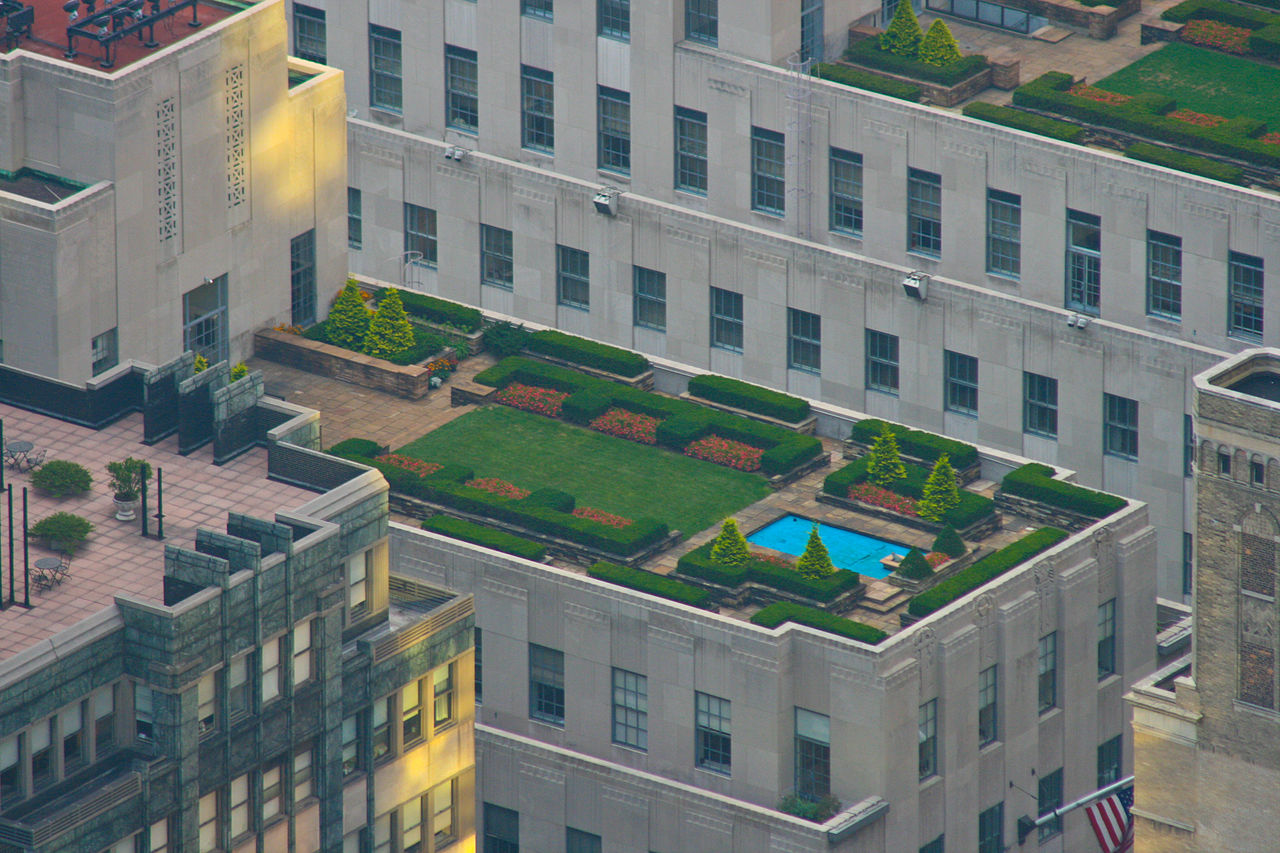
Roof gardens, with a history dating back to the Hanging Gardens of Babylon around 600 BC, have become a staple of modern urban planning, offering a unique blend of aesthetic appeal, environmental benefits, and community spaces. The concept has been influenced by various cultures, including the Japanese tradition of rooftop gardening and the European Renaissance's emphasis on ornate garden design. Today, cities like Singapore and New York are incorporating roof gardens into their skylines, with notable examples such as the Gardens by the Bay and the High Line. These urban oases not only provide habitats for local wildlife but also help mitigate the urban heat island effect, with some studies suggesting a reduction of up to 25% in energy consumption. As the world becomes increasingly urbanized, the importance of roof gardens will only continue to grow, with potential applications in everything from residential complexes to commercial skyscrapers. With a vibe score of 8, indicating a high level of cultural energy, roof gardens are poised to play a significant role in shaping the future of urban design, with innovators like Patrick Blanc and his pioneering work on vertical gardens pushing the boundaries of what is possible.
🌿 Introduction to Roof Gardens
The concept of roof gardens has been around for centuries, with ancient civilizations such as the Babylonians and Egyptians incorporating green spaces into their architecture. Today, roof gardens are becoming increasingly popular in urban areas, providing a tranquil oasis amidst the hustle and bustle of city life. Not only do they offer aesthetic benefits, but they also provide numerous environmental advantages, including air pollution reduction and urban heat island mitigation. As the world becomes more urbanized, the importance of roof gardens in maintaining a healthy and sustainable environment cannot be overstated. For instance, the New York City High Line, a former elevated rail line turned park, has become a model for urban renewal and sustainable development.
🏙️ History of Roof Gardens
The history of roof gardens dates back to ancient times, with evidence of rooftop gardens found in the ruins of Mesopotamia and Greece. These early roof gardens were often used for food production and recreational purposes. In modern times, the concept of roof gardens has evolved to incorporate a wide range of benefits, including energy efficiency and stormwater management. The Chicago City Hall roof garden, completed in 2001, is a notable example of a modern roof garden, featuring over 20,000 plants and a green roof system. As the field of sustainable architecture continues to grow, the importance of incorporating roof gardens into building design will only continue to increase. The US Green Building Council has recognized the benefits of roof gardens, offering LEED certification for buildings that incorporate green roofs and walls.
🌸 Benefits of Roof Gardens
Roof gardens offer a multitude of benefits, from air quality improvement to mental health advantages. They can also provide a habitat for urban wildlife, such as birds and bees, and help to reduce the urban heat island effect. Additionally, roof gardens can be used for food production, providing fresh produce to local communities and reducing the need for industrial agriculture. The rooftop farming movement is gaining momentum, with cities like Tokyo and New York City leading the way. The Brooklyn Grange, a rooftop farm in New York City, is a prime example of the potential for rooftop farming to provide fresh produce to urban communities.
🌱 Types of Roof Gardens
There are several types of roof gardens, including intensive green roofs, extensive green roofs, and semi-intensive green roofs. Intensive green roofs are thick and heavy, requiring significant structural support, while extensive green roofs are thinner and lighter, making them ideal for smaller buildings. Semi-intensive green roofs fall somewhere in between, offering a balance between the two. The green roof system is a key component of many roof gardens, providing insulation, reducing stormwater runoff, and creating a habitat for wildlife. The National Park Service has implemented green roof systems in several of its buildings, including the Thomas Jefferson Memorial in Washington D.C..
🌿 Rooftop Farming: A New Era
Rooftop farming is a relatively new concept, but it is quickly gaining popularity. Using hydroponics, aeroponics, or air dynamics systems, rooftop farmers can grow a wide range of crops, from leafy greens to fruits and vegetables. The benefits of rooftop farming are numerous, including reduced transportation costs, increased food security, and improved air quality. The rooftop farming movement is not without its challenges, however, including high startup costs and limited access to funding. The USDA has recognized the potential of rooftop farming, offering grants and loans to support the development of urban agriculture.
🌻 Designing a Roof Garden
Designing a roof garden requires careful consideration of several factors, including climate, soil type, and structural integrity. The American Society of Landscape Architects recommends that roof gardens be designed with a stormwater management system, to reduce the risk of water damage and erosion. Additionally, roof gardens should be designed with accessibility in mind, providing easy access for maintenance and recreational activities. The New York City Department of Parks and Recreation has developed a set of guidelines for designing and maintaining roof gardens, including recommendations for plant selection and irrigation systems.
🏗️ Engineering and Maintenance
The engineering and maintenance of roof gardens require specialized knowledge and equipment. Green roof systems, for example, require regular irrigation and fertilization to maintain optimal plant health. Additionally, roof gardens must be designed with drainage in mind, to prevent water accumulation and structural damage. The National Roofing Contractors Association has developed a set of guidelines for the installation and maintenance of green roof systems, including recommendations for roof inspection and repair.
🌟 Case Studies: Successful Roof Gardens
There are many successful roof gardens around the world, each with its own unique characteristics and benefits. The High Line in New York City, for example, is a former elevated rail line turned park, featuring a wide range of plant species and public art installations. The Rooftop Garden of the Chicago City Hall is another notable example, featuring over 20,000 plants and a green roof system. The Sydney Olympic Park in Sydney, Australia, is a prime example of a large-scale roof garden, featuring a variety of native plant species and a stormwater management system.
🌎 Global Impact of Roof Gardens
The global impact of roof gardens is significant, with the potential to reduce urban pollution, improve air quality, and provide food security for urban communities. As the world becomes more urbanized, the importance of roof gardens in maintaining a healthy and sustainable environment will only continue to grow. The United Nations has recognized the potential of roof gardens, including them in its Sustainable Development Goals. The World Health Organization has also recognized the benefits of roof gardens, recommending that cities incorporate green spaces into their urban planning.
💡 Future of Roof Gardens
The future of roof gardens is bright, with new technologies and innovations emerging all the time. From vertical farming to urban agriculture, the possibilities for roof gardens are endless. As the world becomes more sustainable and environmentally conscious, the demand for roof gardens will only continue to grow. The National Institute of Food and Agriculture has recognized the potential of roof gardens, offering grants and funding for research and development. The US EPA has also recognized the benefits of roof gardens, providing guidance and resources for communities looking to implement green infrastructure.
🤝 Community Engagement and Education
Community engagement and education are key components of successful roof gardens. By involving local communities in the design and maintenance of roof gardens, cities can promote community building and social cohesion. The New York City Department of Parks and Recreation has developed a community engagement program for its roof gardens, including workshops and training sessions for local residents. The Chicago Botanic Garden has also developed a community engagement program, offering classes and workshops on gardening and sustainable living.
📊 Economic Benefits of Roof Gardens
The economic benefits of roof gardens are numerous, from reduced energy costs to increased property values. By incorporating roof gardens into building design, cities can promote sustainable development and reduce the urban heat island effect. The US Green Building Council has recognized the economic benefits of roof gardens, offering LEED certification for buildings that incorporate green roofs and walls. The National Association of Realtors has also recognized the economic benefits of roof gardens, recommending that homeowners and builders incorporate green features into their properties.
Key Facts
- Year
- 2023
- Origin
- Babylon, present-day Iraq
- Category
- Sustainable Architecture
- Type
- Architectural Feature
Frequently Asked Questions
What are the benefits of roof gardens?
Roof gardens offer a multitude of benefits, from air quality improvement to mental health advantages. They can also provide a habitat for urban wildlife, such as birds and bees, and help to reduce the urban heat island effect. Additionally, roof gardens can be used for food production, providing fresh produce to local communities and reducing the need for industrial agriculture.
How do I design a roof garden?
Designing a roof garden requires careful consideration of several factors, including climate, soil type, and structural integrity. The American Society of Landscape Architects recommends that roof gardens be designed with a stormwater management system, to reduce the risk of water damage and erosion. Additionally, roof gardens should be designed with accessibility in mind, providing easy access for maintenance and recreational activities.
What are the different types of roof gardens?
There are several types of roof gardens, including intensive green roofs, extensive green roofs, and semi-intensive green roofs. Intensive green roofs are thick and heavy, requiring significant structural support, while extensive green roofs are thinner and lighter, making them ideal for smaller buildings. Semi-intensive green roofs fall somewhere in between, offering a balance between the two.
How do I maintain a roof garden?
The maintenance of a roof garden requires regular irrigation and fertilization to maintain optimal plant health. Additionally, roof gardens must be designed with drainage in mind, to prevent water accumulation and structural damage. The National Roofing Contractors Association has developed a set of guidelines for the installation and maintenance of green roof systems, including recommendations for roof inspection and repair.
What are the economic benefits of roof gardens?
The economic benefits of roof gardens are numerous, from reduced energy costs to increased property values. By incorporating roof gardens into building design, cities can promote sustainable development and reduce the urban heat island effect. The US Green Building Council has recognized the economic benefits of roof gardens, offering LEED certification for buildings that incorporate green roofs and walls.
How can I get involved in rooftop farming?
There are many ways to get involved in rooftop farming, from volunteering at a local community garden to starting your own rooftop farm. The rooftop farming movement is growing rapidly, with new opportunities emerging all the time. The National Institute of Food and Agriculture has recognized the potential of rooftop farming, offering grants and funding for research and development.
What are the environmental benefits of roof gardens?
The environmental benefits of roof gardens are numerous, from reduced urban pollution to improved air quality. Roof gardens can also provide a habitat for urban wildlife, such as birds and bees, and help to reduce the urban heat island effect. Additionally, roof gardens can be used for food production, providing fresh produce to local communities and reducing the need for industrial agriculture.