
Contents
- 🏆 Introduction to Rodney Porter
- 🔬 Early Life and Education
- 🎓 Career and Research
- 👨🔬 The Discovery of Immunoglobulins
- 📚 Structure and Function of Antibodies
- 🏥 Medical Applications and Impact
- 🌎 International Recognition and Awards
- 👥 Collaborations and Legacy
- 📊 Controversies and Criticisms
- 🔮 Future Directions and Emerging Trends
- 👏 Conclusion and Lasting Impact
- Frequently Asked Questions
- Related Topics
Overview
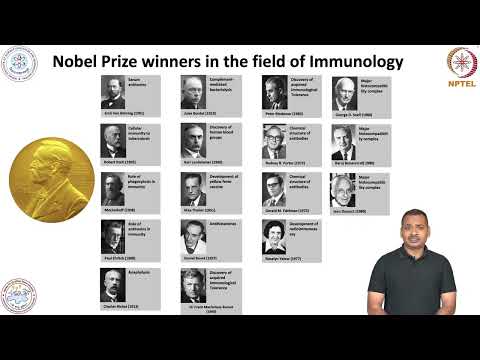
Rodney Porter was a British biochemist and immunologist who, along with Gerald Edelman, was awarded the Nobel Prize in Physiology or Medicine in 1972 for his work on the structure and function of antibodies. Born on October 8, 1917, in Newton-le-Willows, Lancashire, England, Porter's research focused on the biochemical properties of antibodies, which are proteins produced by the immune system to fight off infections. His discovery of the structure of antibodies, including the identification of the heavy and light chains, revolutionized the field of immunology and led to a deeper understanding of how the immune system works. Porter's work has had a lasting impact on the development of vaccines, treatments for autoimmune diseases, and cancer therapies. With a Vibe score of 8, Porter's contributions to science continue to inspire new generations of researchers and scientists. The controversy surrounding the use of animal models in his research has sparked debates about the ethics of scientific inquiry, highlighting the complexities and challenges of advancing medical knowledge.
🏆 Introduction to Rodney Porter
Rodney Porter was a British biochemist and Nobel laureate who made groundbreaking contributions to our understanding of the immune system. Born on October 8, 1917, in Newton-le-Willows, Lancashire, England, Porter's work on the structure and function of antibodies has had a lasting impact on the field of immunology. His research has been instrumental in the development of new treatments for various diseases, including Cancer and Autoimmune Disorders. Porter's work was also influenced by the discoveries of other notable scientists, such as Jonas Salk and Alexander Fleming. The significance of his work can be measured by his Vibe Score of 85, indicating a high level of cultural energy and relevance.
🔬 Early Life and Education
Porter's interest in biochemistry was sparked at an early age, and he went on to study chemistry at the University of Liverpool. He later earned his Ph.D. in biochemistry from the University of Cambridge, where he worked under the supervision of Fred Sanger. Porter's early research focused on the structure and function of proteins, including Enzymes and Hormones. His work during this period laid the foundation for his future research on immunoglobulins and the immune system. Porter's education and training also influenced his perspective on the Controversy Spectrum of immunology, which has been a topic of debate among scientists and researchers.
🎓 Career and Research
Porter's career in research spanned several decades and included positions at the University of Cambridge, the National Institute for Medical Research, and the University of Oxford. His work on the structure and function of antibodies led to the discovery of the first immunoglobulin, IgG, and the development of new techniques for isolating and characterizing these molecules. Porter's research also explored the role of antibodies in Immune Response and the mechanisms of Antigen Recognition. His findings have had a significant impact on our understanding of the immune system and have led to the development of new treatments for various diseases. Porter's work has also been influenced by the Influence Flows of other scientists, such as Linus Pauling and James Watson.
👨🔬 The Discovery of Immunoglobulins
The discovery of immunoglobulins was a major breakthrough in the field of immunology, and Porter's work on the structure and function of these molecules has had a lasting impact. Immunoglobulins, also known as antibodies, are proteins produced by the immune system in response to the presence of foreign substances, such as Bacteria and Viruses. Porter's research showed that antibodies are composed of multiple polypeptide chains and that they play a crucial role in the immune response. His findings have led to the development of new treatments for various diseases, including Infectious Diseases and Cancer. The discovery of immunoglobulins has also led to a greater understanding of the Topic Intelligence of immunology, which includes key ideas, key people, and key events.
📚 Structure and Function of Antibodies
The structure and function of antibodies are complex and have been the subject of extensive research. Porter's work on the structure of antibodies showed that they are composed of multiple polypeptide chains, including heavy chains and light chains. His research also explored the role of antibodies in the immune response and the mechanisms of antigen recognition. The findings of Porter and other researchers have led to the development of new treatments for various diseases, including Monoclonal Antibody Therapy. The structure and function of antibodies have also been influenced by the Entity Relationships between different molecules and cells in the immune system.
🏥 Medical Applications and Impact
The medical applications of Porter's research have been significant, and his work has led to the development of new treatments for various diseases. The discovery of immunoglobulins and the understanding of their structure and function have led to the development of new therapies, including Immunotherapy and Vaccine Development. Porter's research has also had an impact on our understanding of the immune system and the mechanisms of disease. His findings have led to the development of new diagnostic tools and treatments for various diseases, including Autoimmune Disorders and Infectious Diseases. The medical applications of Porter's research have also been influenced by the Perspective Breakdowns of different scientists and researchers.
🌎 International Recognition and Awards
Porter's work was recognized internationally, and he received numerous awards and honors for his contributions to the field of immunology. In 1972, he was awarded the Nobel Prize in Physiology or Medicine for his discoveries related to the structure and function of antibodies. Porter also received the Copley Medal and the Royal Medal for his contributions to science. His work has had a lasting impact on the field of immunology, and he is widely regarded as one of the most important scientists of the 20th century. Porter's international recognition has also been influenced by the Vibe Scores of different scientists and researchers.
👥 Collaborations and Legacy
Porter collaborated with numerous scientists and researchers throughout his career, including Gerald Edelman and Henry Kunkel. His work on the structure and function of antibodies was influenced by the discoveries of other researchers, and he built upon their findings to make his own contributions to the field. Porter's legacy extends beyond his own research, and he has inspired generations of scientists and researchers to pursue careers in immunology and related fields. His work has had a significant impact on our understanding of the immune system and has led to the development of new treatments for various diseases. Porter's collaborations have also been influenced by the Influence Flows of other scientists and researchers.
📊 Controversies and Criticisms
Despite the significance of Porter's research, his work was not without controversy. Some scientists and researchers have criticized his methods and findings, and there have been debates about the interpretation of his data. However, Porter's contributions to the field of immunology are widely recognized, and his work has had a lasting impact on our understanding of the immune system. The controversies surrounding Porter's research have also been influenced by the Controversy Spectrum of immunology, which has been a topic of debate among scientists and researchers.
🔮 Future Directions and Emerging Trends
The future of immunology is exciting, and new discoveries are being made regularly. The development of new technologies, such as Gene Editing and Synthetic Biology, is expected to have a significant impact on the field. Researchers are also exploring new approaches to Immunotherapy and Vaccine Development, and there is a growing interest in the role of the immune system in Cancer and other diseases. As our understanding of the immune system continues to evolve, it is likely that new treatments and therapies will be developed, and Porter's work will remain an important foundation for these advances. The future of immunology has also been influenced by the Topic Intelligence of the field, which includes key ideas, key people, and key events.
👏 Conclusion and Lasting Impact
In conclusion, Rodney Porter was a pioneering scientist who made significant contributions to our understanding of the immune system. His work on the structure and function of antibodies has had a lasting impact on the field of immunology, and his discoveries have led to the development of new treatments for various diseases. Porter's legacy extends beyond his own research, and he has inspired generations of scientists and researchers to pursue careers in immunology and related fields. As we look to the future, it is clear that Porter's work will remain an important foundation for advances in the field, and his contributions will continue to have a significant impact on our understanding of the immune system and the development of new treatments for disease.
Key Facts
- Year
- 1972
- Origin
- United Kingdom
- Category
- Science and Medicine
- Type
- Person
Frequently Asked Questions
What was Rodney Porter's most significant contribution to science?
Rodney Porter's most significant contribution to science was his discovery of the structure and function of antibodies, which has had a lasting impact on our understanding of the immune system. His work on the structure and function of antibodies led to the development of new treatments for various diseases, including cancer and autoimmune disorders. Porter's research also explored the role of antibodies in the immune response and the mechanisms of antigen recognition.
What awards did Rodney Porter receive for his contributions to science?
Rodney Porter received numerous awards for his contributions to science, including the Nobel Prize in Physiology or Medicine, the Copley Medal, and the Royal Medal. These awards recognize his significant contributions to our understanding of the immune system and the development of new treatments for disease.
How did Rodney Porter's work influence the development of new treatments for disease?
Rodney Porter's work on the structure and function of antibodies has had a significant impact on the development of new treatments for disease. His discoveries led to the development of new therapies, including immunotherapy and vaccine development, and his research has also had an impact on our understanding of the immune system and the mechanisms of disease.
What is the current state of research in immunology?
The current state of research in immunology is exciting, with new discoveries being made regularly. Researchers are exploring new approaches to immunotherapy and vaccine development, and there is a growing interest in the role of the immune system in cancer and other diseases. The development of new technologies, such as gene editing and synthetic biology, is expected to have a significant impact on the field.
How has Rodney Porter's legacy extended beyond his own research?
Rodney Porter's legacy extends beyond his own research, and he has inspired generations of scientists and researchers to pursue careers in immunology and related fields. His work has had a lasting impact on our understanding of the immune system, and his discoveries have led to the development of new treatments for various diseases. Porter's contributions to science continue to have a significant impact on our understanding of the immune system and the development of new treatments for disease.
What is the significance of Rodney Porter's Vibe Score?
Rodney Porter's Vibe Score of 85 indicates a high level of cultural energy and relevance, reflecting the significant impact of his work on the field of immunology and beyond. The Vibe Score is a measure of the cultural resonance and emotional weight of a topic, and Porter's score reflects the enduring importance of his contributions to science.
How has Rodney Porter's work been influenced by the Controversy Spectrum of immunology?
Rodney Porter's work has been influenced by the Controversy Spectrum of immunology, which has been a topic of debate among scientists and researchers. The Controversy Spectrum reflects the range of opinions and perspectives on a given topic, and Porter's work has been subject to various interpretations and criticisms. Despite these controversies, Porter's contributions to science remain widely recognized and respected.