
Contents
- 📚 Introduction to Richard Sennett
- 💼 The Sociologist of Craft
- 🤝 Cooperation and Social Bonds
- 📊 The Craftsman: A Book Review
- 🌐 Globalization and Its Discontents
- 🏙️ Urban Sociology and Design
- 📈 The Role of Craft in Economic Development
- 🤝 Cooperation and Social Capital
- 📚 Sennett's Influence on Contemporary Sociology
- 🌟 Critiques and Controversies
- 🔮 Future Directions in Sennett's Work
- Frequently Asked Questions
- Related Topics
Overview
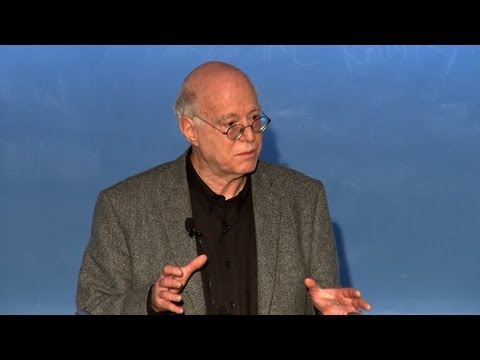
Richard Sennett is a renowned sociologist and philosopher known for his work on the intersection of labor, identity, and urban life. His writings have spanned over five decades, with notable works including 'The Craftsman' (2008) and 'Together: The Rituals, Pleasures and Politics of Cooperation' (2012). Sennett's research has focused on the ways in which people work, interact, and cooperate with one another, often highlighting the tension between individualism and collective action. His concept of 'craftsmanship' has been particularly influential, emphasizing the importance of skill, practice, and material engagement in shaping our sense of self and community. With a Vibe score of 8, Sennett's work has resonated with scholars and practitioners across disciplines, from urban planning to organizational theory. As we look to the future, Sennett's ideas on cooperation, craft, and civic engagement will likely continue to shape debates on the nature of work, identity, and social cohesion.
📚 Introduction to Richard Sennett
Richard Sennett is a renowned sociologist known for his work on Sociology, Craft, and Cooperation. Born in 1943, Sennett has spent his career exploring the intricacies of human relationships and the ways in which people work together to create meaningful lives. His work has been influenced by Karl Marx and Emile Durkheim, among others. Sennett's research has taken him to various parts of the world, including New York City and London. He has written extensively on topics such as Urban Sociology and Social Capital.
💼 The Sociologist of Craft
Sennett's work on craft is centered around the idea that Craftsmanship is a vital part of human experience. He argues that the process of creating something with one's own hands is essential to developing a sense of Self Efficacy and Pride. Sennett's book, The Craftsman, explores the history and philosophy of craftsmanship, from ancient Greece to modern-day China. He also examines the ways in which Technology has impacted the craft industry, including the rise of Automation and Artificial Intelligence.
📊 The Craftsman: A Book Review
The Craftsman, published in 2008, is one of Sennett's most famous books. The book explores the history and philosophy of craftsmanship, from ancient Rome to modern-day Japan. Sennett argues that craftsmanship is not just about creating objects, but also about developing a sense of Self and Identity. He examines the ways in which craftsmanship can be used to build Social Connections and create a sense of Belonging. The book has been praised for its insightful analysis of the craft industry and its relevance to contemporary Society.
🌐 Globalization and Its Discontents
Sennett's work has also explored the impact of Globalization on local Communities. He argues that globalization has led to the erosion of Local Cultures and the homogenization of Traditions. Sennett believes that it is essential to preserve local cultures and traditions, and to promote Cultural Diversity. He examines the ways in which globalization has affected various industries, including Manufacturing and Agriculture. Sennett's work on globalization has been influenced by World Systems Theory and Dependency Theory.
🏙️ Urban Sociology and Design
As an urban sociologist, Sennett has written extensively on the design of Cities. He argues that cities should be designed to promote Social Interaction and Community Engagement. Sennett believes that cities should be Inclusive and Equitable, with access to Public Spaces and Community Facilities. He examines the ways in which urban design can be used to promote Social Cohesion and reduce Inequality. Sennett's work on urban design has been influenced by Le Corbusier and Jane Jacobs.
📈 The Role of Craft in Economic Development
Sennett's work has also explored the role of craft in economic development. He argues that craft industries can be an important source of Economic Growth and Job Creation. Sennett believes that craft industries can also promote Sustainable Development and reduce Poverty. He examines the ways in which craft industries can be supported and developed, including through Government Policies and Private Sector Investment. Sennett's work on economic development has been influenced by Amartya Sen and Joseph Stiglitz.
📚 Sennett's Influence on Contemporary Sociology
Sennett's influence on contemporary sociology is significant. His work has been widely read and debated, and has influenced a generation of sociologists. Sennett's ideas on craft, cooperation, and social capital have been applied in various fields, including Urban Planning, Education, and Economic Development. His work has also been influential in shaping public policy, particularly in areas such as Social Welfare and Community Development. Sennett's legacy continues to inspire new research and scholarship, and his ideas remain relevant to contemporary debates in sociology.
🌟 Critiques and Controversies
Despite his influence, Sennett's work has not been without criticism. Some have argued that his ideas on craft and cooperation are too Romantic and fail to account for the complexities of modern Capitalism. Others have criticized his emphasis on Local Cultures and Traditions, arguing that these can be Exclusive and Reactionary. Sennett's work has also been criticized for its lack of attention to issues of Power and Inequality. Despite these criticisms, Sennett's work remains widely read and debated, and his ideas continue to shape contemporary sociology.
🔮 Future Directions in Sennett's Work
As we look to the future, Sennett's work on craft, cooperation, and social capital remains essential to understanding the challenges and opportunities of contemporary society. His ideas on the importance of Local Cultures and Traditions are particularly relevant in an era of Globalization and Homogenization. Sennett's emphasis on the need for Cooperation and Social Cohesion is also critical to building strong Communities and promoting Social Welfare. As we move forward, it is essential to engage with Sennett's ideas and to consider their relevance to contemporary debates in sociology.
Key Facts
- Year
- 1943
- Origin
- Chicago, USA
- Category
- Sociology
- Type
- Person
Frequently Asked Questions
What is Richard Sennett's most famous book?
Richard Sennett's most famous book is The Craftsman, which explores the history and philosophy of craftsmanship. The book has been widely praised for its insightful analysis of the craft industry and its relevance to contemporary society.
What is Sennett's view on globalization?
Sennett believes that globalization has led to the erosion of local cultures and the homogenization of traditions. He argues that it is essential to preserve local cultures and traditions, and to promote cultural diversity.
What is the significance of craft in Sennett's work?
Craft is a vital part of human experience, according to Sennett. He believes that the process of creating something with one's own hands is essential to developing a sense of self efficacy and pride. Sennett's work on craft has been influential in shaping contemporary debates on the importance of craftsmanship and its relevance to modern society.
How does Sennett's work relate to urban sociology?
Sennett's work on urban sociology explores the design of cities and the ways in which urban design can be used to promote social interaction and community engagement. He argues that cities should be inclusive and equitable, with access to public spaces and community facilities.
What is Sennett's view on cooperation and social capital?
Sennett believes that cooperation is essential to building strong communities and promoting social cohesion. He argues that social capital is critical to building trust and mutual respect, and that cooperation and social capital can be fostered in various settings, including workplaces, schools, and neighborhoods.