
Contents
- 🤖 Introduction to Rehabilitation Robots
- 📈 History and Evolution of Rehabilitation Robotics
- 🔍 How Rehabilitation Robots Work
- 👥 Benefits of Rehabilitation Robots for Patients
- 🤝 Benefits of Rehabilitation Robots for Healthcare Professionals
- 📊 Economic Impact of Rehabilitation Robots
- 🚀 Future Developments in Rehabilitation Robotics
- 🤝 Challenges and Limitations of Rehabilitation Robots
- 📊 Controversy and Debate Surrounding Rehabilitation Robots
- 🌎 Global Adoption and Implementation of Rehabilitation Robots
- 📈 Conclusion and Future Prospects
- Frequently Asked Questions
- Related Topics
Overview
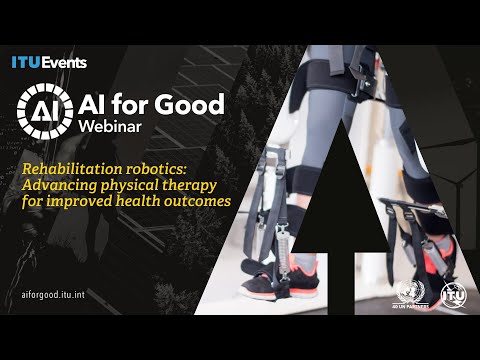
Rehabilitation robots are changing the face of physical therapy, with devices like the Lokomat (developed by Hocoma in 2001) and the ReWalk exoskeleton (approved by the FDA in 2014) enabling patients to regain mobility and independence. According to a study published in the Journal of NeuroEngineering and Rehabilitation, the use of rehabilitation robots can reduce recovery time by up to 30% (source: 'Robot-assisted gait training' by Wirz et al., 2017). However, critics argue that the high cost of these devices (the ReWalk exoskeleton costs around $69,000) limits their accessibility to a wider population. As the technology continues to advance, with companies like Ekso Bionics and Ottobock leading the charge, we can expect to see more affordable and sophisticated rehabilitation robots in the future. With a projected market size of $1.4 billion by 2025 (source: Grand View Research), the impact of rehabilitation robots on the healthcare industry will be significant. As Dr. Michele Xilas, a leading researcher in the field, notes, 'Rehabilitation robots have the potential to revolutionize the way we approach physical therapy, but we need to ensure that they are accessible to all who need them.'
🤖 Introduction to Rehabilitation Robots
Rehabilitation robots are revolutionizing the field of physical therapy and rehabilitation, enabling patients to recover faster and more effectively. These robots, such as the Rehabilitation Robotics systems developed by companies like Hocoma, use advanced technologies like Artificial Intelligence and Machine Learning to provide personalized therapy sessions. With the help of Robotic-Assisted Therapy, patients can regain mobility and strength, improving their overall quality of life. The use of rehabilitation robots is becoming increasingly popular, with many hospitals and rehabilitation centers adopting this technology. For example, the Rehabilitation Robot developed by Kinetic Muscles is being used in various rehabilitation centers around the world.
📈 History and Evolution of Rehabilitation Robotics
The history of rehabilitation robotics dates back to the 1960s, when the first robotic systems were developed for industrial use. However, it wasn't until the 1990s that rehabilitation robots started to emerge, with the development of the first Robotic Orthosis systems. Since then, the field has evolved rapidly, with advancements in Robotic-Assisted Surgery and Prosthetic Limbs. Today, rehabilitation robots are used in a variety of settings, including hospitals, rehabilitation centers, and even homes. Companies like Medtronic and Stryker are leading the way in the development of rehabilitation robots, with their Robotic Surgery Systems and Rehabilitation Robotics Platforms.
🔍 How Rehabilitation Robots Work
Rehabilitation robots use a combination of sensors, actuators, and control systems to provide therapy sessions. These robots can be classified into different types, including Exoskeleton Robots, End-Effector Robots, and Social Robots. The Exoskeleton Robot developed by ReWalk is an example of a rehabilitation robot that uses a combination of sensors and actuators to provide therapy sessions. The End-Effector Robot developed by Barrett Technology is another example of a rehabilitation robot that uses a combination of sensors and actuators to provide therapy sessions. These robots can be controlled using various interfaces, including Brain-Computer Interfaces and Gesture Recognition Systems.
👥 Benefits of Rehabilitation Robots for Patients
Rehabilitation robots offer numerous benefits for patients, including improved mobility, strength, and range of motion. These robots can also provide personalized therapy sessions, tailored to the individual needs of each patient. The use of Virtual Reality and Augmented Reality in rehabilitation robots can enhance the therapy experience, making it more engaging and interactive. For example, the Rehabilitation Robot developed by Kinetic Muscles uses Virtual Reality to provide an immersive therapy experience. Patients can also use rehabilitation robots in the comfort of their own homes, reducing the need for hospital visits and improving their overall quality of life. The Tele-Rehabilitation platform developed by Medtronic is an example of a system that enables remote rehabilitation sessions.
🤝 Benefits of Rehabilitation Robots for Healthcare Professionals
Rehabilitation robots also offer numerous benefits for healthcare professionals, including reduced workload and improved patient outcomes. These robots can provide consistent and accurate therapy sessions, reducing the risk of human error. The use of Data Analytics and Machine Learning in rehabilitation robots can also provide valuable insights into patient progress, enabling healthcare professionals to make data-driven decisions. For example, the Rehabilitation Robotics Platform developed by Hocoma uses Data Analytics to track patient progress and provide personalized therapy sessions. Healthcare professionals can also use rehabilitation robots to provide remote therapy sessions, reducing the need for hospital visits and improving patient outcomes.
📊 Economic Impact of Rehabilitation Robots
The economic impact of rehabilitation robots is significant, with the global market expected to reach $1.4 billion by 2025. The use of rehabilitation robots can reduce healthcare costs, by reducing the need for hospital visits and improving patient outcomes. The Rehabilitation Robot developed by Kinetic Muscles is an example of a system that can reduce healthcare costs, by providing remote rehabilitation sessions. Companies like Medtronic and Stryker are leading the way in the development of rehabilitation robots, with their Robotic Surgery Systems and Rehabilitation Robotics Platforms. The economic impact of rehabilitation robots is not limited to the healthcare industry, as it can also have a significant impact on the economy as a whole.
🚀 Future Developments in Rehabilitation Robotics
The future of rehabilitation robotics is exciting, with advancements in Artificial Intelligence, Machine Learning, and Robotic-Assisted Therapy. The development of new technologies, such as Brain-Computer Interfaces and Gesture Recognition Systems, will enable rehabilitation robots to provide more personalized and effective therapy sessions. The use of Virtual Reality and Augmented Reality in rehabilitation robots will also become more prevalent, enhancing the therapy experience and making it more engaging and interactive. For example, the Rehabilitation Robot developed by Kinetic Muscles uses Virtual Reality to provide an immersive therapy experience.
🤝 Challenges and Limitations of Rehabilitation Robots
Despite the numerous benefits of rehabilitation robots, there are also challenges and limitations associated with their use. One of the main challenges is the high cost of these systems, which can make them inaccessible to many patients. The Rehabilitation Robot developed by Kinetic Muscles is an example of a system that is expensive, but provides high-quality therapy sessions. Another challenge is the need for trained healthcare professionals to operate and maintain these systems. The Rehabilitation Robotics Platform developed by Hocoma requires trained healthcare professionals to operate and maintain the system. Additionally, there are also concerns about the safety and efficacy of rehabilitation robots, which must be addressed through rigorous testing and validation.
📊 Controversy and Debate Surrounding Rehabilitation Robots
The controversy and debate surrounding rehabilitation robots is significant, with some arguing that they are a replacement for human therapists, while others argue that they are a valuable tool to enhance therapy sessions. The use of Robotic-Assisted Therapy has been shown to be effective in improving patient outcomes, but there are also concerns about the lack of human interaction. The Rehabilitation Robot developed by Kinetic Muscles uses Robotic-Assisted Therapy to provide personalized therapy sessions. Companies like Medtronic and Stryker are leading the way in the development of rehabilitation robots, with their Robotic Surgery Systems and Rehabilitation Robotics Platforms. The controversy and debate surrounding rehabilitation robots will continue, as the technology continues to evolve and improve.
🌎 Global Adoption and Implementation of Rehabilitation Robots
The global adoption and implementation of rehabilitation robots is increasing, with many countries investing in the development and deployment of these systems. The use of Tele-Rehabilitation platforms, such as the one developed by Medtronic, is becoming more prevalent, enabling remote rehabilitation sessions and improving patient outcomes. The Rehabilitation Robot developed by Kinetic Muscles is an example of a system that can be used in various settings, including hospitals, rehabilitation centers, and homes. Companies like Hocoma and Barrett Technology are leading the way in the development of rehabilitation robots, with their Rehabilitation Robotics Platforms and Robotic-Assisted Therapy systems.
📈 Conclusion and Future Prospects
In conclusion, rehabilitation robots are revolutionizing the field of physical therapy and rehabilitation, enabling patients to recover faster and more effectively. The use of Artificial Intelligence, Machine Learning, and Robotic-Assisted Therapy is enhancing the therapy experience, making it more personalized and effective. The future of rehabilitation robotics is exciting, with advancements in Brain-Computer Interfaces and Gesture Recognition Systems. As the technology continues to evolve and improve, we can expect to see more widespread adoption and implementation of rehabilitation robots, improving patient outcomes and transforming the field of physical therapy and rehabilitation.
Key Facts
- Year
- 2014
- Origin
- Switzerland (Hocoma) and Israel (ReWalk)
- Category
- Healthcare Technology
- Type
- Medical Device
Frequently Asked Questions
What is a rehabilitation robot?
A rehabilitation robot is a type of robot that is designed to assist patients in their recovery from injury or illness. These robots use advanced technologies like Artificial Intelligence and Machine Learning to provide personalized therapy sessions. The use of Robotic-Assisted Therapy has been shown to be effective in improving patient outcomes. Companies like Medtronic and Stryker are leading the way in the development of rehabilitation robots, with their Robotic Surgery Systems and Rehabilitation Robotics Platforms.
How do rehabilitation robots work?
Rehabilitation robots use a combination of sensors, actuators, and control systems to provide therapy sessions. These robots can be classified into different types, including Exoskeleton Robots, End-Effector Robots, and Social Robots. The Exoskeleton Robot developed by ReWalk is an example of a rehabilitation robot that uses a combination of sensors and actuators to provide therapy sessions. The End-Effector Robot developed by Barrett Technology is another example of a rehabilitation robot that uses a combination of sensors and actuators to provide therapy sessions.
What are the benefits of rehabilitation robots?
Rehabilitation robots offer numerous benefits for patients, including improved mobility, strength, and range of motion. These robots can also provide personalized therapy sessions, tailored to the individual needs of each patient. The use of Virtual Reality and Augmented Reality in rehabilitation robots can enhance the therapy experience, making it more engaging and interactive. For example, the Rehabilitation Robot developed by Kinetic Muscles uses Virtual Reality to provide an immersive therapy experience.
Are rehabilitation robots safe?
Rehabilitation robots are designed to be safe and effective, but like any medical device, they can pose risks if not used properly. The use of Data Analytics and Machine Learning in rehabilitation robots can provide valuable insights into patient progress, enabling healthcare professionals to make data-driven decisions. For example, the Rehabilitation Robotics Platform developed by Hocoma uses Data Analytics to track patient progress and provide personalized therapy sessions. However, there are also concerns about the safety and efficacy of rehabilitation robots, which must be addressed through rigorous testing and validation.
Can rehabilitation robots replace human therapists?
Rehabilitation robots are not intended to replace human therapists, but rather to augment and enhance the therapy experience. The use of Robotic-Assisted Therapy has been shown to be effective in improving patient outcomes, but human therapists are still necessary to provide emotional support and guidance. The Rehabilitation Robot developed by Kinetic Muscles uses Robotic-Assisted Therapy to provide personalized therapy sessions, but human therapists are still necessary to operate and maintain the system.
What is the future of rehabilitation robotics?
The future of rehabilitation robotics is exciting, with advancements in Artificial Intelligence, Machine Learning, and Robotic-Assisted Therapy. The development of new technologies, such as Brain-Computer Interfaces and Gesture Recognition Systems, will enable rehabilitation robots to provide more personalized and effective therapy sessions. The use of Virtual Reality and Augmented Reality in rehabilitation robots will also become more prevalent, enhancing the therapy experience and making it more engaging and interactive.
How much do rehabilitation robots cost?
The cost of rehabilitation robots can vary widely, depending on the type and complexity of the system. The Rehabilitation Robot developed by Kinetic Muscles is an example of a system that is expensive, but provides high-quality therapy sessions. However, the cost of rehabilitation robots is not the only factor to consider, as the benefits of these systems can far outweigh the costs. The use of Data Analytics and Machine Learning in rehabilitation robots can provide valuable insights into patient progress, enabling healthcare professionals to make data-driven decisions.