
Contents
- 🏊♂️ Introduction to PWC Racing
- 🚣♂️ History of Personal Watercraft Competition
- 🏆 Professional PWC Racing Leagues
- 🌊 Types of PWC Racing
- 🚨 Safety Concerns and Precautions
- 🏋️♂️ Physical and Mental Demands of PWC Racing
- 📊 Technology and Innovation in PWC Racing
- 👥 Notable PWC Racing Teams and Riders
- 🏆 Major PWC Racing Events and Championships
- 📈 Growing Popularity and Future of PWC Racing
- 🤝 PWC Racing Communities and Forums
- 📚 Resources for Aspiring PWC Racers
- Frequently Asked Questions
- Related Topics
Overview
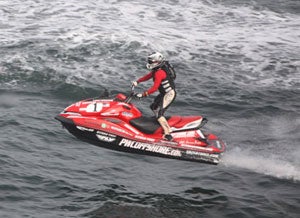
PWC racing, also known as jet skiing, has been a popular recreational activity since the 1970s, but it wasn't until the 1980s that competitive racing began to take shape. The sport gained momentum in the 1990s with the formation of the International Jet Sports Boating Association (IJSBA) and the introduction of professional tournaments. Today, PWC racing is a global phenomenon, with top riders like Dustin Motzouris and Anya Colley competing in high-stakes events like the IJSBA World Finals, which attracts thousands of spectators and offers prize purses exceeding $100,000. With the rise of new technologies and innovative designs, PWC racing continues to push the limits of speed and performance, with some models reaching speeds of over 70 mph. As the sport continues to grow in popularity, it's likely that we'll see even more intense competition and record-breaking feats in the future. The controversy surrounding environmental impact and safety concerns, however, threatens to disrupt the sport's momentum, with some critics calling for stricter regulations and more sustainable practices.
🏊♂️ Introduction to PWC Racing
PWC racing, also known as personal watercraft racing, is a high-speed, adrenaline-fueled sport that involves racing personal watercraft on a variety of courses, including ocean and lake tracks. The sport has gained popularity in recent years, with professional leagues and events springing up around the world. For those interested in getting involved, there are many PWC racing clubs and schools that offer training and instruction. As with any high-speed sport, safety is a top concern, and riders must take necessary precautions to minimize the risk of injury.
🚣♂️ History of Personal Watercraft Competition
The history of PWC racing dates back to the 1980s, when the first personal watercraft were introduced to the market. Initially, these vehicles were used for recreational purposes, but it wasn't long before enthusiasts began to modify them for racing. The first organized PWC racing events were held in the early 1990s, and the sport has been growing in popularity ever since. Today, PWC racing is recognized as a legitimate sport, with professional leagues and events sanctioned by organizations such as the International Jet Sports Boating Association. For more information on the history of PWC racing, check out the PWC Racing Museum.
🏆 Professional PWC Racing Leagues
Professional PWC racing leagues, such as the PWC World Championship and the National PWC Tour, offer riders the opportunity to compete at the highest level. These leagues feature a variety of classes, including Runabout and Stand-up, and attract top riders from around the world. The PWC Racing League is another prominent organization that sanctions events and provides a platform for riders to compete and gain recognition. For those interested in following the latest news and updates from the world of professional PWC racing, be sure to check out PWC Racing News.
🌊 Types of PWC Racing
There are several types of PWC racing, including closed course racing, endurance racing, and freestyle racing. Each type of racing requires a unique set of skills and strategies, and riders must be able to adapt to different conditions and courses. For example, closed course racing involves racing on a closed circuit, while endurance racing involves racing over long distances. Freestyle racing, on the other hand, involves performing tricks and stunts on the water. Riders can learn more about the different types of PWC racing by visiting the PWC Racing Academy.
🚨 Safety Concerns and Precautions
Safety is a top concern in PWC racing, and riders must take necessary precautions to minimize the risk of injury. This includes wearing proper safety gear, such as helmets and life jackets, and following safety rules and regulations. Riders must also be aware of their surroundings and take steps to avoid collisions with other riders or obstacles. For more information on PWC safety, check out the PWC Safety Manual. Additionally, riders can visit the PWC Racing Forum to discuss safety concerns and share tips with other riders.
🏋️♂️ Physical and Mental Demands of PWC Racing
PWC racing is a physically and mentally demanding sport that requires a high level of fitness and focus. Riders must be able to withstand the physical demands of racing, including high speeds and G-forces, as well as the mental demands of competition. To prepare for the physical and mental demands of PWC racing, riders can visit the PWC Racing Training Center or work with a PWC racing coach. Riders can also learn more about the physical and mental demands of PWC racing by reading about the experiences of professional riders, such as PWC racing pros.
📊 Technology and Innovation in PWC Racing
Technology and innovation play a significant role in PWC racing, with manufacturers continually developing new and improved PWC models and accessories. Riders can also use performance enhancements, such as engine modifications and performance parts, to gain a competitive edge. For more information on the latest PWC technology and innovations, check out the PWC Technology News or visit the PWC Racing Store. Additionally, riders can learn about the latest trends and developments in PWC racing by attending PWC racing events and conferences.
👥 Notable PWC Racing Teams and Riders
There are several notable PWC racing teams and riders, including Team PWC Racing and PWC Racing Pro. These teams and riders have achieved great success in the sport, winning numerous championships and awards. For more information on notable PWC racing teams and riders, check out the PWC Racing Hall of Fame or visit the PWC Racing Website. Riders can also learn more about the experiences and achievements of professional riders by reading about their stories and careers, such as the story of PWC racing legend.
🏆 Major PWC Racing Events and Championships
Major PWC racing events and championships, such as the PWC World Championship and the National PWC Tour, attract top riders from around the world and offer a platform for riders to compete and gain recognition. These events are often held in exotic locations, such as PWC racing destinations, and offer a unique and exciting experience for riders and spectators alike. For more information on upcoming PWC racing events and championships, check out the PWC Racing Calendar or visit the PWC Racing Ticket Office.
📈 Growing Popularity and Future of PWC Racing
The popularity of PWC racing is growing rapidly, with new events and leagues springing up around the world. The sport is expected to continue to grow in popularity, with many predicting that it will become a major player in the world of motorsports. For more information on the future of PWC racing, check out the PWC Racing Projections or visit the PWC Racing Industry Insights. Additionally, riders can learn more about the latest trends and developments in PWC racing by attending PWC racing conferences and seminars.
🤝 PWC Racing Communities and Forums
PWC racing communities and forums, such as the PWC Racing Forum and PWC Racing Social Media, provide a platform for riders to connect with each other, share information and advice, and stay up-to-date on the latest news and developments in the sport. These communities are a great resource for riders of all levels, from beginners to professionals, and offer a unique and supportive environment for riders to learn and grow. For more information on PWC racing communities and forums, check out the PWC Racing Community Guide.
📚 Resources for Aspiring PWC Racers
For those interested in getting involved in PWC racing, there are many resources available, including PWC racing schools and PWC racing clubs. These organizations offer training and instruction, as well as a supportive community of riders who can provide guidance and advice. For more information on getting started in PWC racing, check out the PWC Racing Getting Started Guide or visit the PWC Racing Website. Additionally, riders can learn more about the sport by reading about the experiences of professional riders, such as PWC racing pro.
Key Facts
- Year
- 1970
- Origin
- United States
- Category
- Sports
- Type
- Sport
Frequently Asked Questions
What is PWC racing?
PWC racing, also known as personal watercraft racing, is a high-speed, adrenaline-fueled sport that involves racing personal watercraft on a variety of courses, including ocean and lake tracks. The sport has gained popularity in recent years, with professional leagues and events springing up around the world. For more information on PWC racing, check out the PWC Racing Website.
How do I get started in PWC racing?
For those interested in getting started in PWC racing, there are many resources available, including PWC racing schools and PWC racing clubs. These organizations offer training and instruction, as well as a supportive community of riders who can provide guidance and advice. For more information on getting started in PWC racing, check out the PWC Racing Getting Started Guide.
What are the different types of PWC racing?
There are several types of PWC racing, including closed course racing, endurance racing, and freestyle racing. Each type of racing requires a unique set of skills and strategies, and riders must be able to adapt to different conditions and courses. For more information on the different types of PWC racing, check out the PWC Racing Academy.
What are the safety concerns in PWC racing?
Safety is a top concern in PWC racing, and riders must take necessary precautions to minimize the risk of injury. This includes wearing proper safety gear, such as helmets and life jackets, and following safety rules and regulations. Riders must also be aware of their surroundings and take steps to avoid collisions with other riders or obstacles. For more information on PWC safety, check out the PWC Safety Manual.
How can I stay up-to-date on the latest news and developments in PWC racing?
For the latest news and updates from the world of PWC racing, be sure to check out PWC Racing News or visit the PWC Racing Website. Additionally, riders can learn more about the latest trends and developments in PWC racing by attending PWC racing events and conferences, or by joining PWC racing communities and forums.
What are the physical and mental demands of PWC racing?
PWC racing is a physically and mentally demanding sport that requires a high level of fitness and focus. Riders must be able to withstand the physical demands of racing, including high speeds and G-forces, as well as the mental demands of competition. For more information on the physical and mental demands of PWC racing, check out the PWC Racing Training Center or work with a PWC racing coach.
How can I connect with other PWC riders and stay involved in the sport?
PWC racing communities and forums, such as the PWC Racing Forum and PWC Racing Social Media, provide a platform for riders to connect with each other, share information and advice, and stay up-to-date on the latest news and developments in the sport. These communities are a great resource for riders of all levels, from beginners to professionals, and offer a unique and supportive environment for riders to learn and grow.