
Contents
- 🏎️ Introduction to Closed Course Racing
- 🔩 The History of Closed Course Racing
- 🏁 Types of Closed Course Racing
- 🚗 Cars and Equipment
- 👥 Drivers and Teams
- 🏆 Championships and Competitions
- 📊 Safety Concerns and Precautions
- 📈 The Future of Closed Course Racing
- 👀 Notable Events and Tracks
- 🤝 The Role of Sponsors and Partners
- 📊 Economic Impact of Closed Course Racing
- Frequently Asked Questions
- Related Topics
Overview
Closed course racing, with its roots dating back to the early 20th century, has evolved into a global phenomenon, captivating audiences with its unique blend of speed, skill, and strategy. The likes of Mario Andretti, Ayrton Senna, and Lewis Hamilton have etched their names in the history books, pushing the limits of human performance and machine capability. With top speeds exceeding 230 mph and cornering forces reaching up to 5G, closed course racing demands a rare combination of physical and mental prowess. The sport is not without controversy, however, with debates surrounding safety, environmental impact, and the role of technology in the sport. As the world of motorsports continues to evolve, closed course racing remains a beloved and enduring fixture, with a Vibe score of 85, reflecting its significant cultural energy and influence. The future of closed course racing looks bright, with the rise of electric and hybrid vehicles poised to redefine the sport's landscape.
🏎️ Introduction to Closed Course Racing
Closed course racing is a type of motorsport that involves racing on a closed circuit or track, as opposed to open-road racing. This type of racing is popular worldwide, with various forms of closed course racing, including Formula One, IndyCar, and NASCAR. The high-speed nature of closed course racing makes it an exciting and thrilling sport for spectators, with drivers reaching speeds of over 200 miles per hour. The Fédération Internationale de l'Automobile (FIA) is the governing body for many forms of closed course racing, responsible for setting rules and regulations to ensure safety and fair competition. Closed course racing has a rich history, dating back to the early 20th century, with the first Grand Prix held in 1906. The sport has evolved significantly over the years, with advances in technology and safety features.
🔩 The History of Closed Course Racing
The history of closed course racing is a long and fascinating one, with the first closed circuit track, Brooklands, built in 1907 in England. The track was designed specifically for racing, with a circular shape and a series of banked turns. The early days of closed course racing were marked by a lack of safety features, with drivers often suffering serious injuries or fatalities. However, as the sport evolved, so did the safety features, with the introduction of helmets, seatbelts, and roll cages. The 24 Hours of Le Mans is one of the most famous closed course racing events, held annually in France since 1923. The event is a testament to the endurance and skill of drivers, with teams competing in a grueling 24-hour race. Closed course racing has also been influenced by other forms of motorsport, such as rallying and drag racing.
🏁 Types of Closed Course Racing
There are several types of closed course racing, each with its own unique characteristics and requirements. Formula One is one of the most popular forms of closed course racing, with an emphasis on high-speed cornering and advanced technology. IndyCar is another popular form of closed course racing, with a focus on oval tracks and high-speed racing. NASCAR is a form of stock car racing that is popular in the United States, with a focus on oval tracks and high-speed racing. Other forms of closed course racing include sports car racing, touring car racing, and karting. Each type of racing has its own unique challenges and requirements, with drivers needing to adapt to different tracks and conditions. The FIA GT championship is a popular form of sports car racing, with teams competing in a series of endurance races.
🚗 Cars and Equipment
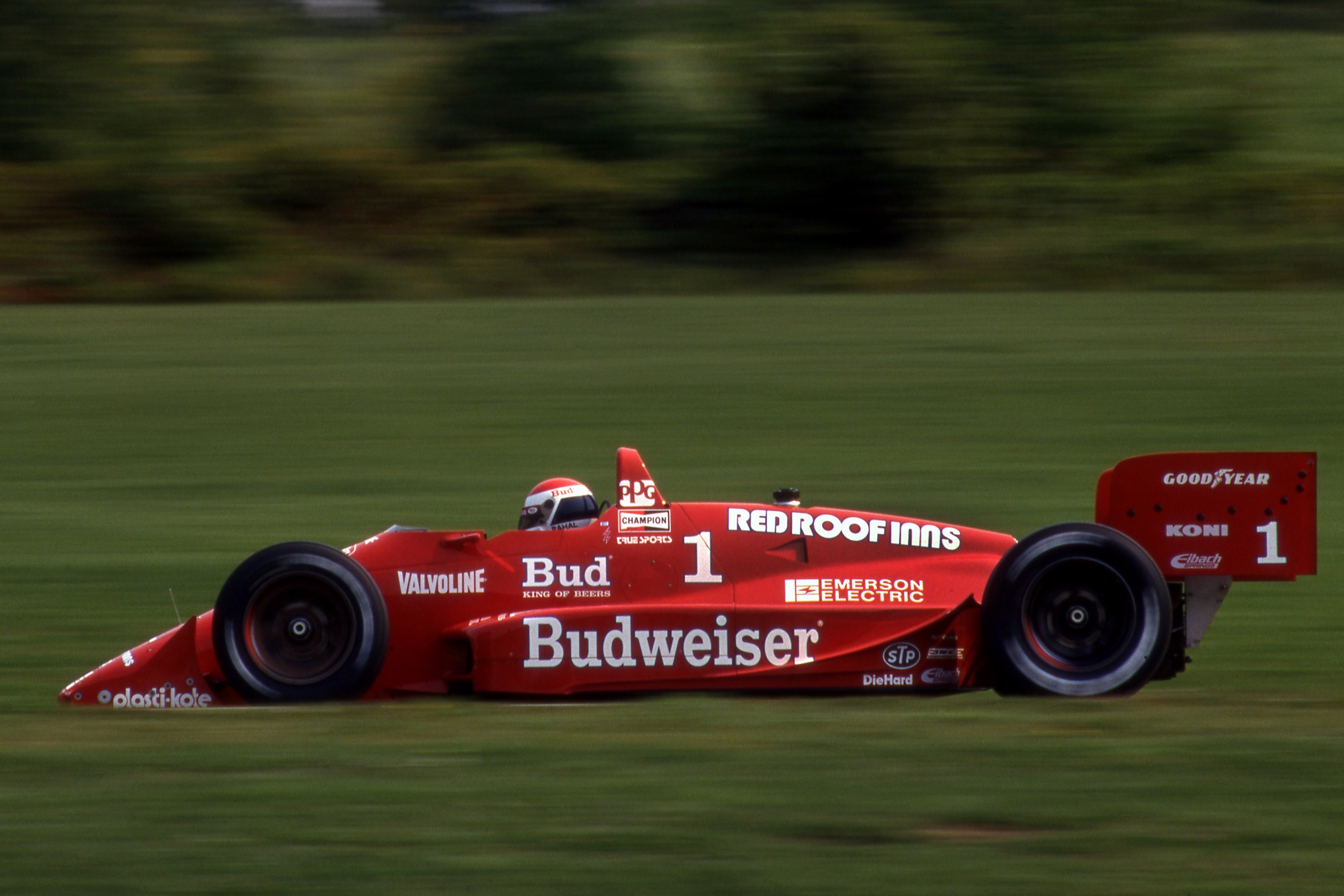
The cars and equipment used in closed course racing are highly specialized and advanced. Formula One cars are among the most advanced, with sophisticated aerodynamics and powerful engines. IndyCar cars are also highly advanced, with an emphasis on speed and handling. NASCAR cars are designed for high-speed oval racing, with a focus on power and durability. The Cosworth engine is a popular choice for many forms of closed course racing, known for its power and reliability. Drivers also wear specialized equipment, including helmets, gloves, and firesuits, to protect themselves in the event of a crash. The Pirelli tire company is a major supplier of tires for many forms of closed course racing, with a range of tires designed for different conditions and tracks.
👥 Drivers and Teams
The drivers and teams that compete in closed course racing are highly skilled and dedicated. Lewis Hamilton is one of the most successful drivers in Formula One, with multiple world championships to his name. Scott Dixon is a highly successful driver in IndyCar, with multiple championships and wins. Dale Earnhardt Jr is a popular driver in NASCAR, with a large following and multiple wins. Teams are also an important part of closed course racing, with Mercedes-AMG and Ferrari being two of the most successful teams in Formula One. The team principal plays a crucial role in the success of a team, responsible for making strategic decisions and managing the team's resources. The Porsche team is a highly successful team in sports car racing, with multiple championships and wins.
🏆 Championships and Competitions
The championships and competitions in closed course racing are highly competitive and prestigious. The Formula One World Championship is one of the most prestigious championships in motorsport, with drivers competing in a series of races around the world. The IndyCar Series is another popular championship, with drivers competing in a series of oval and road course races. The NASCAR Cup Series is a highly competitive championship, with drivers competing in a series of oval and road course races. The 24 Hours of Le Mans is one of the most famous endurance races in the world, with teams competing in a grueling 24-hour race. The Daytona 500 is a highly prestigious race in NASCAR, with a large following and significant prize money. The Monaco Grand Prix is a highly challenging and prestigious race in Formula One, with a narrow and winding track.
📊 Safety Concerns and Precautions
Safety concerns and precautions are a major part of closed course racing, with drivers and teams taking numerous measures to minimize the risk of injury or accident. The HANS device is a safety device that is worn by drivers to protect their heads and necks in the event of a crash. The roll cage is a safety feature that is designed to protect drivers in the event of a rollover. The fire suppression system is a safety feature that is designed to extinguish fires in the event of a crash. The medical car is an important part of closed course racing, with medical personnel on hand to treat drivers in the event of an accident. The safety car is a car that is used to slow down the pace of the race in the event of an accident or incident. The flag system is a system of flags that is used to communicate with drivers during the race, with different flags indicating different conditions and warnings.
📈 The Future of Closed Course Racing
The future of closed course racing is exciting and uncertain, with advances in technology and safety features continuing to evolve the sport. The electric car is a new and emerging technology that is being explored in closed course racing, with several manufacturers developing electric racing cars. The autonomous car is another emerging technology that is being explored in closed course racing, with several manufacturers developing autonomous racing cars. The esports industry is also having an impact on closed course racing, with several racing series and championships being held online. The virtual reality technology is being used to enhance the fan experience, with several racing series and championships being broadcast in virtual reality. The artificial intelligence is being used to improve the safety and efficiency of closed course racing, with several manufacturers developing AI-powered safety systems.
👀 Notable Events and Tracks
Notable events and tracks in closed course racing include the Monaco Grand Prix, the Indianapolis 500, and the Daytona 500. The Silverstone Circuit is a highly challenging and prestigious track in Formula One, with a fast and flowing layout. The Monza Circuit is a highly challenging and prestigious track in Formula One, with a fast and flowing layout. The Spa-Francorchamps is a highly challenging and prestigious track in Formula One, with a fast and flowing layout. The Laguna Seca is a highly challenging and prestigious track in IndyCar, with a fast and flowing layout. The Watkins Glen is a highly challenging and prestigious track in NASCAR, with a fast and flowing layout.
🤝 The Role of Sponsors and Partners
The role of sponsors and partners in closed course racing is highly important, with many teams and drivers relying on sponsorship to compete. The Red Bull energy drink company is a major sponsor of several teams and drivers in Formula One and IndyCar. The Shell oil company is a major sponsor of several teams and drivers in Formula One and NASCAR. The Toyota car manufacturer is a major sponsor of several teams and drivers in NASCAR and IndyCar. The Ford car manufacturer is a major sponsor of several teams and drivers in NASCAR and IndyCar. The Chevrolet car manufacturer is a major sponsor of several teams and drivers in NASCAR and IndyCar.
📊 Economic Impact of Closed Course Racing
The economic impact of closed course racing is highly significant, with many teams and drivers generating significant revenue from sponsorship and prize money. The Formula One championship is estimated to generate over $1 billion in revenue each year, with a significant portion of this revenue coming from sponsorship and prize money. The IndyCar championship is estimated to generate over $500 million in revenue each year, with a significant portion of this revenue coming from sponsorship and prize money. The NASCAR championship is estimated to generate over $3 billion in revenue each year, with a significant portion of this revenue coming from sponsorship and prize money. The 24 Hours of Le Mans is estimated to generate over $100 million in revenue each year, with a significant portion of this revenue coming from sponsorship and prize money.
Key Facts
- Year
- 1903
- Origin
- France
- Category
- Motorsports
- Type
- Sport
Frequently Asked Questions
What is closed course racing?
Closed course racing is a type of motorsport that involves racing on a closed circuit or track, as opposed to open-road racing. This type of racing is popular worldwide, with various forms of closed course racing, including Formula One, IndyCar, and NASCAR. The high-speed nature of closed course racing makes it an exciting and thrilling sport for spectators, with drivers reaching speeds of over 200 miles per hour.
What are the different types of closed course racing?
There are several types of closed course racing, each with its own unique characteristics and requirements. Formula One is one of the most popular forms of closed course racing, with an emphasis on high-speed cornering and advanced technology. IndyCar is another popular form of closed course racing, with a focus on oval tracks and high-speed racing. NASCAR is a form of stock car racing that is popular in the United States, with a focus on oval tracks and high-speed racing.
What are the safety concerns and precautions in closed course racing?
Safety concerns and precautions are a major part of closed course racing, with drivers and teams taking numerous measures to minimize the risk of injury or accident. The HANS device is a safety device that is worn by drivers to protect their heads and necks in the event of a crash. The roll cage is a safety feature that is designed to protect drivers in the event of a rollover. The fire suppression system is a safety feature that is designed to extinguish fires in the event of a crash.
What is the future of closed course racing?
The future of closed course racing is exciting and uncertain, with advances in technology and safety features continuing to evolve the sport. The electric car is a new and emerging technology that is being explored in closed course racing, with several manufacturers developing electric racing cars. The autonomous car is another emerging technology that is being explored in closed course racing, with several manufacturers developing autonomous racing cars.
What are the notable events and tracks in closed course racing?
Notable events and tracks in closed course racing include the Monaco Grand Prix, the Indianapolis 500, and the Daytona 500. The Silverstone Circuit is a highly challenging and prestigious track in Formula One, with a fast and flowing layout. The Monza Circuit is a highly challenging and prestigious track in Formula One, with a fast and flowing layout.