
Contents
- 🔒 Introduction to Protection System Design
- 🔍 Understanding Threats and Vulnerabilities
- 📈 Risk Assessment and Management
- 🔑 Authentication and Authorization
- 🚫 Intrusion Detection and Prevention
- 📊 Incident Response and Recovery
- 🤝 Collaboration and Information Sharing
- 🔜 Emerging Trends and Technologies
- 📚 Standards and Regulations
- 📊 Economic Impact and ROI
- 🌐 Global Perspectives and Initiatives
- 🔮 Future of Protection System Design
- Frequently Asked Questions
- Related Topics
Overview
Protection system design is a complex field that requires the convergence of technical expertise, regulatory compliance, and strategic planning. As the threat landscape evolves, designers must balance the need for robust security measures with the demands of usability, scalability, and cost-effectiveness. The field is marked by ongoing debates between proponents of proactive and reactive approaches, with some arguing that prevention is the best defense, while others emphasize the importance of rapid response and recovery. Notable examples of protection system design include the development of intrusion detection systems by researchers like Rebecca Bace and the implementation of robust security protocols by companies like Google. With the rise of IoT and smart cities, the stakes are higher than ever, and designers must consider the potential consequences of system failures, such as the 2017 NotPetya ransomware attack, which caused an estimated $10 billion in damages. As the field continues to evolve, it is likely that we will see increased adoption of AI-powered security solutions, such as those developed by companies like Palo Alto Networks, and a growing emphasis on human-centered design principles, which prioritize the needs and experiences of end-users.
🔒 Introduction to Protection System Design
Protection system design is a critical aspect of Cybersecurity and Infrastructure Protection. It involves the creation of systems and protocols to prevent, detect, and respond to potential threats. The goal of protection system design is to ensure the confidentiality, integrity, and availability of sensitive information and assets. This is achieved through the implementation of Security Controls, such as Firewalls, Intrusion Detection Systems, and Encryption. As technology continues to evolve, protection system design must also adapt to stay ahead of emerging threats. For example, the use of Artificial Intelligence and Machine Learning can enhance threat detection and response capabilities.
🔍 Understanding Threats and Vulnerabilities
Understanding threats and vulnerabilities is a crucial step in protection system design. This involves identifying potential Threat Actors and their motivations, as well as analyzing the Vulnerabilities of a system or network. Risk Assessment is a key component of this process, as it helps to determine the likelihood and potential impact of a threat. By understanding the threats and vulnerabilities, protection system designers can develop targeted Security Measures to mitigate risks. For instance, the use of Penetration Testing can help identify vulnerabilities and improve the overall security posture of a system. Additionally, Incident Response Planning can ensure that organizations are prepared to respond quickly and effectively in the event of a security incident.
📈 Risk Assessment and Management
Risk assessment and management are essential components of protection system design. This involves identifying, assessing, and prioritizing risks, as well as implementing Risk Mitigation Strategies to reduce the likelihood and impact of a threat. Compliance with relevant Regulations and Standards is also critical, as it helps to ensure that protection systems meet minimum security requirements. For example, the NIST Cybersecurity Framework provides a structured approach to managing and reducing cybersecurity risk. By implementing a robust risk management framework, organizations can reduce the risk of a security breach and minimize the potential impact of a successful attack. Furthermore, Business Continuity Planning can help ensure that organizations can continue to operate in the event of a disaster or major disruption.
🚫 Intrusion Detection and Prevention
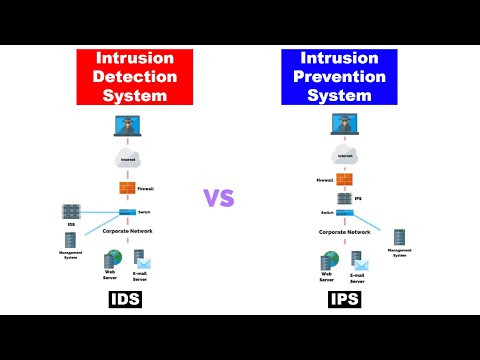
Intrusion detection and prevention are essential components of protection system design. This involves monitoring network traffic and system activity to identify potential security threats, as well as blocking or mitigating malicious activity. Intrusion Detection Systems can help identify potential threats in real-time, while Intrusion Prevention Systems can block malicious traffic and prevent attacks. For example, the use of Anomaly Detection can help identify unusual patterns of behavior that may indicate a security threat. By implementing a robust intrusion detection and prevention system, organizations can reduce the risk of a security breach and minimize the potential impact of a successful attack.
📊 Incident Response and Recovery
Incident response and recovery are critical components of protection system design. This involves developing plans and procedures to respond to security incidents, as well as restoring systems and data to a known good state. Incident Response Planning is a key component of this process, as it helps to ensure that organizations are prepared to respond quickly and effectively in the event of a security incident. For instance, the use of Incident Response Teams can help coordinate response efforts and minimize the impact of a security breach. Additionally, Disaster Recovery Planning can help ensure that organizations can recover quickly and effectively in the event of a disaster or major disruption.
🤝 Collaboration and Information Sharing
Collaboration and information sharing are essential components of protection system design. This involves working with other organizations and stakeholders to share threat intelligence and best practices, as well as coordinating response efforts in the event of a security incident. Information Sharing is a key component of this process, as it helps to ensure that organizations have access to the latest threat intelligence and security information. For example, the use of Threat Intelligence Platforms can help organizations share and analyze threat intelligence in real-time. By collaborating and sharing information, organizations can reduce the risk of a security breach and improve their overall security posture.
🔜 Emerging Trends and Technologies
Emerging trends and technologies are changing the landscape of protection system design. This includes the use of Artificial Intelligence, Machine Learning, and Internet of Things devices. These technologies can enhance threat detection and response capabilities, as well as improve the overall security posture of an organization. For instance, the use of AI-Powered Security Tools can help identify and respond to security threats in real-time. Additionally, the use of IoT Security Solutions can help secure IoT devices and prevent them from being used as attack vectors.
📚 Standards and Regulations
Standards and regulations play a critical role in protection system design. This includes compliance with relevant Regulations and Standards, such as the GDPR and HIPAA. By complying with these regulations and standards, organizations can ensure that their protection systems meet minimum security requirements and reduce the risk of a security breach. For example, the use of Compliance Management Tools can help organizations track and manage their compliance with relevant regulations and standards.
📊 Economic Impact and ROI
The economic impact of protection system design is significant. This includes the cost of implementing and maintaining protection systems, as well as the potential cost of a security breach. Return on Investment is a key consideration in protection system design, as it helps to ensure that organizations are getting the most value from their security investments. For instance, the use of Cost-Benefit Analysis can help organizations evaluate the costs and benefits of different security measures and make informed decisions about their security investments.
🌐 Global Perspectives and Initiatives
Global perspectives and initiatives are shaping the future of protection system design. This includes the development of international Standards and Regulations, as well as global cooperation and information sharing. For example, the use of International Cooperation can help organizations share threat intelligence and best practices, and coordinate response efforts in the event of a security incident. Additionally, the use of Global Security Initiatives can help raise awareness about security issues and promote the development of more secure systems and technologies.
🔮 Future of Protection System Design
The future of protection system design is exciting and rapidly evolving. This includes the use of emerging technologies, such as Quantum Computing and Blockchain, to enhance security capabilities. For instance, the use of Quantum-Resistant Cryptography can help organizations prepare for the potential risks and challenges of quantum computing. Additionally, the use of Blockchain-Based Security Solutions can help organizations improve the security and integrity of their systems and data.
Key Facts
- Year
- 2022
- Origin
- Vibepedia
- Category
- Cybersecurity and Infrastructure Protection
- Type
- Concept
Frequently Asked Questions
What is protection system design?
Protection system design is the process of creating systems and protocols to prevent, detect, and respond to potential threats. It involves the implementation of security controls, such as firewalls, intrusion detection systems, and encryption, to ensure the confidentiality, integrity, and availability of sensitive information and assets. For more information, see Protection System Design.
Why is risk assessment and management important in protection system design?
Risk assessment and management are essential components of protection system design, as they help to identify and mitigate potential security risks. By assessing and managing risk, organizations can reduce the likelihood and impact of a security breach and minimize the potential damage to their systems and data. For more information, see Risk Assessment and Risk Management.
What is the role of authentication and authorization in protection system design?
Authentication and authorization are critical components of protection system design, as they help to verify the identity of users and devices and control access to sensitive information and assets. By implementing robust authentication and authorization mechanisms, organizations can reduce the risk of insider threats and external attacks. For more information, see Authentication and Authorization.
How can organizations improve their incident response and recovery capabilities?
Organizations can improve their incident response and recovery capabilities by developing and implementing incident response plans, conducting regular training and exercises, and investing in incident response technologies and tools. For more information, see Incident Response Planning and Disaster Recovery Planning.
What is the importance of collaboration and information sharing in protection system design?
Collaboration and information sharing are essential components of protection system design, as they help organizations share threat intelligence and best practices, and coordinate response efforts in the event of a security incident. By collaborating and sharing information, organizations can reduce the risk of a security breach and improve their overall security posture. For more information, see Information Sharing and Collaboration.
What are some emerging trends and technologies in protection system design?
Some emerging trends and technologies in protection system design include the use of artificial intelligence, machine learning, and internet of things devices. These technologies can enhance threat detection and response capabilities, as well as improve the overall security posture of an organization. For more information, see Artificial Intelligence, Machine Learning, and Internet of Things.
What is the economic impact of protection system design?
The economic impact of protection system design is significant, as it includes the cost of implementing and maintaining protection systems, as well as the potential cost of a security breach. By investing in protection system design, organizations can reduce the risk of a security breach and minimize the potential damage to their systems and data. For more information, see Return on Investment and Cost-Benefit Analysis.