
Contents
- 📈 Introduction to Project Management
- 📊 History of Project Management
- 🔍 Project Management Frameworks
- 📚 Certifications and Standards
- 🌐 Globalization and Technology
- 🤝 Collaboration and Team Management
- 📊 Project Management Tools and Software
- 📈 Future of Project Management
- 📊 Challenges and Opportunities
- 📚 Best Practices and Methodologies
- 📊 Project Management in Different Industries
- 📈 Conclusion and Recommendations
- Frequently Asked Questions
- Related Topics
Overview
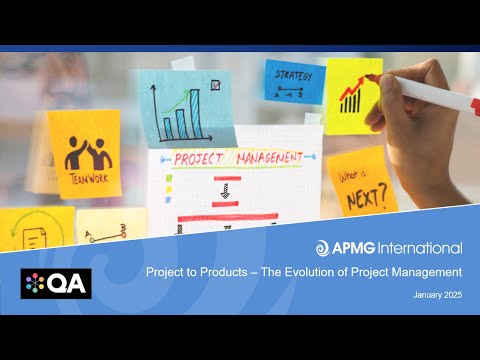
The project management profession has undergone significant transformations since its inception in the 1950s. Initially, project management was an ad hoc practice, with professionals relying on intuition and experience to deliver projects. However, with the introduction of the Project Management Body of Knowledge (PMBOK) in 1996 and the establishment of the Project Management Institute (PMI) in 1969, the profession began to take shape. Today, project management is a strategic discipline that involves the application of knowledge, skills, and techniques to deliver projects effectively. The profession is expected to continue growing, with the PMI predicting that the number of project management professionals will increase to 88 million by 2027. As the profession evolves, it is likely to be shaped by emerging trends such as agile methodologies, digital transformation, and sustainability. With a vibe score of 8, the project management profession is poised to remain a vital component of modern business, with professionals playing a critical role in driving innovation and growth.
📈 Introduction to Project Management
The project management profession has undergone significant changes over the years, driven by advances in technology, changes in business needs, and the increasing complexity of projects. Project Management is a discipline that involves planning, organizing, and controlling resources to achieve specific goals and objectives. Agile Project Management has become a popular approach in recent years, emphasizing flexibility and adaptability in project planning and execution. The Project Management Institute (PMI) is a leading professional organization that provides certifications, training, and resources for project managers. With the rise of Digital Transformation, project managers must be able to navigate complex technological landscapes and lead cross-functional teams.
📊 History of Project Management
The history of project management dates back to the early 20th century, when Henry Gantt developed the Gantt chart, a widely used tool for project scheduling. Fredrick Taylor's principles of scientific management also laid the foundation for modern project management. The Project Management Body of Knowledge (PMBOK) was first published in 1996 and has since become a widely accepted standard for project management practices. PRINCE2 is another popular project management methodology that emphasizes a structured approach to project planning and execution. The International Project Management Association (IPMA) is a global organization that promotes project management standards and best practices.
🔍 Project Management Frameworks
Project management frameworks provide a structured approach to planning, executing, and controlling projects. The Waterfall Model is a traditional approach that emphasizes a linear and sequential approach to project planning. Agile Methodologies such as Scrum and Kanban have become popular in recent years, emphasizing flexibility and adaptability in project planning and execution. The Hybrid Approach combines elements of traditional and agile methodologies to create a tailored approach to project management. Project Management Frameworks such as PMI Framework and APM Framework provide a structured approach to project planning and execution.
📚 Certifications and Standards
Certifications and standards are essential for project managers to demonstrate their expertise and competence. The Project Management Professional (PMP) certification is a widely recognized credential that demonstrates a project manager's knowledge and experience. Agile Certifications such as Certified Scrum Master (CSM) and Certified Agile Practitioner (CAPM) are also popular among project managers. The ISO 21500 standard provides a framework for project management practices and is widely adopted across industries. Project Management Standards such as PMI Standards and IPMA Standards provide a basis for project management practices and certifications.
🌐 Globalization and Technology
Globalization and technology have transformed the project management profession, enabling project managers to work with distributed teams and utilize advanced tools and software. Cloud Computing has enabled project managers to access project management tools and software from anywhere, at any time. Collaboration Tools such as Slack and Trello have become essential for project managers to communicate and coordinate with team members. Project Management Software such as Asana and Jira provide a range of features and functionalities to support project planning and execution. The Internet of Things (IoT) is expected to have a significant impact on project management, enabling project managers to collect and analyze data from various sources.
🤝 Collaboration and Team Management
Collaboration and team management are critical components of project management, requiring project managers to lead and motivate cross-functional teams. Team Building activities and Leadership Development programs can help project managers develop the skills and competencies needed to lead effective teams. Communication Planning is essential for project managers to ensure that stakeholders are informed and engaged throughout the project lifecycle. Stakeholder Management is critical for project managers to identify, analyze, and respond to stakeholder needs and expectations. Conflict Resolution skills are also essential for project managers to manage and resolve conflicts that may arise during project execution.
📊 Project Management Tools and Software
Project management tools and software have become essential for project managers to plan, execute, and control projects. Project Management Information Systems (PMIS) provide a range of features and functionalities to support project planning and execution. Gantt Charts and PERT Charts are widely used tools for project scheduling and planning. Resource Allocation and Cost Estimation are critical components of project planning, requiring project managers to allocate resources and estimate costs effectively. Project Monitoring and Control is essential for project managers to track and control project progress, identifying and responding to deviations from the project plan.
📈 Future of Project Management
The future of project management is expected to be shaped by advances in technology, changes in business needs, and the increasing complexity of projects. Artificial Intelligence (AI) and Machine Learning (ML) are expected to have a significant impact on project management, enabling project managers to automate routine tasks and make data-driven decisions. Blockchain technology is also expected to have a significant impact on project management, enabling project managers to create secure and transparent project management systems. Project Management 4.0 is a concept that emphasizes the use of advanced technologies such as AI, ML, and blockchain to support project management practices.
📊 Challenges and Opportunities
Challenges and opportunities are inherent in project management, requiring project managers to navigate complex technological landscapes and lead cross-functional teams. Project Risk Management is critical for project managers to identify, analyze, and respond to risks that may impact project outcomes. Project Quality Management is essential for project managers to ensure that projects meet stakeholder needs and expectations. Project Scope Management is critical for project managers to define and manage project scope, ensuring that projects are delivered on time, within budget, and to the required quality standards.
📚 Best Practices and Methodologies
Best practices and methodologies are essential for project managers to deliver projects successfully, requiring a deep understanding of project management principles and practices. Agile Best Practices such as Continuous Integration and Continuous Deployment can help project managers deliver projects quickly and efficiently. Waterfall Best Practices such as Requirements Gathering and Design Documentation can help project managers deliver projects that meet stakeholder needs and expectations. Hybrid Best Practices can help project managers combine the benefits of agile and waterfall methodologies to create a tailored approach to project management.
📊 Project Management in Different Industries
Project management in different industries requires a deep understanding of industry-specific challenges and opportunities. Construction Project Management requires project managers to navigate complex regulatory environments and manage large-scale construction projects. IT Project Management requires project managers to manage complex technological landscapes and deliver projects that meet stakeholder needs and expectations. Financial Project Management requires project managers to manage complex financial systems and deliver projects that meet stakeholder needs and expectations.
📈 Conclusion and Recommendations
In conclusion, the evolution of the project management profession has been shaped by advances in technology, changes in business needs, and the increasing complexity of projects. Project Management Profession is a dynamic and rapidly evolving field, requiring project managers to develop new skills and competencies to stay ahead of the curve. Project Management Best Practices such as Agile Project Management and Waterfall Project Management can help project managers deliver projects successfully, requiring a deep understanding of project management principles and practices.
Key Facts
- Year
- 1969
- Origin
- United States
- Category
- Business and Technology
- Type
- Profession
Frequently Asked Questions
What is project management?
Project management is a discipline that involves planning, organizing, and controlling resources to achieve specific goals and objectives. It requires a deep understanding of project management principles and practices, as well as the ability to lead and motivate cross-functional teams. Project Management is a critical component of business success, enabling organizations to deliver projects that meet stakeholder needs and expectations.
What are the benefits of agile project management?
The benefits of Agile Project Management include increased flexibility and adaptability, improved team collaboration and communication, and enhanced customer satisfaction. Agile project management enables project managers to respond quickly to changing stakeholder needs and expectations, delivering projects that meet stakeholder needs and expectations. Agile Certifications such as Certified Scrum Master (CSM) and Certified Agile Practitioner (CAPM) can help project managers develop the skills and competencies needed to deliver agile projects successfully.
What is the Project Management Body of Knowledge (PMBOK)?
The Project Management Body of Knowledge (PMBOK) is a widely accepted standard for project management practices, providing a framework for project managers to plan, execute, and control projects. The PMBOK is published by the Project Management Institute (PMI) and is widely used by project managers across industries. Project Management Frameworks such as PMI Framework and APM Framework provide a structured approach to project planning and execution, based on the PMBOK.
What are the challenges of project management?
The challenges of project management include Project Risk Management, Project Scope Management, and Project Quality Management. Project managers must navigate complex technological landscapes and lead cross-functional teams, requiring a deep understanding of project management principles and practices. Project Management Best Practices such as Agile Project Management and Waterfall Project Management can help project managers deliver projects successfully, requiring a deep understanding of project management principles and practices.
What is the future of project management?
The future of project management is expected to be shaped by advances in technology, changes in business needs, and the increasing complexity of projects. Artificial Intelligence (AI) and Machine Learning (ML) are expected to have a significant impact on project management, enabling project managers to automate routine tasks and make data-driven decisions. Blockchain technology is also expected to have a significant impact on project management, enabling project managers to create secure and transparent project management systems.
What are the benefits of project management certifications?
The benefits of project management certifications include increased credibility and recognition, improved job prospects, and enhanced career advancement opportunities. Project Management Professional (PMP) certification is a widely recognized credential that demonstrates a project manager's knowledge and experience. Agile Certifications such as Certified Scrum Master (CSM) and Certified Agile Practitioner (CAPM) can help project managers develop the skills and competencies needed to deliver agile projects successfully.
What is the role of the project manager?
The role of the project manager is to plan, organize, and control resources to achieve specific goals and objectives. Project managers must lead and motivate cross-functional teams, requiring a deep understanding of project management principles and practices. Project Management Best Practices such as Agile Project Management and Waterfall Project Management can help project managers deliver projects successfully, requiring a deep understanding of project management principles and practices.