
Contents
- 📈 Introduction to Stakeholder Management
- 👥 Identifying Stakeholders
- 📊 Analyzing Stakeholder Interests
- 📈 Developing a Stakeholder Management Strategy
- 📊 Implementing Stakeholder Engagement
- 📊 Monitoring and Evaluating Stakeholder Relationships
- 🚨 Managing Stakeholder Conflict
- 📈 Best Practices in Stakeholder Management
- 📊 Measuring Stakeholder Management Success
- 🔮 Future of Stakeholder Management
- 📚 Case Studies in Stakeholder Management
- 👥 Stakeholder Management in Different Industries
- Frequently Asked Questions
- Related Topics
Overview
Stakeholder management is the systematic identification, analysis, and response to the needs and expectations of various groups that have a vested interest in an organization's success. This intricate process involves understanding the diverse perspectives of stakeholders, including investors, customers, employees, suppliers, and the wider community. Effective stakeholder management can lead to increased trust, cooperation, and ultimately, a competitive advantage. However, mismanaging stakeholder relationships can result in conflict, reputational damage, and financial losses. With the rise of environmental, social, and governance (ESG) considerations, stakeholder management has become a critical component of modern business strategy. As companies like Patagonia and REI have demonstrated, prioritizing stakeholder interests can drive long-term growth and profitability. Nevertheless, the challenge lies in balancing competing demands and creating a framework that fosters collaboration and mutual benefit. By 2025, it's estimated that over 80% of companies will have implemented stakeholder-centric approaches, with a projected increase of 15% in customer loyalty and a 20% reduction in regulatory risks.
📈 Introduction to Stakeholder Management
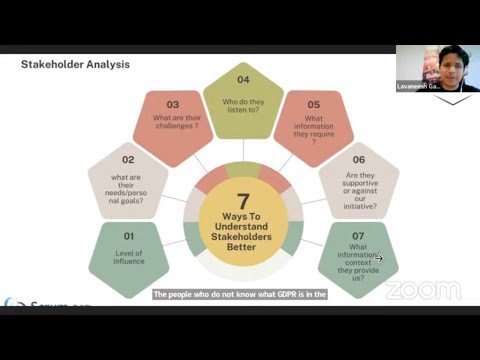
Stakeholder management is a critical component of any successful project, programme, or activity. It involves the managing of stakeholders, who are any individual, group, or organization that can affect, be affected by, or perceive itself to be affected by a programme. Effective stakeholder management requires a deep understanding of the stakeholders involved, their interests, and their levels of influence. This can be achieved through stakeholder analysis, a process that involves identifying, analyzing, and prioritizing stakeholders. For more information on stakeholder analysis, see Stakeholder Analysis. Stakeholder management is closely related to Project Management and Business Strategy.
👥 Identifying Stakeholders
Identifying stakeholders is a crucial step in stakeholder management. It involves determining who the stakeholders are, what their interests are, and how they may be affected by the project or programme. Stakeholders can be internal or external, and can include individuals, groups, or organizations. Common stakeholders include project team members, customers, suppliers, investors, and community groups. For more information on stakeholder identification, see Stakeholder Identification. Stakeholder management is also closely related to Communication Planning and Risk Management.
📊 Analyzing Stakeholder Interests
Analyzing stakeholder interests is a critical step in developing a stakeholder management strategy. It involves understanding the needs, expectations, and concerns of each stakeholder group. This can be achieved through stakeholder research, which involves gathering data and information about the stakeholders. For more information on stakeholder research, see Stakeholder Research. Stakeholder management is also closely related to Market Research and Competitor Analysis.
📈 Developing a Stakeholder Management Strategy
Developing a stakeholder management strategy involves creating a plan for engaging with stakeholders and managing their interests. This plan should take into account the needs, expectations, and concerns of each stakeholder group, as well as the resources and capabilities of the organization. For more information on stakeholder management strategy, see Stakeholder Management Strategy. Stakeholder management is closely related to Business Planning and Organizational Development.
📊 Implementing Stakeholder Engagement
Implementing stakeholder engagement involves putting the stakeholder management strategy into action. This can involve a range of activities, including communication, consultation, and collaboration. For more information on stakeholder engagement, see Stakeholder Engagement. Stakeholder management is also closely related to Public Relations and Community Outreach.
📊 Monitoring and Evaluating Stakeholder Relationships
Monitoring and evaluating stakeholder relationships is critical to ensuring the success of stakeholder management. This involves tracking the effectiveness of stakeholder engagement activities and making adjustments as needed. For more information on stakeholder relationship management, see Stakeholder Relationship Management. Stakeholder management is closely related to Customer Relationship Management and Supplier Relationship Management.
🚨 Managing Stakeholder Conflict
Managing stakeholder conflict is a critical aspect of stakeholder management. It involves identifying and addressing potential conflicts of interest between stakeholders. For more information on stakeholder conflict management, see Stakeholder Conflict Management. Stakeholder management is also closely related to Dispute Resolution and Negotiation.
📈 Best Practices in Stakeholder Management
Best practices in stakeholder management involve a range of activities, including stakeholder analysis, stakeholder engagement, and stakeholder relationship management. For more information on best practices in stakeholder management, see Best Practices in Stakeholder Management. Stakeholder management is closely related to Corporate Social Responsibility and Sustainability.
📊 Measuring Stakeholder Management Success
Measuring stakeholder management success involves tracking the effectiveness of stakeholder engagement activities and making adjustments as needed. This can involve a range of metrics, including stakeholder satisfaction, stakeholder engagement, and stakeholder retention. For more information on measuring stakeholder management success, see Measuring Stakeholder Management Success. Stakeholder management is closely related to Performance Management and Benchmarking.
🔮 Future of Stakeholder Management
The future of stakeholder management involves a range of trends and developments, including the increasing importance of stakeholder engagement, the growing role of technology in stakeholder management, and the need for more effective stakeholder conflict management. For more information on the future of stakeholder management, see Future of Stakeholder Management. Stakeholder management is closely related to Digital Transformation and Innovation Management.
📚 Case Studies in Stakeholder Management
Case studies in stakeholder management provide valuable insights into the challenges and opportunities of stakeholder management. For more information on case studies in stakeholder management, see Case Studies in Stakeholder Management. Stakeholder management is closely related to Business Case Studies and Management Case Studies.
👥 Stakeholder Management in Different Industries
Stakeholder management in different industries involves a range of unique challenges and opportunities. For example, stakeholder management in the Healthcare Industry involves managing the interests of patients, healthcare providers, and payers. For more information on stakeholder management in different industries, see Stakeholder Management in Different Industries. Stakeholder management is closely related to Industry Analysis and Competitive Analysis.
Key Facts
- Year
- 2022
- Origin
- Harvard Business Review
- Category
- Business Strategy
- Type
- Business Concept
Frequently Asked Questions
What is stakeholder management?
Stakeholder management is the managing of stakeholders of a project, programme, or activity. It involves identifying, analyzing, and prioritizing stakeholders, as well as developing a strategy for engaging with them and managing their interests. For more information on stakeholder management, see Stakeholder Management. Stakeholder management is closely related to Project Management and Business Strategy.
Who are stakeholders?
Stakeholders are any individual, group, or organization that can affect, be affected by, or perceive itself to be affected by a programme. Common stakeholders include project team members, customers, suppliers, investors, and community groups. For more information on stakeholders, see Stakeholders. Stakeholder management is also closely related to Communication Planning and Risk Management.
What is stakeholder analysis?
Stakeholder analysis is a process that involves identifying, analyzing, and prioritizing stakeholders. It involves understanding the needs, expectations, and concerns of each stakeholder group, as well as their levels of influence and interest. For more information on stakeholder analysis, see Stakeholder Analysis. Stakeholder management is closely related to Market Research and Competitor Analysis.
Why is stakeholder management important?
Stakeholder management is important because it helps to ensure the success of a project, programme, or activity. It involves managing the interests of stakeholders, which can help to build support and minimize opposition. For more information on the importance of stakeholder management, see Importance of Stakeholder Management. Stakeholder management is closely related to Business Planning and Organizational Development.
What are the benefits of stakeholder management?
The benefits of stakeholder management include improved stakeholder engagement, increased stakeholder satisfaction, and enhanced reputation. It can also help to reduce stakeholder conflict and improve the overall success of a project, programme, or activity. For more information on the benefits of stakeholder management, see Benefits of Stakeholder Management. Stakeholder management is closely related to Corporate Social Responsibility and Sustainability.
How can stakeholder management be measured?
Stakeholder management can be measured through a range of metrics, including stakeholder satisfaction, stakeholder engagement, and stakeholder retention. It can also be measured through the use of stakeholder surveys and feedback mechanisms. For more information on measuring stakeholder management, see Measuring Stakeholder Management. Stakeholder management is closely related to Performance Management and Benchmarking.
What are the challenges of stakeholder management?
The challenges of stakeholder management include managing the interests of multiple stakeholders, balancing competing demands, and addressing stakeholder conflict. It can also be challenging to engage with stakeholders and build trust. For more information on the challenges of stakeholder management, see Challenges of Stakeholder Management. Stakeholder management is closely related to Dispute Resolution and Negotiation.