
Contents
- 🎯 Introduction to Preventative Medicine
- ⚙️ How Preventative Medicine Works
- 📊 Key Facts and Statistics
- 👥 Key People and Organizations
- 🌍 Cultural Impact and Influence
- ⚡ Current State and Latest Developments
- 🤔 Controversies and Debates
- 🔮 Future Outlook and Predictions
- 💡 Practical Applications
- 📚 Related Topics and Deeper Reading
- Frequently Asked Questions
- References
- Related Topics
Overview
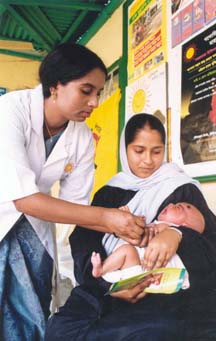
Preventative medicine, also known as preventive healthcare or prophylaxis, is a crucial aspect of healthcare that focuses on preventing diseases and promoting overall well-being. By addressing environmental factors, genetic predisposition, disease agents, and lifestyle choices, preventative medicine aims to reduce the risk of diseases and disabilities. This approach relies on anticipatory actions, including primal, primary, secondary, and tertiary prevention, and encompasses services such as screening tests, vaccines, dental cleanings, and education and counseling. With millions of people dying from preventable causes each year, preventative medicine plays a vital role in reducing mortality rates and improving public health. According to a 2004 study, approximately half of all deaths in the United States in 2000 were due to preventable behaviors and exposures, highlighting the need for increased awareness and implementation of preventative measures. The World Health Organization (WHO) and the Centers for Disease Control and Prevention (CDC) are prominent organizations that advocate for preventative medicine and provide guidelines for its implementation. By adopting a preventative approach to healthcare, individuals can significantly reduce their risk of developing chronic diseases, such as cardiovascular disease, diabetes, and certain infectious diseases, and improve their overall quality of life.
🎯 Introduction to Preventative Medicine
Preventative medicine has its roots in ancient civilizations, where people recognized the importance of maintaining good health through lifestyle choices and environmental factors. The concept of preventative medicine gained momentum in the 20th century, with the establishment of organizations such as the World Health Organization (WHO) and the Centers for Disease Control and Prevention (CDC). These organizations have played a crucial role in promoting preventative medicine and providing guidelines for its implementation. For instance, the WHO's Global Health Security initiative aims to strengthen health systems and prevent the spread of infectious diseases.
⚙️ How Preventative Medicine Works
Preventative medicine works by addressing the various factors that contribute to disease and disability. This includes primal prevention, which involves preventing the emergence of disease-causing factors, primary prevention, which focuses on preventing the onset of disease, secondary prevention, which involves early detection and treatment, and tertiary prevention, which aims to reduce the impact of disease on individuals and communities. Preventative care services, such as vaccines, dental cleanings, and health education, are essential components of preventative medicine. Additionally, screening tests can help identify potential health risks, enabling individuals to take proactive measures to prevent disease. The American Heart Association recommends regular blood pressure checks and cholesterol screening to reduce the risk of cardiovascular disease.
📊 Key Facts and Statistics
The statistics surrounding preventative medicine are compelling. According to a 2004 study, approximately half of all deaths in the United States in 2000 were due to preventable behaviors and exposures. The leading causes of preventable deaths included cardiovascular disease, chronic respiratory disease, unintentional injuries, diabetes, and certain infectious diseases. The economic burden of preventable diseases is also significant, with estimates suggesting that the United States spends over $1 trillion annually on healthcare costs related to preventable conditions. The National Institutes of Health (NIH) has launched initiatives to reduce the burden of preventable diseases, including the Precision Medicine Initiative.
👥 Key People and Organizations
Key people and organizations have played a crucial role in promoting preventative medicine. The World Health Organization (WHO) and the Centers for Disease Control and Prevention (CDC) are prominent organizations that advocate for preventative medicine and provide guidelines for its implementation. Individuals, such as Mehmet Oz, have also contributed to the promotion of preventative medicine through their work in healthcare and public health. The American Cancer Society and the American Diabetes Association are examples of organizations that provide resources and support for individuals seeking to adopt a preventative approach to healthcare.
🌍 Cultural Impact and Influence
Preventative medicine has had a significant cultural impact, with many countries adopting preventative approaches to healthcare. The Affordable Care Act in the United States, for example, has expanded access to preventative care services, including cancer screening and mental health services. The cultural influence of preventative medicine can also be seen in the growing demand for health and wellness products and services, such as fitness tracking devices and healthy eating programs. The wellness industry has become a significant sector, with an estimated global value of over $4 trillion.
⚡ Current State and Latest Developments
The current state of preventative medicine is rapidly evolving, with advances in technology and research leading to new and innovative approaches to disease prevention. The use of artificial intelligence and machine learning in healthcare, for example, has enabled the development of personalized medicine and predictive analytics. The Internet of Things (IoT) has also enabled the creation of wearable devices that can track health metrics and provide real-time feedback. The National Cancer Institute has launched initiatives to develop new cancer screening technologies, including liquid biopsy tests.
🤔 Controversies and Debates
Despite the many benefits of preventative medicine, there are also controversies and debates surrounding its implementation. Some critics argue that preventative medicine can be overly focused on individual responsibility, neglecting the role of social and environmental factors in disease prevention. Others argue that the emphasis on preventative medicine can lead to over-diagnosis and over-treatment. The American Medical Association (AMA) has addressed these concerns by promoting a more nuanced approach to preventative medicine, one that takes into account the complex interplay between individual and environmental factors.
🔮 Future Outlook and Predictions
The future outlook for preventative medicine is promising, with advances in technology and research expected to lead to new and innovative approaches to disease prevention. The use of genomics and precision medicine, for example, is expected to enable the development of personalized prevention strategies. The World Economic Forum has identified preventative medicine as a key area of focus for the future of healthcare, highlighting the need for increased investment in preventative care services and research. The Bill and Melinda Gates Foundation has launched initiatives to improve access to preventative care services in low-income countries.
💡 Practical Applications
Preventative medicine has many practical applications, from health education and counseling to screening tests and vaccines. Individuals can take a proactive approach to their health by adopting healthy lifestyle choices, such as healthy eating and regular exercise. The American Heart Association recommends at least 150 minutes of moderate-intensity aerobic exercise per week to reduce the risk of cardiovascular disease. Healthcare providers can also play a crucial role in promoting preventative medicine by providing patients with access to preventative care services and educating them about the importance of disease prevention.
Key Facts
- Year
- 2004
- Origin
- United States
- Category
- prevention
- Type
- concept
Frequently Asked Questions
What is preventative medicine?
Preventative medicine is a proactive approach to healthcare that aims to reduce the risk of diseases and disabilities. It encompasses services such as screening tests, vaccines, and health education.
Why is preventative medicine important?
Preventative medicine is important because it can help reduce mortality rates, improve quality of life, and reduce the economic burden of preventable diseases.
What are some examples of preventative care services?
Examples of preventative care services include screening tests, vaccines, dental cleanings, and health education.
How can individuals take a proactive approach to their health?
Individuals can take a proactive approach to their health by adopting healthy lifestyle choices, such as healthy eating and regular exercise, and seeking out preventative care services.
What is the role of healthcare providers in promoting preventative medicine?
Healthcare providers can play a crucial role in promoting preventative medicine by providing patients with access to preventative care services and educating them about the importance of disease prevention.
What are some controversies and debates surrounding preventative medicine?
Some controversies and debates surrounding preventative medicine include the role of individual responsibility in disease prevention and the potential for over-diagnosis and over-treatment.
What is the future outlook for preventative medicine?
The future outlook for preventative medicine is promising, with advances in technology and research expected to lead to new and innovative approaches to disease prevention.