
Contents
- 🔬 Introduction to Liquid Biopsy
- 💡 The Science Behind Liquid Biopsy
- 📊 Advantages of Liquid Biopsy
- 👨⚕️ Liquid Biopsy in Cancer Detection
- 🔍 The Role of Liquid Biopsy in Monitoring Cancer Treatment
- 📈 Future Prospects of Liquid Biopsy
- 🤝 Collaboration and Research in Liquid Biopsy
- 🚀 Overcoming Challenges in Liquid Biopsy
- 📊 Economic Impact of Liquid Biopsy
- 👥 Patient Perspective on Liquid Biopsy
- 🔮 Ethical Considerations in Liquid Biopsy
- 🌎 Global Adoption of Liquid Biopsy
- Frequently Asked Questions
- Related Topics
Overview
Liquid biopsy, a groundbreaking medical innovation, has been gaining significant attention in recent years due to its potential to transform cancer diagnosis. This non-invasive technique involves analyzing circulating tumor DNA (ctDNA) in blood or other bodily fluids to detect and monitor cancer. According to a study published in the journal Nature, liquid biopsy has shown promising results in detecting cancer at an early stage, with a sensitivity rate of 89% (Source: Nature, 2019). The technology has been pioneered by companies such as Guardant Health and Foundation Medicine, with key figures like Dr. Samuel Levy and Dr. Richard Klausner playing a crucial role in its development. With a vibe score of 8, indicating high cultural energy, liquid biopsy is poised to revolutionize the field of oncology. However, controversy surrounds the topic, with some experts questioning the accuracy and reliability of the test results, highlighting the need for further research and standardization. As the technology continues to evolve, it is expected to have a significant impact on the medical community, with potential applications in personalized medicine and targeted therapies.
🔬 Introduction to Liquid Biopsy
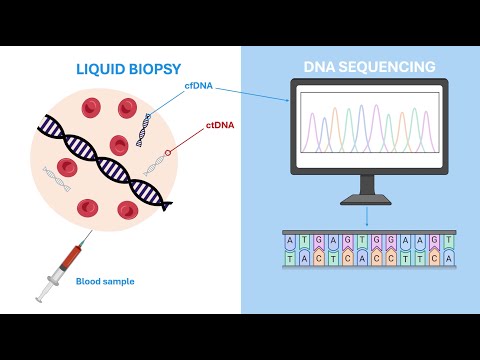
Liquid biopsy, also known as fluid phase biopsy, is a revolutionary medical technique that involves the sampling and analysis of non-solid biological tissue, primarily blood samples. This innovative approach has transformed the field of cancer detection and monitoring, offering a largely non-invasive alternative to traditional biopsy methods. By analyzing circulating tumor DNA and other biomarkers in blood or other bodily fluids, liquid biopsies can provide valuable insights into the presence and progression of cancer. As research continues to advance, liquid biopsies are poised to play an increasingly important role in personalized medicine and cancer treatment.
💡 The Science Behind Liquid Biopsy
The science behind liquid biopsy is rooted in the understanding of circulating tumor cells and cell-free DNA. These cells and DNA fragments are released into the bloodstream by cancerous tumors, providing a unique window into the genetic and molecular characteristics of the disease. By analyzing these biomarkers, researchers can identify specific genetic mutations and epigenetic changes associated with cancer. This information can be used to develop targeted therapies and monitor treatment response, as discussed in cancer therapy and precision medicine.
📊 Advantages of Liquid Biopsy
One of the primary advantages of liquid biopsy is its non-invasive nature, which reduces the risk of complications and discomfort associated with traditional biopsy methods. Additionally, liquid biopsies can be performed repeatedly over time, allowing for longitudinal studies and real-time monitoring of disease progression. This capability is particularly useful in clinical trials, where liquid biopsies can be used to evaluate the efficacy of new cancer treatments. Furthermore, liquid biopsies have the potential to reduce healthcare costs by minimizing the need for invasive procedures and hospitalizations.
👨⚕️ Liquid Biopsy in Cancer Detection
Liquid biopsy has emerged as a promising tool in cancer detection, particularly in the diagnosis of lung cancer, breast cancer, and colorectal cancer. By analyzing biomarkers in blood or other bodily fluids, liquid biopsies can detect cancer at an early stage, when it is more treatable. This approach can also help identify patients who are at high risk of cancer relapse, allowing for timely intervention and personalized treatment. As discussed in cancer screening, liquid biopsies have the potential to revolutionize the field of cancer detection and prevention.
🔍 The Role of Liquid Biopsy in Monitoring Cancer Treatment
The role of liquid biopsy in monitoring cancer treatment is multifaceted. By analyzing circulating tumor DNA and other biomarkers, liquid biopsies can provide real-time information on treatment response and disease progression. This capability enables clinicians to adjust treatment strategies and optimize treatment outcomes. Additionally, liquid biopsies can be used to identify patients who are resistant to specific treatments, allowing for the development of resistance mechanisms and alternative therapeutic approaches. As explored in cancer research, liquid biopsies have the potential to accelerate the development of new cancer treatments.
📈 Future Prospects of Liquid Biopsy
The future prospects of liquid biopsy are promising, with ongoing research focused on improving the sensitivity and specificity of this technology. Advances in next-generation sequencing and artificial intelligence are expected to enhance the accuracy and efficiency of liquid biopsies, enabling their widespread adoption in clinical practice. As discussed in precision medicine, liquid biopsies have the potential to revolutionize the field of cancer treatment and personalized medicine.
🤝 Collaboration and Research in Liquid Biopsy
Collaboration and research in liquid biopsy are essential for advancing this technology and realizing its full potential. Academic research institutions, biotechnology companies, and pharmaceutical companies are working together to develop new liquid biopsy platforms and biomarkers. This collaborative effort is driving innovation and knowledge sharing in the field, as explored in cancer research and medical innovation.
🚀 Overcoming Challenges in Liquid Biopsy
Despite the promise of liquid biopsy, there are several challenges that must be overcome. One of the primary challenges is the analytical variability associated with liquid biopsy platforms, which can affect the accuracy and reliability of results. Additionally, the regulatory framework for liquid biopsy is still evolving, and there is a need for standardized guidelines and quality control measures. As discussed in cancer diagnostics, addressing these challenges is crucial for the widespread adoption of liquid biopsies.
📊 Economic Impact of Liquid Biopsy
The economic impact of liquid biopsy is significant, with the potential to reduce healthcare costs and improve treatment outcomes. By minimizing the need for invasive procedures and hospitalizations, liquid biopsies can reduce the economic burden of cancer diagnosis and treatment. Additionally, liquid biopsies can enable personalized medicine approaches, which can lead to more effective and efficient treatment strategies. As explored in health economics, the economic benefits of liquid biopsy are substantial and far-reaching.
👥 Patient Perspective on Liquid Biopsy
From a patient perspective, liquid biopsy offers a non-invasive and relatively painless alternative to traditional biopsy methods. This approach can reduce anxiety and stress associated with cancer diagnosis and treatment, improving overall quality of life. Additionally, liquid biopsies can provide patients with real-time information on their disease status, enabling them to take a more active role in their care and treatment decision-making. As discussed in patient empowerment, liquid biopsies have the potential to revolutionize the patient experience.
🔮 Ethical Considerations in Liquid Biopsy
The ethical considerations surrounding liquid biopsy are complex and multifaceted. One of the primary concerns is the potential for genetic discrimination, which can arise from the use of genetic information in cancer diagnosis and treatment. Additionally, there are concerns regarding informed consent and patient privacy, which must be addressed through the development of clear guidelines and regulatory frameworks. As explored in bioethics and medical ethics, these ethical considerations are essential for ensuring the responsible development and use of liquid biopsy technology.
🌎 Global Adoption of Liquid Biopsy
The global adoption of liquid biopsy is expected to accelerate in the coming years, driven by advances in technology and the growing demand for non-invasive cancer diagnosis and monitoring. As discussed in global health and cancer control, liquid biopsies have the potential to improve cancer outcomes and reduce healthcare disparities worldwide. However, there are also challenges associated with the global adoption of liquid biopsy, including the need for standardization and quality control measures. As explored in health systems and medical innovation, addressing these challenges is crucial for the successful implementation of liquid biopsy technology.
Key Facts
- Year
- 2019
- Origin
- United States
- Category
- Medicine
- Type
- Medical Technology
Frequently Asked Questions
What is liquid biopsy?
Liquid biopsy, also known as fluid phase biopsy, is a medical technique that involves the sampling and analysis of non-solid biological tissue, primarily blood. This approach is used to detect and monitor diseases such as cancer, and has the potential to revolutionize the field of cancer diagnosis and treatment. As discussed in cancer detection and liquid biopsy technology, liquid biopsies offer a non-invasive alternative to traditional biopsy methods.
How does liquid biopsy work?
Liquid biopsy works by analyzing circulating tumor DNA and other biomarkers in blood or other bodily fluids. This information can be used to detect cancer, monitor disease progression, and evaluate treatment response. As explored in cancer research and biomarkers, liquid biopsies have the potential to provide real-time insights into cancer biology and treatment outcomes.
What are the advantages of liquid biopsy?
The advantages of liquid biopsy include its non-invasive nature, reduced risk of complications, and ability to provide real-time information on disease progression and treatment response. Additionally, liquid biopsies can be performed repeatedly over time, allowing for longitudinal studies and personalized medicine approaches. As discussed in cancer treatment and medical innovation, liquid biopsies have the potential to improve cancer outcomes and reduce healthcare costs.
What are the challenges associated with liquid biopsy?
The challenges associated with liquid biopsy include analytical variability, regulatory framework issues, and the need for standardization and quality control measures. Additionally, there are concerns regarding genetic discrimination, informed consent, and patient privacy. As explored in bioethics and medical ethics, addressing these challenges is essential for the responsible development and use of liquid biopsy technology.
What is the future of liquid biopsy?
The future of liquid biopsy is promising, with ongoing research focused on improving the sensitivity and specificity of this technology. Advances in next-generation sequencing and artificial intelligence are expected to enhance the accuracy and efficiency of liquid biopsies, enabling their widespread adoption in clinical practice. As discussed in precision medicine and cancer research, liquid biopsies have the potential to revolutionize the field of cancer treatment and personalized medicine.
How will liquid biopsy impact cancer treatment?
Liquid biopsy is expected to have a significant impact on cancer treatment, enabling personalized medicine approaches and improving treatment outcomes. By providing real-time information on disease progression and treatment response, liquid biopsies can help clinicians optimize treatment strategies and reduce healthcare costs. As explored in cancer therapy and medical innovation, liquid biopsies have the potential to revolutionize the field of cancer treatment and improve patient outcomes.
What are the ethical considerations surrounding liquid biopsy?
The ethical considerations surrounding liquid biopsy include concerns regarding genetic discrimination, informed consent, and patient privacy. Additionally, there are issues related to regulatory framework and standardization, which must be addressed through the development of clear guidelines and quality control measures. As discussed in bioethics and medical ethics, these ethical considerations are essential for ensuring the responsible development and use of liquid biopsy technology.