
Contents
- 🌎 Introduction to Plastic Pollution
- 📊 The Alarming Rate of Plastic Waste Generation
- 🌟 The Impact of Plastic Pollution on Wildlife
- 🌿 The Role of Microplastics in the Environment
- 🚮 The Problem of Mismanaged Waste
- 🌊 The Journey of Plastic Pollution through Food Webs
- 🏭 The Chemical Structure of Plastics and Degradation
- 📈 The Economic and Social Implications of Plastic Pollution
- 🌟 The Connection between Plastic Pollution and Human Health
- 🌎 The Global Response to the Plastic Pollution Pandemic
- 🔬 The Science behind Plastic Pollution and its Effects
- 🌈 The Future of Plastic Pollution and Potential Solutions
- Frequently Asked Questions
- Related Topics
Overview
Plastic pollution has become a ubiquitous issue, with over 8 million tons of plastic waste entering the world's oceans every year, harming marine life and contaminating the food chain. The problem is exacerbated by the fact that plastic takes hundreds of years to decompose, and its production is projected to increase by 40% in the next decade. The impact of plastic pollution is not limited to the environment, as it also affects human health, with studies suggesting that ingesting microplastics can lead to cancer, reproductive issues, and other health problems. Despite growing awareness and efforts to reduce plastic use, the scale of the problem remains daunting, with some estimates suggesting that there will be more plastic than fish in the ocean by 2050. The controversy surrounding plastic pollution is further complicated by the role of major corporations, such as ExxonMobil and Coca-Cola, which have been accused of contributing to the problem through their production and disposal practices. As the world grapples with this crisis, it is clear that a fundamental transformation of our relationship with plastic is necessary to mitigate the damage and ensure a sustainable future.
🌎 Introduction to Plastic Pollution
The plastic pollution pandemic is a pressing issue that affects not only the environment but also human health and the economy. Plastic pollution is the accumulation of plastic objects and particles in the Earth's environment that adversely affects humans, wildlife, and their habitat. According to the United Nations Environment Programme, the world generates over 300 million tons of plastic waste every year. Environmental science plays a crucial role in understanding the impact of plastic pollution on the environment and human health. The chemical structure of most plastics renders them resistant to many natural processes of degradation, making them slow to degrade.
📊 The Alarming Rate of Plastic Waste Generation
The alarming rate of plastic waste generation is a major concern. Plastic waste is categorized by size into micro-, meso-, or macro debris. Microplastics, which are smaller than 5 millimeters, are particularly problematic as they can be ingested by small animals and enter the food chain. Marine biology studies have shown that microplastics are found in over 80% of tap water samples worldwide. The production of plastic has increased significantly over the years, with over 8 billion tons of plastic waste generated since the 1950s. Sustainability is key to reducing plastic waste and mitigating its impact on the environment.
🌟 The Impact of Plastic Pollution on Wildlife
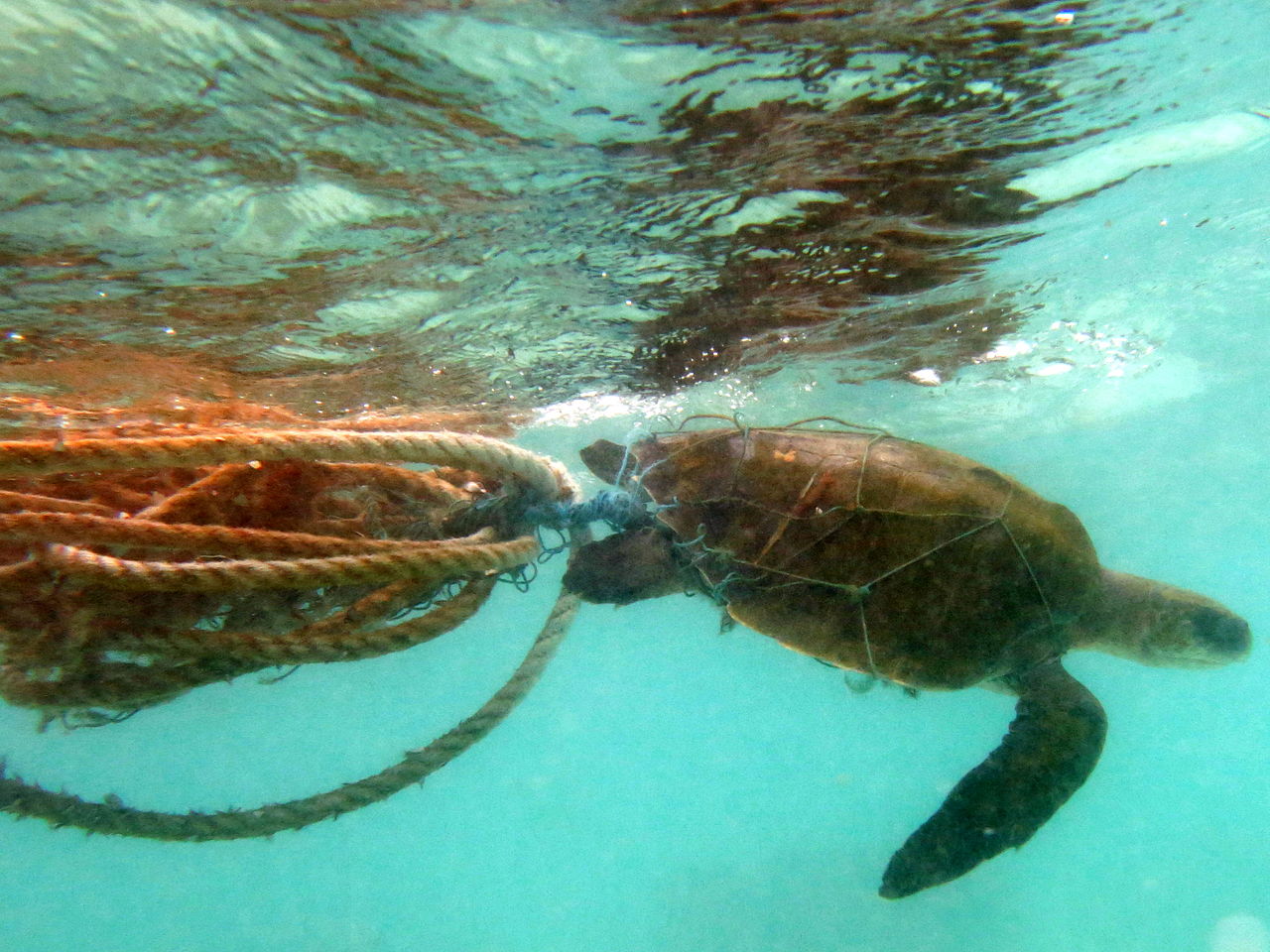
The impact of plastic pollution on wildlife is devastating. Wildlife conservation efforts are hindered by the presence of plastic debris in the environment. Many animals, including birds, fish, and turtles, ingest plastic debris, which can cause blockages, nutrient deficiencies, and even death. Ecology studies have shown that plastic pollution affects not only individual species but also entire ecosystems. The World Wildlife Fund estimates that over 100,000 marine animals are killed by plastic pollution every year. Biodiversity is essential for maintaining healthy ecosystems, and plastic pollution is a major threat to biodiversity.
🌿 The Role of Microplastics in the Environment
Microplastics play a significant role in the environment. Microplastics are found in a wide range of products, including cosmetics, clothing, and packaging materials. They are also generated through the breakdown of larger plastic debris. Environmental toxicology studies have shown that microplastics can leach chemicals into the environment, which can have toxic effects on animals and humans. The National Institute of Environmental Health Sciences has found that microplastics are present in over 90% of bottled water samples. Water pollution is a major concern, and microplastics are a significant contributor to this problem.
🚮 The Problem of Mismanaged Waste
Mismanaged waste is a major problem. Waste management is critical to reducing plastic pollution. However, many countries lack adequate waste management infrastructure, leading to the accumulation of plastic waste in the environment. Sustainable development requires effective waste management practices. The World Health Organization estimates that over 2 billion people worldwide lack access to proper waste management facilities. Public health is at risk due to the presence of plastic pollution in the environment.
🌊 The Journey of Plastic Pollution through Food Webs
Plastic pollution travels throughout food webs. Food webs are complex networks of relationships between species that eat and are eaten by other species. Marine ecology studies have shown that plastic pollution can enter food webs through the ingestion of plastic debris by small animals. These animals are then eaten by larger animals, which can accumulate plastic debris in their bodies. Toxicology studies have shown that plastic pollution can have toxic effects on animals and humans. The Food and Agriculture Organization of the United Nations estimates that over 1 billion people rely on fish as their primary source of protein.
🏭 The Chemical Structure of Plastics and Degradation
The chemical structure of plastics renders them resistant to degradation. Polymer chemistry plays a crucial role in understanding the properties of plastics. Most plastics are made from non-renewable resources, such as petroleum, and are designed to be durable and long-lasting. However, this durability also makes them resistant to natural processes of degradation. Biodegradation is the process by which microorganisms break down organic matter. However, plastics are not biodegradable and can persist in the environment for hundreds of years. Materials science is essential for developing new materials that are biodegradable and sustainable.
🌟 The Connection between Plastic Pollution and Human Health
The connection between plastic pollution and human health is a major concern. Human health is at risk due to the presence of plastic pollution in the environment. Toxicology studies have shown that plastic pollution can have toxic effects on humans, including cancer, reproductive problems, and neurological damage. The World Health Organization has identified plastic pollution as a major public health concern. Environmental health is essential for promoting human health and well-being.
🌎 The Global Response to the Plastic Pollution Pandemic
The global response to the plastic pollution pandemic is critical. Global governance is essential for addressing plastic pollution. The United Nations has launched several initiatives to reduce plastic pollution, including the Clean Seas campaign. Sustainable development requires international cooperation and collective action. The G20 has also launched initiatives to reduce plastic pollution, including the G20 Plastic Waste initiative.
🔬 The Science behind Plastic Pollution and its Effects
The science behind plastic pollution and its effects is complex. Environmental science plays a crucial role in understanding the impact of plastic pollution on the environment and human health. Ecology studies have shown that plastic pollution affects not only individual species but also entire ecosystems. The National Science Foundation has funded several research projects to study the effects of plastic pollution on the environment. Scientific research is essential for developing effective solutions to plastic pollution.
🌈 The Future of Plastic Pollution and Potential Solutions
The future of plastic pollution and potential solutions are critical. Sustainable future requires reducing plastic pollution and promoting sustainable development. Circular economy practices are essential for reducing waste and promoting recycling. The Ellen MacArthur Foundation has launched several initiatives to promote a circular economy, including the New Plastics Economy initiative. Innovation is key to developing new technologies and solutions to plastic pollution.
Key Facts
- Year
- 2023
- Origin
- First identified as a major issue in the 1970s, but has gained significant attention in recent years
- Category
- Environmental Science
- Type
- Environmental Issue
Frequently Asked Questions
What is plastic pollution?
Plastic pollution is the accumulation of plastic objects and particles in the Earth's environment that adversely affects humans, wildlife, and their habitat. It is a major environmental concern that affects not only the environment but also human health and the economy. Plastic pollution is categorized by size into micro-, meso-, or macro debris. The chemical structure of most plastics renders them resistant to many natural processes of degradation, making them slow to degrade.
What are the effects of plastic pollution on wildlife?
The effects of plastic pollution on wildlife are devastating. Many animals, including birds, fish, and turtles, ingest plastic debris, which can cause blockages, nutrient deficiencies, and even death. Wildlife conservation efforts are hindered by the presence of plastic debris in the environment. The World Wildlife Fund estimates that over 100,000 marine animals are killed by plastic pollution every year.
What is the role of microplastics in the environment?
Microplastics play a significant role in the environment. They are found in a wide range of products, including cosmetics, clothing, and packaging materials. Microplastics are also generated through the breakdown of larger plastic debris. The National Institute of Environmental Health Sciences has found that microplastics are present in over 90% of bottled water samples.
What are the economic and social implications of plastic pollution?
The economic and social implications of plastic pollution are significant. Economics studies have shown that plastic pollution can have major economic impacts, including the loss of tourism revenue and the costs of cleaning up plastic debris. Social justice is also a concern, as plastic pollution disproportionately affects vulnerable communities. The World Bank estimates that plastic pollution costs the global economy over $2.2 billion every year.
What is the connection between plastic pollution and human health?
The connection between plastic pollution and human health is a major concern. Human health is at risk due to the presence of plastic pollution in the environment. Toxicology studies have shown that plastic pollution can have toxic effects on humans, including cancer, reproductive problems, and neurological damage. The World Health Organization has identified plastic pollution as a major public health concern.
What is the global response to the plastic pollution pandemic?
The global response to the plastic pollution pandemic is critical. Global governance is essential for addressing plastic pollution. The United Nations has launched several initiatives to reduce plastic pollution, including the Clean Seas campaign. Sustainable development requires international cooperation and collective action.
What is the science behind plastic pollution and its effects?
The science behind plastic pollution and its effects is complex. Environmental science plays a crucial role in understanding the impact of plastic pollution on the environment and human health. Ecology studies have shown that plastic pollution affects not only individual species but also entire ecosystems. The National Science Foundation has funded several research projects to study the effects of plastic pollution on the environment.