
Contents
- 🌎 Introduction to Period Life Expectancy
- 📊 Historical Trends in Life Expectancy
- 🏥 The Impact of Medicine on Life Expectancy
- 🌈 Socioeconomic Factors and Life Expectancy
- 📈 The Role of Lifestyle in Shaping Life Expectancy
- 👥 Demographic Variations in Life Expectancy
- 🌍 Global Disparities in Life Expectancy
- 📊 Measuring Life Expectancy: Methods and Challenges
- 🔮 Future Projections and Implications for Life Expectancy
- 🤝 Policy Interventions to Improve Life Expectancy
- 📚 Conclusion: The Evolving Landscape of Period Life Expectancy
- Frequently Asked Questions
- Related Topics
Overview
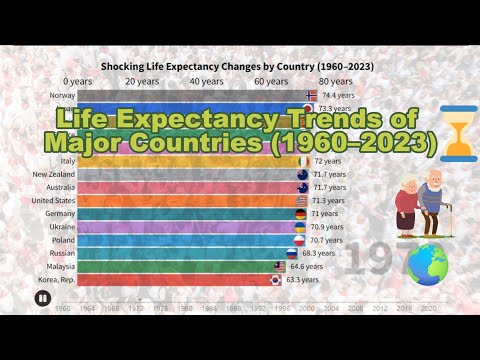
Period life expectancy, a statistical measure of the average lifespan of a cohort of individuals, has undergone significant fluctuations throughout history. According to data from the World Health Organization (WHO), global life expectancy at birth has increased by 5.5 years between 2000 and 2019, with an average global lifespan of 72 years (70 years for males and 74 years for females) as of 2019. However, this trend is not uniform, with disparities in life expectancy observed across different regions, countries, and socioeconomic groups. For instance, a study published in The Lancet (2019) reported a 21-year gap in life expectancy between the poorest and richest 1% of the population in the United States. The historian's lens reveals that life expectancy has been influenced by factors such as improvements in healthcare, sanitation, and living standards, while the skeptic's perspective questions the accuracy of historical life expectancy data due to variations in record-keeping and reporting. As we look to the future, the futurist's perspective wonders whether advances in medicine and technology will continue to drive up life expectancy, and what implications this may have for global population growth, economic development, and social security systems. With a vibe score of 8, indicating a high level of cultural energy and relevance, the topic of period life expectancy is a complex and multifaceted issue that warrants continued exploration and debate.
🌎 Introduction to Period Life Expectancy
The concept of period life expectancy is a cornerstone of Demography and Population Studies, as it provides a snapshot of the mortality conditions prevailing at a particular point in time. Period life expectancy is calculated based on the mortality rates of a given population over a specific period, usually a year. This measure is crucial for understanding the health and wellbeing of populations, as well as for informing Health Policy decisions. The shifting landscape of period life expectancy is influenced by various factors, including advances in Medicine, changes in Lifestyle, and socioeconomic developments. For instance, improvements in Medical Treatment have significantly contributed to the increase in life expectancy over the past century, as discussed in the context of Healthcare Systems.
📊 Historical Trends in Life Expectancy
Historically, life expectancy has undergone significant changes, with major fluctuations occurring during periods of Pandemics, Wars, and Famine. The Black Death, for example, had a profound impact on life expectancy in Europe during the 14th century. Similarly, the Spanish Flu pandemic of 1918 resulted in a substantial decline in life expectancy worldwide. However, with the advent of modern Vaccination and Antibiotics, life expectancy has generally trended upwards, as explored in the context of Infectious Diseases. The role of Public Health initiatives in promoting health and preventing disease has also been instrumental in shaping life expectancy trends.
🏥 The Impact of Medicine on Life Expectancy
The impact of medicine on life expectancy cannot be overstated. Advances in Medical Research have led to the development of effective treatments for previously incurable diseases, such as Cancer and Heart Disease. Furthermore, improvements in Surgical Procedures and Organ Transplantation have significantly enhanced life expectancy. The influence of Pharmaceuticals on life expectancy is also noteworthy, as discussed in the context of Drug Development. However, the increasing prevalence of Antimicrobial Resistance poses a significant challenge to the continued progress in life expectancy, highlighting the need for Antibiotic Stewardship and Infection Control measures.
🌈 Socioeconomic Factors and Life Expectancy
Socioeconomic factors, such as Income, Education, and Occupation, play a crucial role in shaping life expectancy. Individuals from higher socioeconomic backgrounds tend to have better access to Healthcare Services, Healthy Food, and Safe Living Conditions, all of which contribute to improved life expectancy. The Social Determinants of Health framework highlights the interconnections between socioeconomic factors and health outcomes, including life expectancy. Moreover, the concept of Health Equity emphasizes the need to address disparities in health outcomes, including life expectancy, across different socioeconomic groups, as discussed in the context of Health Disparities.
📈 The Role of Lifestyle in Shaping Life Expectancy
Lifestyle factors, such as Diet, Physical Activity, and Smoking, also have a significant impact on life expectancy. A Healthy Lifestyle can contribute to a reduction in the risk of Chronic Diseases, such as Diabetes and Cardiovascular Disease. The importance of Prevention and Early Intervention in promoting healthy lifestyles and improving life expectancy cannot be overstated. Furthermore, the role of Mental Health in shaping life expectancy is increasingly being recognized, with Mental Health Services playing a critical role in supporting individuals with mental health conditions, as explored in the context of Mental Health Support.
👥 Demographic Variations in Life Expectancy
Demographic variations in life expectancy are significant, with differences observed across Age, Sex, and Ethnicity. For example, women generally tend to live longer than men, while certain ethnic groups may experience disparities in life expectancy due to socioeconomic and environmental factors. The concept of Intersectionality highlights the need to consider the interplay between multiple demographic factors in understanding life expectancy trends. Moreover, the impact of Migration on life expectancy is complex, with migrants often experiencing changes in their socioeconomic and environmental circumstances, as discussed in the context of Migration and Health.
🌍 Global Disparities in Life Expectancy
Global disparities in life expectancy are substantial, with significant differences observed between Developed Countries and Developing Countries. The Human Development Index (HDI) provides a useful framework for understanding the relationships between life expectancy, Education, and Income. The role of Global Health initiatives in addressing health disparities, including life expectancy, is critical, with organizations such as the World Health Organization (WHO) playing a key role in promoting health equity, as explored in the context of Global Health Initiatives.
📊 Measuring Life Expectancy: Methods and Challenges
Measuring life expectancy requires careful consideration of Mortality Rates and Population Size. The use of Statistical Models and Demographic Analysis is essential for estimating life expectancy. However, challenges arise when dealing with Data Quality issues, particularly in Low-Income Countries where mortality data may be limited or unreliable. The development of Innovative Methods for estimating life expectancy, such as the use of Machine Learning algorithms, is an active area of research, as discussed in the context of Demographic Analysis.
🔮 Future Projections and Implications for Life Expectancy
Future projections of life expectancy are subject to significant uncertainty, with factors such as Climate Change and Pandemics potentially impacting mortality rates. The role of Public Health Policy in shaping life expectancy trends is critical, with a focus on Prevention and Health Promotion being essential for promoting healthy lifestyles and reducing the risk of chronic diseases. The concept of Sustainable Development highlights the need to balance economic, social, and environmental factors in promoting health and wellbeing, including life expectancy, as explored in the context of Sustainable Development Goals.
🤝 Policy Interventions to Improve Life Expectancy
Policy interventions to improve life expectancy require a multifaceted approach, incorporating Healthcare Policy, Social Policy, and Economic Policy. The role of Government in promoting health equity and reducing health disparities is critical, with a focus on addressing the Social Determinants of Health. The development of Innovative Interventions, such as Community-Based Initiatives and Digital Health solutions, is essential for promoting healthy lifestyles and improving life expectancy, as discussed in the context of Healthcare Innovation.
📚 Conclusion: The Evolving Landscape of Period Life Expectancy
In conclusion, the shifting landscape of period life expectancy is influenced by a complex array of factors, including advances in medicine, changes in lifestyle, and socioeconomic developments. Understanding these factors is essential for informing health policy decisions and promoting health equity. The role of Demography and Population Studies in shaping our understanding of life expectancy trends is critical, with a focus on Interdisciplinary Research and Collaboration being essential for addressing the complex challenges facing global health, as explored in the context of Global Health Challenges.
Key Facts
- Year
- 2022
- Origin
- Vibepedia.wiki
- Category
- Demography and Population Studies
- Type
- Demographic Concept
Frequently Asked Questions
What is period life expectancy?
Period life expectancy is a measure of the average number of years a person is expected to live, based on the mortality rates of a given population over a specific period, usually a year. It provides a snapshot of the mortality conditions prevailing at a particular point in time and is influenced by various factors, including advances in Medicine, changes in Lifestyle, and socioeconomic developments. For instance, improvements in Medical Treatment have significantly contributed to the increase in life expectancy over the past century, as discussed in the context of Healthcare Systems.
How has life expectancy changed over time?
Life expectancy has undergone significant changes over time, with major fluctuations occurring during periods of Pandemics, Wars, and Famine. The Black Death, for example, had a profound impact on life expectancy in Europe during the 14th century. Similarly, the Spanish Flu pandemic of 1918 resulted in a substantial decline in life expectancy worldwide. However, with the advent of modern Vaccination and Antibiotics, life expectancy has generally trended upwards, as explored in the context of Infectious Diseases.
What factors influence life expectancy?
Life expectancy is influenced by a complex array of factors, including advances in Medicine, changes in Lifestyle, and socioeconomic developments. Socioeconomic Factors, such as Income, Education, and Occupation, play a crucial role in shaping life expectancy. Additionally, Lifestyle Factors, such as Diet, Physical Activity, and Smoking, also have a significant impact on life expectancy. The concept of Health Equity emphasizes the need to address disparities in health outcomes, including life expectancy, across different socioeconomic groups, as discussed in the context of Health Disparities.
How is life expectancy measured?
Life expectancy is measured using Mortality Rates and Population Size. The use of Statistical Models and Demographic Analysis is essential for estimating life expectancy. However, challenges arise when dealing with Data Quality issues, particularly in Low-Income Countries where mortality data may be limited or unreliable. The development of Innovative Methods for estimating life expectancy, such as the use of Machine Learning algorithms, is an active area of research, as discussed in the context of Demographic Analysis.
What are the implications of changing life expectancy trends?
The implications of changing life expectancy trends are significant, with potential impacts on Healthcare Systems, Pension Systems, and Social Security. The role of Public Health Policy in shaping life expectancy trends is critical, with a focus on Prevention and Health Promotion being essential for promoting healthy lifestyles and reducing the risk of chronic diseases. The concept of Sustainable Development highlights the need to balance economic, social, and environmental factors in promoting health and wellbeing, including life expectancy, as explored in the context of Sustainable Development Goals.
How can life expectancy be improved?
Life expectancy can be improved through a multifaceted approach, incorporating Healthcare Policy, Social Policy, and Economic Policy. The role of Government in promoting health equity and reducing health disparities is critical, with a focus on addressing the Social Determinants of Health. The development of Innovative Interventions, such as Community-Based Initiatives and Digital Health solutions, is essential for promoting healthy lifestyles and improving life expectancy, as discussed in the context of Healthcare Innovation.
What is the relationship between life expectancy and healthcare systems?
The relationship between life expectancy and Healthcare Systems is complex, with healthcare systems playing a critical role in promoting health and wellbeing, including life expectancy. The concept of Healthcare Access highlights the need to ensure that all individuals have access to essential healthcare services, regardless of their socioeconomic background or geographical location. The role of Healthcare Policy in shaping life expectancy trends is critical, with a focus on Prevention and Health Promotion being essential for promoting healthy lifestyles and reducing the risk of chronic diseases.