
Contents
- 🏛️ Introduction to Paris Pantheon
- 📆 History of the Paris Pantheon
- 🏗️ Architectural Significance
- 👥 Cultural Impact and Symbolism
- 💀 Famous Interments and Burials
- 🤝 Influence on French Identity
- 🌎 Global Recognition and Tourism
- 📚 Literary and Artistic Connections
- 🎨 Restoration and Preservation Efforts
- 👻 Paranormal Activity and Legends
- 📸 Photography and Media Representation
- 👍 Conclusion and Legacy
- Frequently Asked Questions
- Related Topics
Overview
The Paris Pantheon, built between 1758 and 1790, is a mausoleum and a monument to the great men and women of France, with a vibe score of 82. Designed by Jacques-Germain Soufflot and Jean-Baptiste Rondelet, it was originally intended as a church dedicated to Saint Genevieve, but was later converted into a pantheon during the French Revolution. The building's neoclassical architecture, inspired by the Pantheon in Rome, features a large dome that rises 83 meters above the city. The Pantheon is the final resting place of many notable French figures, including Voltaire, Jean-Jacques Rousseau, and Victor Hugo, with over 70 individuals interred within its walls. The Pantheon has been the subject of controversy and debate throughout its history, with some arguing that it has become too commercialized and lost its original purpose as a symbol of French culture and history. As of 2022, the Pantheon continues to be an important cultural and historical landmark in Paris, attracting over 1 million visitors per year.
🏛️ Introduction to Paris Pantheon
The Paris Pantheon, located in the heart of the Latin Quarter, is a magnificent monument that embodies the rich history and cultural heritage of France. As a former church, it was originally dedicated to Saint Genevieve, the patron saint of Paris. Over the years, it has undergone significant transformations, reflecting the changing values and ideologies of the French nation. Today, the Pantheon is a secular mausoleum, honoring the memory of France's most illustrious citizens, including Voltaire, Jean-Jacques Rousseau, and Victor Hugo. The Pantheon's stunning architecture, designed by Jacques-Germain Soufflot, is a masterpiece of Neoclassicism. Its imposing dome, inspired by St. Peter's Basilica in Rome, has become an iconic symbol of Parisian landscape.
📆 History of the Paris Pantheon
The history of the Paris Pantheon dates back to 1758, when King Louis XV commissioned the construction of a new church to replace the ancient Abbey of Saint Genevieve. The project was entrusted to the renowned architect Jacques-Germain Soufflot, who envisioned a grandiose building that would surpass the beauty of ancient Greek and Roman temples. The construction of the Pantheon was marked by significant delays and financial struggles, but it was finally completed in 1790, just before the outbreak of the French Revolution. During this tumultuous period, the Pantheon was converted into a secular mausoleum, dedicated to the memory of France's greatest heroes, including Marie Curie and Louis Braille. The Pantheon's history is deeply intertwined with the French Revolution and the Reign of Terror.
🏗️ Architectural Significance
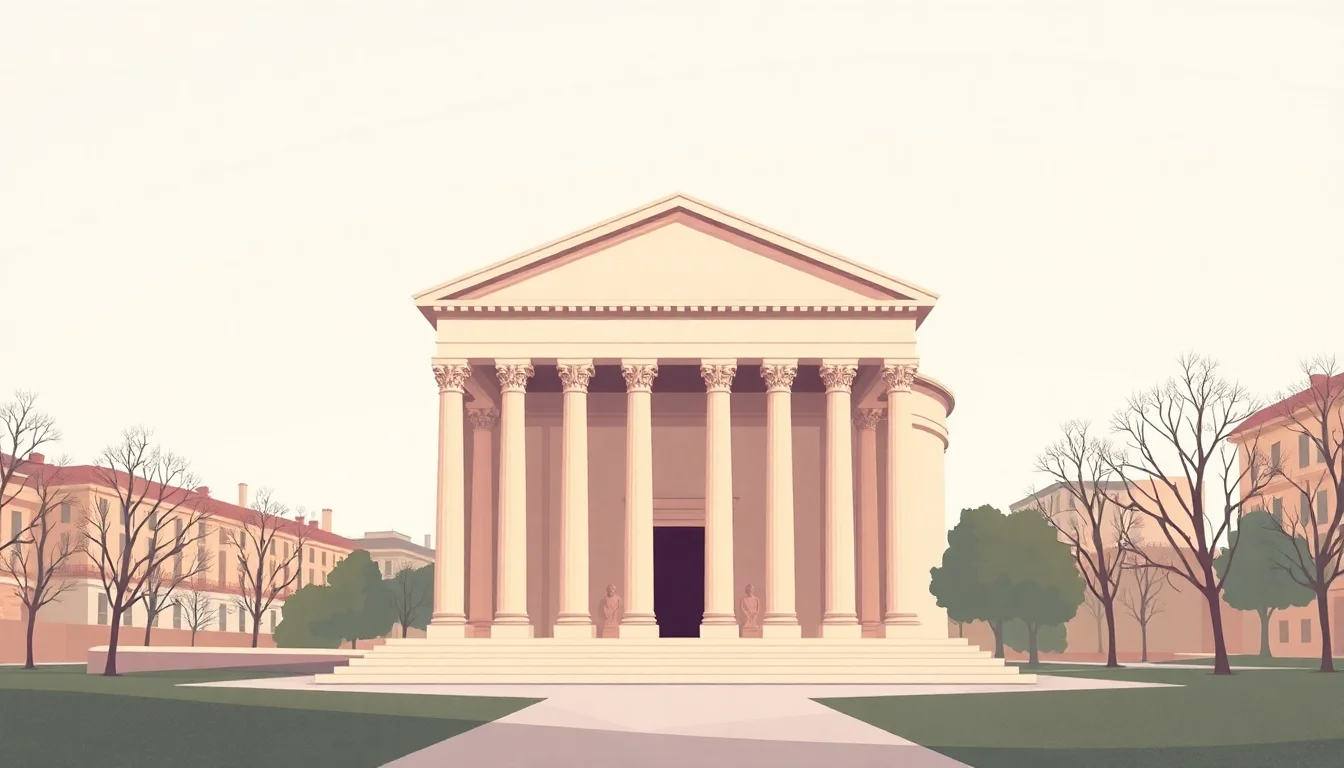
The Paris Pantheon is an exemplary model of Neoclassical architecture, characterized by its grandiose proportions, classical orders, and imposing dome. The building's design was influenced by the works of ancient Greek and Roman architects, such as Leon Battista Alberti and Donato Bramante. The Pantheon's facade, adorned with Corinthian columns, is a masterpiece of Classical order and proportion. The interior of the building features a stunning nave, lined with marble statues and ornate decorations, including works by famous artists like François Rude. The Pantheon's architecture has inspired countless other buildings and monuments around the world, including the United States Capitol in Washington, D.C.
👥 Cultural Impact and Symbolism
The Paris Pantheon has had a profound impact on French culture and identity, symbolizing the nation's values of Liberty, Equality, Fraternity. The building has been the site of numerous historic events, including the funeral of Victor Hugo in 1885, which drew over two million mourners. The Pantheon has also been a source of inspiration for countless artists, writers, and intellectuals, including Émile Zola and Gustave Flaubert. Today, the Pantheon is a popular tourist destination, attracting millions of visitors each year. The building's cultural significance extends beyond France, representing a symbol of European culture and Western civilization. The Pantheon has been recognized as a UNESCO World Heritage Site since 1991.
💀 Famous Interments and Burials
The Paris Pantheon is the final resting place of many famous French citizens, including Voltaire, Jean-Jacques Rousseau, and Victor Hugo. Other notable interments include Marie Curie, the first woman to win a Nobel Prize, and Louis Braille, the inventor of the Braille system. The Pantheon's crypt, located beneath the main floor, contains the tombs of these illustrious individuals, as well as several other notable French citizens. The process of being interred in the Pantheon is highly selective, with only a handful of individuals being honored each year. The decision to inter someone in the Pantheon is made by the French government, and is typically reserved for individuals who have made significant contributions to French culture, science, or politics.
🤝 Influence on French Identity
The Paris Pantheon has played a significant role in shaping French identity and national pride. The building has been a symbol of French culture and history, representing the nation's values of Liberty, Equality, Fraternity. The Pantheon has also been a source of inspiration for French artists, writers, and intellectuals, including Claude Monet and Pierre-Auguste Renoir. Today, the Pantheon is a popular tourist destination, attracting millions of visitors each year. The building's influence extends beyond France, representing a symbol of European culture and Western civilization. The Pantheon has been recognized as a UNESCO World Heritage Site since 1991, solidifying its status as a global cultural icon.
🌎 Global Recognition and Tourism
The Paris Pantheon is one of the most recognizable landmarks in the world, attracting millions of visitors each year. The building's stunning architecture and rich history have made it a popular destination for tourists and history buffs alike. The Pantheon has been featured in numerous films, literature, and art, including works by famous artists like Claude Monet and Pierre-Auguste Renoir. The building's global recognition has also made it a symbol of French culture and identity, representing the nation's values of Liberty, Equality, Fraternity. The Pantheon has been recognized as a UNESCO World Heritage Site since 1991, solidifying its status as a global cultural icon.
📚 Literary and Artistic Connections
The Paris Pantheon has been a source of inspiration for countless artists, writers, and intellectuals, including Émile Zola and Gustave Flaubert. The building's stunning architecture and rich history have made it a popular subject for literature and art, including works by famous artists like Claude Monet and Pierre-Auguste Renoir. The Pantheon has also been featured in numerous films, including Amélie and Midnight in Paris. The building's cultural significance extends beyond France, representing a symbol of European culture and Western civilization. The Pantheon has been recognized as a UNESCO World Heritage Site since 1991.
🎨 Restoration and Preservation Efforts
The Paris Pantheon has undergone significant restoration and preservation efforts over the years, ensuring the building's stability and longevity. The most recent restoration project, completed in 2020, focused on repairing the building's dome and facade, as well as upgrading its security and accessibility features. The project was led by the French government, in collaboration with the UNESCO and the International Council on Monuments and Sites. The restoration efforts have helped to preserve the Pantheon's stunning architecture and rich history, ensuring that the building remains a vibrant cultural icon for generations to come.
👻 Paranormal Activity and Legends
The Paris Pantheon is said to be haunted by the ghosts of former French presidents and other notable figures, including Napoleon Bonaparte and Marie Antoinette. According to legend, the building's crypt is home to a number of paranormal entities, including the spirit of Voltaire. Visitors to the Pantheon have reported strange occurrences, including unexplained noises and ghostly apparitions. While the existence of paranormal activity is not supported by scientific evidence, the Pantheon's spooky atmosphere and rich history have made it a popular destination for ghost hunters and thrill seekers.
📸 Photography and Media Representation
The Paris Pantheon has been extensively photographed and featured in various forms of media, including films, literature, and art. The building's stunning architecture and rich history have made it a popular subject for photographers, including famous artists like Ansel Adams and Henri Cartier-Bresson. The Pantheon has also been featured in numerous films, including Amélie and Midnight in Paris. The building's cultural significance extends beyond France, representing a symbol of European culture and Western civilization. The Pantheon has been recognized as a UNESCO World Heritage Site since 1991.
👍 Conclusion and Legacy
In conclusion, the Paris Pantheon is a magnificent monument that embodies the rich history and cultural heritage of France. As a former church, it was originally dedicated to Saint Genevieve, the patron saint of Paris. Today, the Pantheon is a secular mausoleum, honoring the memory of France's most illustrious citizens, including Voltaire, Jean-Jacques Rousseau, and Victor Hugo. The Pantheon's stunning architecture, designed by Jacques-Germain Soufflot, is a masterpiece of Neoclassicism. Its imposing dome, inspired by St. Peter's Basilica in Rome, has become an iconic symbol of Parisian landscape.
Key Facts
- Year
- 1790
- Origin
- Paris, France
- Category
- History, Architecture, Culture
- Type
- Historical Landmark
Frequently Asked Questions
What is the Paris Pantheon?
The Paris Pantheon is a magnificent monument that embodies the rich history and cultural heritage of France. As a former church, it was originally dedicated to Saint Genevieve, the patron saint of Paris. Today, the Pantheon is a secular mausoleum, honoring the memory of France's most illustrious citizens, including Voltaire, Jean-Jacques Rousseau, and Victor Hugo.
Who is buried in the Paris Pantheon?
The Paris Pantheon is the final resting place of many famous French citizens, including Voltaire, Jean-Jacques Rousseau, and Victor Hugo. Other notable interments include Marie Curie, the first woman to win a Nobel Prize, and Louis Braille, the inventor of the Braille system.
What is the architectural style of the Paris Pantheon?
The Paris Pantheon is an exemplary model of Neoclassical architecture, characterized by its grandiose proportions, classical orders, and imposing dome. The building's design was influenced by the works of ancient Greek and Roman architects, such as Leon Battista Alberti and Donato Bramante.
Is the Paris Pantheon a UNESCO World Heritage Site?
Yes, the Paris Pantheon has been recognized as a UNESCO World Heritage Site since 1991, solidifying its status as a global cultural icon.
Can I visit the Paris Pantheon?
Yes, the Paris Pantheon is open to the public and offers guided tours. Visitors can explore the building's stunning architecture, learn about its rich history, and pay respects to the famous French citizens buried there.
How do I get to the Paris Pantheon?
The Paris Pantheon is located in the heart of the Latin Quarter, and can be easily accessed by public transportation, including the Paris Metro and bus. The nearest metro station is Maubert-Mutualité.
What are the opening hours of the Paris Pantheon?
The Paris Pantheon is open daily from 10am to 6pm, with extended hours during the summer months. It is closed on January 1, May 1, and December 25.