
Contents
- 🌟 Introduction to Omics
- 🧬 The Branches of Omics
- 📊 Data Science in Omics
- 🔍 Applications of Omics
- 🌐 Omics and Personalized Medicine
- 👥 Collaborations and Challenges
- 📈 The Future of Omics
- 📊 Omics and Artificial Intelligence
- 🔬 Omics and Systems Biology
- 🌈 Omics and Synthetic Biology
- 📚 Omics Education and Training
- Frequently Asked Questions
- Related Topics
Overview
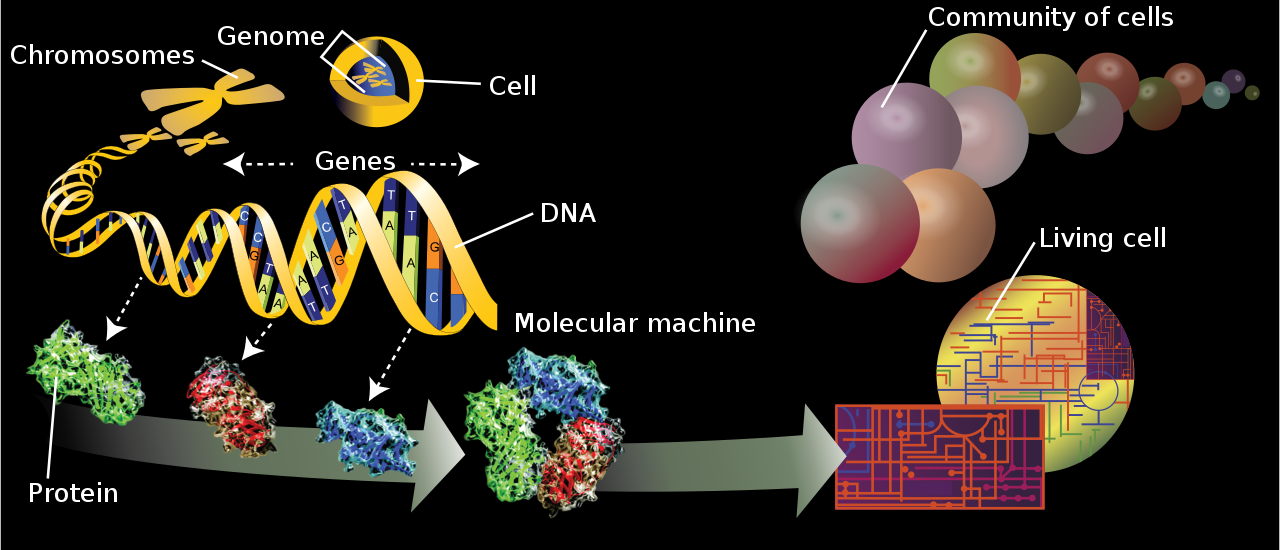
Omics, a term coined by scientists in the 1990s, refers to the comprehensive study of biological molecules, such as genes, proteins, and metabolites. With the advent of high-throughput sequencing and mass spectrometry, omics has revolutionized our understanding of biological systems, enabling researchers to analyze vast amounts of data and identify patterns that were previously unknown. Genomics, the study of genomes, has been a major driver of omics research, with the Human Genome Project (completed in 2003) being a landmark achievement. However, other omics fields, such as proteomics, transcriptomics, and metabolomics, have also gained significant attention in recent years. As omics continues to evolve, it is likely to have a profound impact on our understanding of human disease, personalized medicine, and the development of novel therapies. With a Vibe score of 85, omics is an area of research that is rapidly advancing and has the potential to transform the field of biology, with key contributors including scientists like David Haussler, who has made significant contributions to the field of genomics, and companies like Illumina, which has developed cutting-edge sequencing technologies.
🌟 Introduction to Omics
The field of omics, also known as the collective characterization and quantification of entire sets of biological molecules, has revolutionized the way we understand the structure, function, and dynamics of organisms. Omics encompasses various disciplines in biology, including Genomics, Proteomics, Metabolomics, Metagenomics, Phenomics, and Transcriptomics. These branches of science aim to investigate how biological molecules interact and influence the behavior of an organism or group of organisms. For instance, Genomics focuses on the study of genomes, while Proteomics examines the proteome, which is the entire set of proteins produced by an organism. The integration of omics with Data Science has enabled researchers to analyze and interpret large amounts of biological data, leading to new insights and discoveries.
🧬 The Branches of Omics
The various branches of omics are interconnected and often overlap. For example, Genomics and Proteomics are closely related, as the study of genes and their expression is crucial for understanding protein function and regulation. Similarly, Metabolomics and Metagenomics are related, as the study of metabolites and microbial communities is essential for understanding the complex interactions between organisms and their environment. Phenomics and Transcriptomics are also interconnected, as the study of phenotypes and gene expression is critical for understanding the relationships between genes, environment, and disease. The study of these branches of omics has led to a greater understanding of the complex interactions between biological molecules and their role in disease and health.
📊 Data Science in Omics
The integration of Data Science with omics has transformed the field of biology. The use of advanced computational tools and machine learning algorithms has enabled researchers to analyze and interpret large amounts of biological data, leading to new insights and discoveries. For example, Machine Learning algorithms can be used to predict protein function and structure, while Statistical Analysis can be used to identify patterns and correlations in large datasets. The use of Data Visualization tools has also enabled researchers to communicate complex biological data in a clear and intuitive manner. The combination of omics and Data Science has led to the development of new fields, such as Systems Biology and Synthetic Biology.
🔍 Applications of Omics
The applications of omics are diverse and widespread. Omics has been used to develop new treatments and therapies for diseases, such as cancer and genetic disorders. For example, Genomics has been used to identify genetic mutations associated with cancer, while Proteomics has been used to develop new biomarkers for disease diagnosis. Metabolomics has been used to study the metabolism of microorganisms, leading to the development of new biofuels and bioproducts. Omics has also been used to study the complex interactions between organisms and their environment, leading to a greater understanding of the impact of human activity on the environment. The use of omics in Personalized Medicine has also led to the development of tailored treatments and therapies for individual patients.
🌐 Omics and Personalized Medicine
The use of omics in Personalized Medicine has the potential to revolutionize the way we approach healthcare. By analyzing an individual's genome, proteome, and metabolome, healthcare professionals can develop tailored treatments and therapies that are specific to their needs. For example, Genomics can be used to identify genetic mutations associated with disease, while Proteomics can be used to develop new biomarkers for disease diagnosis. Metabolomics can be used to study the metabolism of an individual, leading to the development of personalized nutrition and lifestyle plans. The use of omics in Personalized Medicine has the potential to improve patient outcomes and reduce healthcare costs.
👥 Collaborations and Challenges
The study of omics requires collaboration and communication between researchers from diverse backgrounds. The integration of omics with Data Science has led to the development of new tools and methods for data analysis and interpretation. However, the use of these tools and methods requires a deep understanding of both biology and computer science. The development of new technologies, such as Next-Generation Sequencing, has also led to new challenges and opportunities in the field of omics. For example, the analysis of large amounts of sequencing data requires advanced computational tools and expertise in Bioinformatics. The collaboration between researchers from diverse backgrounds has led to the development of new fields, such as Systems Biology and Synthetic Biology.
📈 The Future of Omics
The future of omics is exciting and rapidly evolving. The development of new technologies, such as Artificial Intelligence and Machine Learning, has the potential to transform the field of biology. The use of omics in Personalized Medicine has the potential to improve patient outcomes and reduce healthcare costs. The study of omics also has the potential to lead to new discoveries and insights in the fields of Environmental Science and Agriculture. For example, the use of Metagenomics has led to the discovery of new microorganisms and their role in the environment. The future of omics is likely to be shaped by the development of new technologies and the collaboration between researchers from diverse backgrounds.
📊 Omics and Artificial Intelligence
The use of Artificial Intelligence in omics has the potential to transform the field of biology. The use of machine learning algorithms can be used to predict protein function and structure, while Statistical Analysis can be used to identify patterns and correlations in large datasets. The use of Data Visualization tools has also enabled researchers to communicate complex biological data in a clear and intuitive manner. The combination of omics and Artificial Intelligence has led to the development of new fields, such as Systems Biology and Synthetic Biology. The use of Artificial Intelligence in omics has the potential to improve patient outcomes and reduce healthcare costs.
🔬 Omics and Systems Biology
The study of omics has led to a greater understanding of the complex interactions between biological molecules and their role in disease and health. The use of Systems Biology has enabled researchers to study the complex interactions between organisms and their environment. The use of Synthetic Biology has enabled researchers to design and construct new biological systems, such as genetic circuits and biological pathways. The combination of omics and Systems Biology has led to the development of new fields, such as Personalized Medicine. The study of omics has also led to a greater understanding of the impact of human activity on the environment.
🌈 Omics and Synthetic Biology
The use of omics in Synthetic Biology has the potential to transform the field of biology. The use of Genomics and Proteomics has enabled researchers to design and construct new biological systems, such as genetic circuits and biological pathways. The use of Metabolomics has enabled researchers to study the metabolism of microorganisms, leading to the development of new biofuels and bioproducts. The combination of omics and Synthetic Biology has led to the development of new fields, such as Biotechnology. The use of omics in Synthetic Biology has the potential to improve patient outcomes and reduce healthcare costs.
📚 Omics Education and Training
The education and training of researchers in omics is critical for the advancement of the field. The use of Online Courses and Workshops has enabled researchers to learn new skills and stay up-to-date with the latest developments in the field. The use of Textbooks and Research Articles has also enabled researchers to learn from the experiences of others and stay current with the latest research. The education and training of researchers in omics has the potential to improve patient outcomes and reduce healthcare costs.
Key Facts
- Year
- 1990
- Origin
- USA
- Category
- Life Sciences
- Type
- Scientific Field
Frequently Asked Questions
What is omics?
Omics is the collective characterization and quantification of entire sets of biological molecules and the investigation of how they translate into the structure, function, and dynamics of an organism or group of organisms. Omics encompasses various disciplines in biology, including Genomics, Proteomics, Metabolomics, Metagenomics, Phenomics, and Transcriptomics.
What are the branches of omics?
The branches of omics are various disciplines in biology whose names end in the suffix -omics, such as Genomics, Proteomics, Metabolomics, Metagenomics, Phenomics, and Transcriptomics. These branches of science aim to investigate how biological molecules interact and influence the behavior of an organism or group of organisms.
What is the role of data science in omics?
The integration of Data Science with omics has enabled researchers to analyze and interpret large amounts of biological data, leading to new insights and discoveries. The use of advanced computational tools and machine learning algorithms has transformed the field of biology, enabling researchers to predict protein function and structure, identify patterns and correlations in large datasets, and communicate complex biological data in a clear and intuitive manner.
What are the applications of omics?
The applications of omics are diverse and widespread. Omics has been used to develop new treatments and therapies for diseases, such as cancer and genetic disorders. Omics has also been used to study the complex interactions between organisms and their environment, leading to a greater understanding of the impact of human activity on the environment. The use of omics in Personalized Medicine has the potential to improve patient outcomes and reduce healthcare costs.
What is the future of omics?
The future of omics is exciting and rapidly evolving. The development of new technologies, such as Artificial Intelligence and Machine Learning, has the potential to transform the field of biology. The use of omics in Personalized Medicine has the potential to improve patient outcomes and reduce healthcare costs. The study of omics also has the potential to lead to new discoveries and insights in the fields of Environmental Science and Agriculture.
How is omics used in personalized medicine?
The use of omics in Personalized Medicine has the potential to revolutionize the way we approach healthcare. By analyzing an individual's genome, proteome, and metabolome, healthcare professionals can develop tailored treatments and therapies that are specific to their needs. The use of omics in Personalized Medicine has the potential to improve patient outcomes and reduce healthcare costs.
What is the role of artificial intelligence in omics?
The use of Artificial Intelligence in omics has the potential to transform the field of biology. The use of machine learning algorithms can be used to predict protein function and structure, while Statistical Analysis can be used to identify patterns and correlations in large datasets. The use of Data Visualization tools has also enabled researchers to communicate complex biological data in a clear and intuitive manner.