
Contents
- 🎵 Introduction to Music Ontology
- 🔍 The History of Music Ontology
- 🎶 Theoretical Frameworks
- 📊 Music Information Retrieval
- 👥 Music Cognition and Perception
- 🌐 Music and Culture
- 🤖 Music Technology and AI
- 📈 The Future of Music Ontology
- 📊 Music Data Analysis
- 📚 Music Notation and Representation
- 🎧 Music and Emotion
- 🌍 Global Music Traditions
- Frequently Asked Questions
- Related Topics
Overview
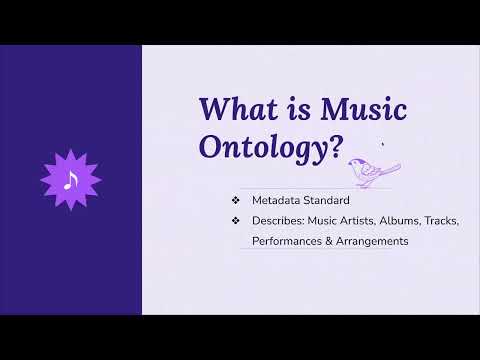
Music ontology is a burgeoning field of study that seeks to understand the fundamental nature of music and its various components, from notes and chords to genres and styles. With a vibe score of 8, music ontology is a topic of significant cultural energy, sparking debates among musicologists, philosophers, and cognitive scientists. At its core, music ontology questions what music is, how it is perceived, and how it can be represented in a knowledge graph. The field draws on influences from Plato's theory of forms to modern-day music information retrieval systems, with key figures like Leonard Meyer and David Lewin shaping the discourse. As music ontology continues to evolve, it is likely to have a profound impact on music recommendation algorithms, music education, and our understanding of music's emotional resonance, with potential applications in fields like music therapy and cognitive psychology. With a controversy spectrum of 6, music ontology is a topic of ongoing discussion and refinement, with optimists seeing it as a key to unlocking music's full potential and pessimists viewing it as a misguided attempt to formalize the ineffable.
🎵 Introduction to Music Ontology
Music ontology is a complex and multifaceted field that seeks to understand the fundamental nature of music and its various components. It involves the study of music theory, philosophy, and cognitive science to uncover the underlying structures and principles that govern music. Music ontology is closely related to music cognition and music perception, which examine how we process and understand music. The study of music ontology has led to a deeper understanding of music and emotion and the role of music in music culture.
🔍 The History of Music Ontology
The history of music ontology dates back to ancient civilizations, with philosophers such as Pythagoras and Aristotle writing about the nature of music and its relationship to mathematics and philosophy. In the modern era, music ontology has been influenced by music sociology and music anthropology, which examine the social and cultural contexts of music. The development of music technology has also had a significant impact on music ontology, enabling new forms of music creation and analysis. For example, music information retrieval has become a major area of research, with applications in music recommendation and music classification.
🎶 Theoretical Frameworks
Theoretical frameworks play a crucial role in music ontology, providing a foundation for understanding the complex structures and relationships that underlie music. Music theory provides a framework for analyzing music in terms of its melodic, harmonic, and rhythmic components. Cognitive musicology examines the cognitive processes involved in music perception and cognition, while philosophy of music explores the fundamental nature of music and its relationship to human experience. These frameworks are essential for understanding music composition and music performance.
📊 Music Information Retrieval
Music information retrieval is a key area of research in music ontology, involving the development of algorithms and systems for analyzing and retrieving music data. This includes music classification, music tagging, and music recommendation. Music information retrieval has numerous applications in music streaming and music downloading, as well as in music library management and music discovery. The use of machine learning and deep learning techniques has revolutionized music information retrieval, enabling more accurate and efficient analysis of music data.
👥 Music Cognition and Perception
Music cognition and perception are critical components of music ontology, examining how we process and understand music. Music perception involves the study of how we perceive musical patterns and structures, while music cognition examines the cognitive processes involved in music processing and understanding. This includes the study of music memory, music attention, and music emotion. Understanding music cognition and perception is essential for music education and music therapy.
🌐 Music and Culture
Music and culture are intimately connected, with music playing a significant role in shaping and reflecting cultural identity. Music culture involves the study of the social and cultural contexts of music, including the role of music in music history and music society. This includes the study of music genre, music style, and music tradition. Music culture is closely tied to music identity and music community.
🤖 Music Technology and AI
Music technology and AI are transforming the music industry, enabling new forms of music creation, production, and distribution. Music production involves the use of digital audio workstation software and music software to create and produce music. Music AI involves the use of artificial intelligence and machine learning algorithms to analyze and generate music. This includes the development of music generation and music composition systems. Music technology and AI are revolutionizing the music industry, enabling new forms of music collaboration and music innovation.
📈 The Future of Music Ontology
The future of music ontology is exciting and uncertain, with new technologies and methodologies emerging that will shape the field in profound ways. Music futures involve the study of the potential impact of emerging technologies on the music industry, including music blockchain and music virtual reality. The development of music data analysis and music information retrieval will continue to play a major role in shaping the music industry. As music ontology continues to evolve, it will be essential to consider the music ethics and music policy implications of emerging technologies and methodologies.
📊 Music Data Analysis
Music data analysis is a critical component of music ontology, involving the use of statistical and machine learning techniques to analyze and understand music data. Music data science involves the study of large datasets of music, including music audio and music metadata. This includes the development of music recommendation and music classification systems. Music data analysis has numerous applications in music marketing and music promotion.
📚 Music Notation and Representation
Music notation and representation are essential components of music ontology, providing a means of representing musical structures and patterns. Music notation involves the use of symbols and marks to represent musical pitches, rhythms, and harmonies. Music representation involves the use of digital formats and data structures to represent music, including MusicXML and MIDI. Music notation and representation are critical for music composition and music performance.
🎧 Music and Emotion
Music and emotion are intimately connected, with music playing a significant role in shaping and reflecting emotional experience. Music emotion involves the study of the emotional impact of music on listeners, including the role of music memory and music association. This includes the study of music mood and music affect. Understanding music and emotion is essential for music therapy and music wellbeing.
🌍 Global Music Traditions
Global music traditions are a vital part of music ontology, reflecting the diversity and richness of musical cultures from around the world. Music tradition involves the study of the historical and cultural contexts of music, including the role of music genre and music style. This includes the study of music folk and music classical. Global music traditions are closely tied to music identity and music community.
Key Facts
- Year
- 2000
- Origin
- Western Philosophy and Music Theory
- Category
- Music Theory and Philosophy
- Type
- Concept
Frequently Asked Questions
What is music ontology?
Music ontology is the study of the fundamental nature of music and its various components. It involves the study of music theory, philosophy, and cognitive science to uncover the underlying structures and principles that govern music. Music ontology is closely related to music cognition and music perception, which examine how we process and understand music.
What are the key areas of research in music ontology?
The key areas of research in music ontology include music information retrieval, music cognition and perception, music culture, and music technology and AI. These areas are essential for understanding the complex structures and relationships that underlie music.
How does music ontology relate to music education and music therapy?
Music ontology is closely related to music education and music therapy, as it provides a foundation for understanding the cognitive and emotional processes involved in music processing and understanding. Music education and music therapy can benefit from the insights and methodologies of music ontology, enabling more effective and personalized approaches to music teaching and therapy.
What is the role of music technology and AI in music ontology?
Music technology and AI are transforming the music industry, enabling new forms of music creation, production, and distribution. Music ontology is essential for understanding the impact of emerging technologies on the music industry, including music generation, music composition, and music recommendation.
How does music ontology relate to music culture and music tradition?
Music ontology is closely related to music culture and music tradition, as it provides a foundation for understanding the social and cultural contexts of music. Music culture and music tradition are essential for understanding the diversity and richness of musical cultures from around the world.