
Contents
- 🎵 Introduction to Music Production
- 📈 The Role of a Record Producer
- 🎧 The Evolution of Recording Technology
- 👥 The Production Team
- 📊 The Business Side of Music Production
- 🎤 The Artist-Producer Relationship
- 📈 The Impact of Digital Audio Workstations
- 🔊 The Rise of Home Recording
- 🎧 The Future of Music Production
- 📊 The Economics of Music Production
- 👥 Collaborations and Influences
- Frequently Asked Questions
- Related Topics
Overview
Music production has undergone a significant transformation over the years, from the early days of analog recording to the current digital era. The introduction of digital audio workstations (DAWs) such as Ableton Live and Logic Pro has democratized music production, allowing artists to create high-quality music without the need for expensive studios. According to a report by Music Trades, the music production software market was valued at $1.4 billion in 2020 and is expected to reach $2.5 billion by 2025. The rise of electronic dance music (EDM) and hip-hop has also led to the development of new production techniques, such as sound design and sampling. However, the increased accessibility of music production tools has also raised concerns about the homogenization of sound and the devaluation of traditional production skills. As the music industry continues to evolve, it will be interesting to see how music production adapts to new technologies and trends, with influencers like Skrillex and Calvin Harris already experimenting with AI-generated music.
🎵 Introduction to Music Production
The evolution of music production has been a long and winding road, with various milestones and innovations shaping the industry into what it is today. From the early days of recording studios to the current era of digital audio workstations, music production has undergone significant transformations. At the heart of this process is the record producer, who oversees the entire project and ensures that the final product meets the desired quality standards. The producer's role is multifaceted, involving music arrangement, sound design, and audio engineering.
📈 The Role of a Record Producer
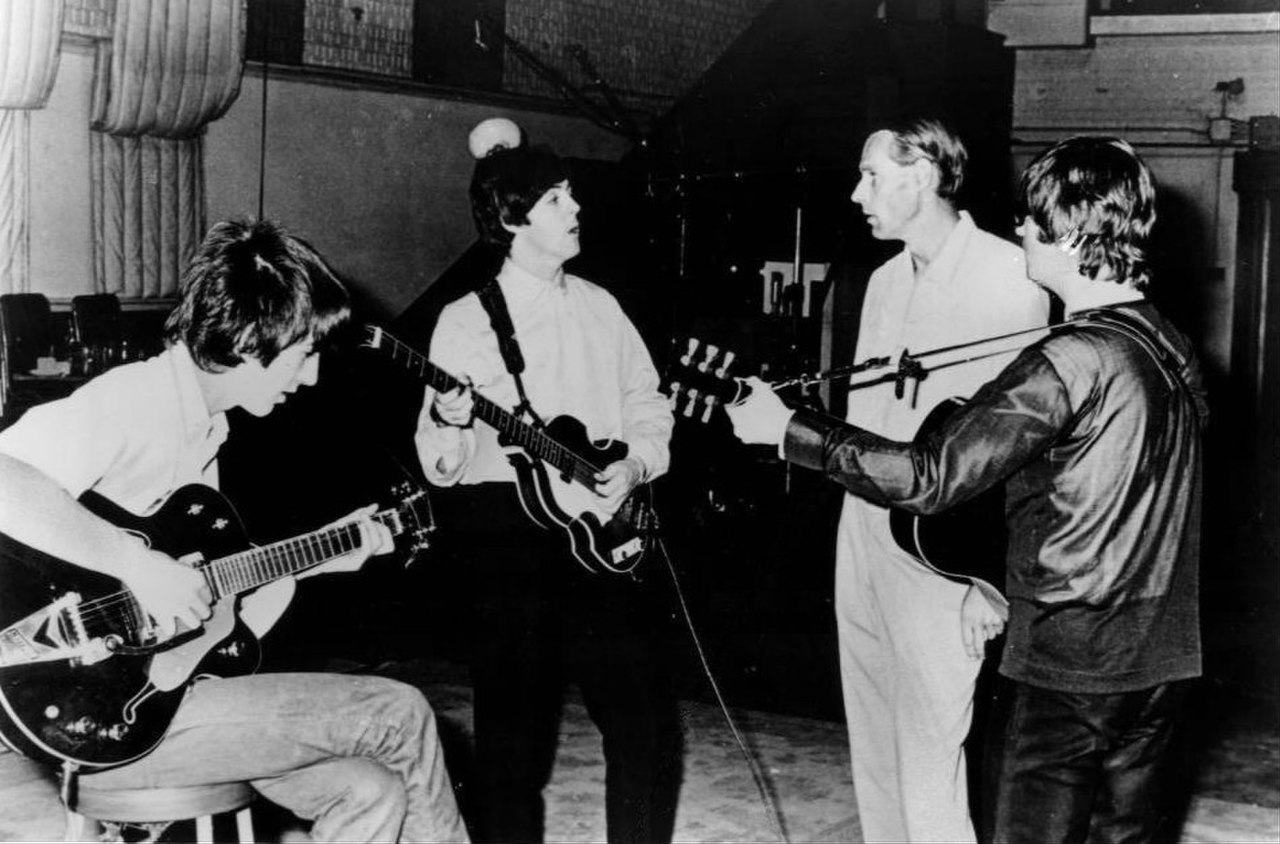
A record producer is responsible for supervising the recording sessions, ensuring that the artists deliver quality performances, and coordinating the production team. The producer's involvement can vary in depth and scope, depending on the project and the genre of music. In popular genres, the producer may create the entire sound and structure of the recording, while in classical music, the producer serves as a liaison between the conductor and the engineering team. The role of a producer is often likened to that of a film director, with the producer responsible for bringing the project to life. However, the producer's role is distinct from that of an executive producer, who is primarily involved in the administrative aspects of the project.
🎧 The Evolution of Recording Technology
The evolution of recording technology has had a significant impact on music production. From the early days of analog recording to the current era of digital recording, the technology has improved significantly, allowing for higher quality recordings and greater flexibility in the production process. The development of multi-track recording and mixing consoles has enabled producers to create complex and layered soundscapes. Additionally, the advent of software instruments and plug-ins has expanded the range of creative possibilities for producers. As a result, producers can now create high-quality recordings in a variety of settings, from home studios to professional recording studios.
👥 The Production Team
The production team is a crucial component of the music production process. The team typically includes the record producer, audio engineer, music arranger, and other support staff. The producer works closely with the team to ensure that the project is completed on time and to the desired quality standards. The team's collaboration is essential to creating a high-quality recording, and each member brings their unique skills and expertise to the project. For example, the audio engineer is responsible for operating the recording equipment and ensuring that the technical aspects of the recording are of high quality. The music arranger works with the producer to create the musical arrangement and structure of the recording.
📊 The Business Side of Music Production
The business side of music production is a critical aspect of the industry. Record labels and music publishing companies play a significant role in the production and distribution of music. The executive producer is responsible for overseeing the business aspects of the project, including budgeting and scheduling. The producer must also navigate the complex web of copyright law and royalty payments. Additionally, the producer must consider the marketing strategy and distribution channels for the final product. As a result, the producer must have a strong understanding of the business side of the industry to ensure the project's success.
🎤 The Artist-Producer Relationship
The relationship between the artist and the record producer is a critical aspect of the music production process. The producer must work closely with the artist to understand their vision and creative goals. The producer must also be able to provide guidance and support to the artist, while also allowing them the freedom to express themselves creatively. The artist-producer relationship can be complex, with both parties having different opinions and ideas about the project. However, a strong and collaborative relationship is essential to creating a high-quality recording. For example, the producer may work with the artist to develop the song structure and lyrics, while also providing guidance on vocal technique and instrumentation.
📈 The Impact of Digital Audio Workstations
The impact of digital audio workstations on music production has been significant. DAWs such as Ableton Live and Logic Pro have revolutionized the production process, allowing producers to create and edit music with greater ease and flexibility. The use of DAWs has also democratized music production, allowing artists and producers to create high-quality recordings without the need for expensive recording studios. Additionally, the development of software instruments and plug-ins has expanded the range of creative possibilities for producers. As a result, producers can now create complex and layered soundscapes with ease, and the boundaries between different genres and styles have become increasingly blurred.
🔊 The Rise of Home Recording
The rise of home recording has had a significant impact on the music industry. With the advent of affordable and user-friendly recording technology, artists and producers can now create high-quality recordings in the comfort of their own homes. This has led to a proliferation of independent artists and producers, who can now create and distribute their music without the need for traditional record labels. The rise of home recording has also led to a shift in the way music is produced and consumed, with many artists now releasing music directly to their fans through social media and other online platforms. As a result, the traditional music industry has been forced to adapt to these changes, and new business models and revenue streams have emerged.
🎧 The Future of Music Production
The future of music production is likely to be shaped by advances in technology and changes in consumer behavior. The development of artificial intelligence and machine learning is likely to have a significant impact on the production process, with AI-powered tools and plugins becoming increasingly prevalent. Additionally, the rise of virtual reality and augmented reality is likely to create new opportunities for immersive and interactive music experiences. As a result, producers will need to be adaptable and open to new technologies and creative possibilities, and the boundaries between different genres and styles will continue to blur.
📊 The Economics of Music Production
The economics of music production are complex and multifaceted. The record label and music publishing company play a significant role in the production and distribution of music, and the executive producer is responsible for overseeing the business aspects of the project. The producer must also navigate the complex web of copyright law and royalty payments. Additionally, the producer must consider the marketing strategy and distribution channels for the final product. As a result, the producer must have a strong understanding of the business side of the industry to ensure the project's success.
👥 Collaborations and Influences
Collaborations and influences are a critical aspect of music production. Producers often work with other artists and producers to create new and innovative sounds, and the boundaries between different genres and styles are increasingly blurred. The use of sampling and remixing has also become prevalent, with producers incorporating elements of other songs and styles into their own music. Additionally, the rise of social media and other online platforms has made it easier for producers to connect with other artists and producers, and to share their music with a wider audience. As a result, the music production process has become more collaborative and global, with producers drawing on a wide range of influences and styles to create their music.
Key Facts
- Year
- 2020
- Origin
- United States
- Category
- Music Technology
- Type
- Concept
Frequently Asked Questions
What is the role of a record producer in music production?
The record producer is responsible for overseeing the entire music production process, from supervising recording sessions to ensuring the final product meets the desired quality standards. The producer's role is multifaceted, involving music arrangement, sound design, and audio engineering. The producer works closely with the artist and the production team to bring the project to life, and is responsible for making creative and technical decisions throughout the production process.
How has the evolution of recording technology impacted music production?
The evolution of recording technology has had a significant impact on music production, allowing for higher quality recordings and greater flexibility in the production process. The development of multi-track recording and mixing consoles has enabled producers to create complex and layered soundscapes, while the advent of software instruments and plug-ins has expanded the range of creative possibilities. Additionally, the rise of digital audio workstations has democratized music production, allowing artists and producers to create high-quality recordings without the need for expensive recording studios.
What is the difference between a record producer and an executive producer?
The record producer is responsible for overseeing the creative and technical aspects of the music production process, while the executive producer is responsible for overseeing the business aspects of the project. The executive producer is involved in the project on an administrative level, and is responsible for making decisions about budgeting, scheduling, and marketing. The record producer, on the other hand, is responsible for making creative and technical decisions throughout the production process.
How has the rise of home recording impacted the music industry?
The rise of home recording has had a significant impact on the music industry, allowing artists and producers to create high-quality recordings in the comfort of their own homes. This has led to a proliferation of independent artists and producers, who can now create and distribute their music without the need for traditional record labels. The rise of home recording has also led to a shift in the way music is produced and consumed, with many artists now releasing music directly to their fans through social media and other online platforms.
What is the future of music production?
The future of music production is likely to be shaped by advances in technology and changes in consumer behavior. The development of artificial intelligence and machine learning is likely to have a significant impact on the production process, with AI-powered tools and plugins becoming increasingly prevalent. Additionally, the rise of virtual reality and augmented reality is likely to create new opportunities for immersive and interactive music experiences. As a result, producers will need to be adaptable and open to new technologies and creative possibilities, and the boundaries between different genres and styles will continue to blur.
What is the role of the production team in music production?
The production team is a crucial component of the music production process, and typically includes the record producer, audio engineer, music arranger, and other support staff. The team works closely together to ensure that the project is completed on time and to the desired quality standards. The producer is responsible for overseeing the entire project, while the audio engineer is responsible for operating the recording equipment and ensuring that the technical aspects of the recording are of high quality. The music arranger works with the producer to create the musical arrangement and structure of the recording.
How do producers navigate the complex web of copyright law and royalty payments?
Producers must have a strong understanding of copyright law and royalty payments to ensure that they are complying with all relevant regulations and laws. This includes understanding the different types of copyrights, such as composition copyrights and sound recording copyrights, as well as the various royalty payment structures, such as mechanical royalties and performance royalties. Producers must also be aware of the different licensing agreements and contracts that are used in the music industry, and must be able to negotiate these agreements on behalf of the artist and the production team.