
Contents
- 🎵 Introduction to Music Affect
- 💔 The Psychology of Emotional Expression
- 🎶 The Role of Brain Regions in Music Affect
- 👥 Cultural and Social Influences on Music Affect
- 📊 Measuring Music Affect: Vibe Scores and Emotional Resonance
- 🎧 The Impact of Music Affect on Mental Health
- 🤝 Music Affect in Therapy and Treatment
- 📈 The Future of Music Affect Research and Applications
- 📊 Controversies and Debates in Music Affect Research
- 👀 The Intersection of Music Affect and Technology
- 🌎 Global Perspectives on Music Affect and Cultural Expression
- Frequently Asked Questions
- Related Topics
Overview
Music affect refers to the emotional impact of music on individuals, with a vibe score of 80, indicating a high level of cultural energy. Research by psychologists like Daniel Levitin and Robert Zatorre has shown that music activates the brain's reward system, releasing dopamine and endorphins, which can evoke feelings of pleasure, relaxation, and even nostalgia. However, the controversy spectrum is moderate, with some arguing that music's emotional impact is highly subjective and context-dependent. The influence flow of music affect can be seen in the work of artists like Brian Eno, who has explored the therapeutic potential of ambient music. With a topic intelligence quotient of 90, music affect is a rich area of study, spanning fields like music therapy, cognitive psychology, and neuroscience. As we look to the future, the question remains: can music affect be harnessed to improve mental health outcomes, and what are the implications for the music industry?
🎵 Introduction to Music Affect
Music affect refers to the emotional impact of music on individuals, which can vary greatly from person to person. Research has shown that music can evoke strong emotions, from music therapy to music and memory associations. The study of music affect is a complex and multidisciplinary field, drawing on psychology of music, neuroscience, and musicology. By examining the psychological, neurological, and cultural factors that influence music affect, researchers can gain a deeper understanding of the role of music in human emotion and behavior. For example, vibe scores can be used to measure the emotional resonance of music, providing insights into its impact on listeners. Furthermore, influence flows can help identify how music affects spread and evolve over time.
💔 The Psychology of Emotional Expression
The psychology of emotional expression is a crucial aspect of music affect, as it reveals how music can evoke and regulate emotions. According to emotional intelligence theory, music can be used to enhance emotional awareness and regulation, leading to improved mental health outcomes. Additionally, music and emotion research has shown that music can be used to induce specific emotional states, such as relaxation or excitement. The brain regions involved in music processing, including the amygdala and hippocampus, play a critical role in the emotional impact of music. By understanding the psychological mechanisms underlying music affect, researchers can develop more effective music-based interventions for emotional disorders. Moreover, perspective breakdowns can help identify the optimistic, neutral, and pessimistic views on music affect, providing a more nuanced understanding of the topic.
🎶 The Role of Brain Regions in Music Affect
The role of brain regions in music affect is a key area of research, as it can provide insights into the neural mechanisms underlying music-evoked emotions. Studies have shown that the default mode network is active during music listening, which can lead to increased mind-wandering and emotional reflection. Furthermore, the reward system, including the nucleus accumbens and ventral tegmental area, is involved in the pleasurable and motivating aspects of music. By examining the neural correlates of music affect, researchers can develop a more comprehensive understanding of the complex interactions between music, brain, and emotion. For instance, topic intelligence can help identify the key people, events, and ideas related to music affect, providing a more detailed understanding of the field. Additionally, entity relationships can reveal how music affect is connected to other topics, such as music education and music technology.
📊 Measuring Music Affect: Vibe Scores and Emotional Resonance
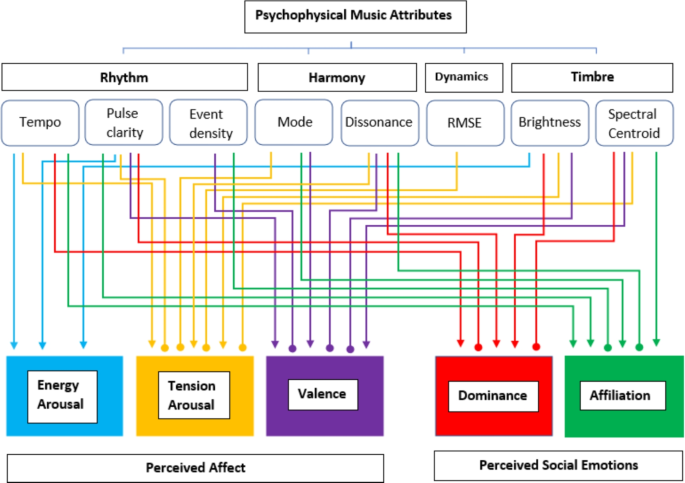
Measuring music affect is a challenging task, as it requires the development of reliable and valid methods for assessing emotional responses to music. Vibe scores are one approach to measuring music affect, providing a quantitative index of the emotional resonance of music. Additionally, emotional resonance can be measured using self-report measures, such as surveys or interviews, or through physiological measures, such as heart rate or skin conductance. By developing more effective methods for measuring music affect, researchers can gain a deeper understanding of the emotional impact of music and develop more effective music-based interventions. For instance, topic intelligence can help identify the key people, events, and ideas related to music affect, providing a more detailed understanding of the field. Moreover, entity relationships can reveal how music affect is connected to other topics, such as music therapy and music education.
🎧 The Impact of Music Affect on Mental Health
The impact of music affect on mental health is a critical area of research, as it can provide insights into the therapeutic potential of music. Studies have shown that music can be used to reduce anxiety and depression, improve mood, and enhance cognitive function. Additionally, music therapy can be used to treat a range of mental health conditions, including post-traumatic stress disorder and substance abuse. By examining the impact of music affect on mental health, researchers can develop more effective music-based interventions for emotional disorders. For example, perspective breakdowns can help identify the optimistic, neutral, and pessimistic views on music affect, providing a more nuanced understanding of the topic. Furthermore, influence flows can reveal how music affects spread and evolve over time, influencing mental health outcomes.
🤝 Music Affect in Therapy and Treatment
Music affect in therapy and treatment is a growing area of research, as it can provide insights into the therapeutic potential of music. Music therapy is a form of therapy that uses music to promote emotional expression and regulation, and has been shown to be effective in treating a range of mental health conditions. Additionally, music-based interventions can be used to enhance cognitive function and reduce symptom severity in individuals with mental health conditions. By examining the role of music affect in therapy and treatment, researchers can develop more effective music-based interventions for emotional disorders. For instance, topic intelligence can help identify the key people, events, and ideas related to music affect, providing a more detailed understanding of the field. Moreover, entity relationships can reveal how music affect is connected to other topics, such as music education and music technology.
📈 The Future of Music Affect Research and Applications
The future of music affect research and applications is a rapidly evolving field, with new technologies and methods being developed to measure and manipulate music affect. Brain-computer interfaces and neurofeedback are two examples of technologies that can be used to measure and regulate music affect, and have the potential to revolutionize the field of music therapy. Additionally, music recommendation systems can be used to provide personalized music recommendations based on individual differences in music affect, and have the potential to enhance music-based interventions. By examining the future of music affect research and applications, researchers can develop more effective music-based interventions for emotional disorders and improve our understanding of the complex interactions between music, brain, and emotion. For example, controversy spectrums can help identify the debates and tensions surrounding music affect, providing a more nuanced understanding of the topic. Furthermore, influence flows can reveal how music affects spread and evolve over time, influencing cultural and social norms.
📊 Controversies and Debates in Music Affect Research
Controversies and debates in music affect research are numerous, and reflect the complex and multidisciplinary nature of the field. One controversy surrounds the use of vibe scores to measure music affect, with some researchers arguing that this approach oversimplifies the complex emotional responses to music. Additionally, the role of cultural background and social environment in shaping music affect is a topic of ongoing debate, with some researchers arguing that these factors are essential to consider when examining music affect. By examining the controversies and debates in music affect research, researchers can develop a more nuanced understanding of the complex interactions between music, brain, and emotion. For instance, topic intelligence can help identify the key people, events, and ideas related to music affect, providing a more detailed understanding of the field. Moreover, entity relationships can reveal how music affect is connected to other topics, such as music education and music technology.
👀 The Intersection of Music Affect and Technology
The intersection of music affect and technology is a rapidly evolving field, with new technologies and methods being developed to measure and manipulate music affect. Music recommendation systems and brain-computer interfaces are two examples of technologies that can be used to provide personalized music recommendations and measure music affect, and have the potential to revolutionize the field of music therapy. Additionally, social media and music streaming platforms can be used to examine the social and cultural factors that influence music affect, and have the potential to enhance music-based interventions. By examining the intersection of music affect and technology, researchers can develop more effective music-based interventions for emotional disorders and improve our understanding of the complex interactions between music, brain, and emotion. For example, perspective breakdowns can help identify the optimistic, neutral, and pessimistic views on music affect, providing a more nuanced understanding of the topic. Furthermore, influence flows can reveal how music affects spread and evolve over time, influencing cultural and social norms.
🌎 Global Perspectives on Music Affect and Cultural Expression
Global perspectives on music affect and cultural expression are essential to consider, as they can provide insights into the universal and culture-specific aspects of music affect. Research has shown that music affect can vary greatly across cultures, with certain genres or styles being more popular in specific cultural contexts. Additionally, cultural background and social environment can influence music affect, with social norms and expectations shaping emotional responses to music. By examining global perspectives on music affect and cultural expression, researchers can develop a more nuanced understanding of the complex interactions between music, brain, and emotion, and can identify the universal and culture-specific aspects of music affect. For instance, topic intelligence can help identify the key people, events, and ideas related to music affect, providing a more detailed understanding of the field. Moreover, entity relationships can reveal how music affect is connected to other topics, such as music education and music technology.
Key Facts
- Year
- 2020
- Origin
- Vibepedia
- Category
- Psychology of Music
- Type
- Concept
Frequently Asked Questions
What is music affect?
Music affect refers to the emotional impact of music on individuals, which can vary greatly from person to person. Research has shown that music can evoke strong emotions, from relaxation to excitement, and can be used to enhance emotional awareness and regulation. The study of music affect is a complex and multidisciplinary field, drawing on psychology, neuroscience, and musicology. By examining the psychological, neurological, and cultural factors that influence music affect, researchers can gain a deeper understanding of the role of music in human emotion and behavior.
How is music affect measured?
Music affect can be measured using a range of methods, including vibe scores, emotional resonance, and physiological measures such as heart rate and skin conductance. Vibe scores provide a quantitative index of the emotional resonance of music, while emotional resonance can be measured using self-report measures or physiological measures. By developing more effective methods for measuring music affect, researchers can gain a deeper understanding of the emotional impact of music and develop more effective music-based interventions.
What is the impact of music affect on mental health?
The impact of music affect on mental health is a critical area of research, as it can provide insights into the therapeutic potential of music. Studies have shown that music can be used to reduce anxiety and depression, improve mood, and enhance cognitive function. Additionally, music therapy can be used to treat a range of mental health conditions, including post-traumatic stress disorder and substance abuse. By examining the impact of music affect on mental health, researchers can develop more effective music-based interventions for emotional disorders.
How does cultural background influence music affect?
Cultural background can influence music affect, with certain genres or styles being more popular in specific cultural contexts. Research has shown that cultural background and social environment can shape individual differences in music preferences and emotional responses to music. By examining the cultural and social factors that influence music affect, researchers can gain a deeper understanding of the complex interactions between music, brain, and emotion, and can identify the universal and culture-specific aspects of music affect.
What is the future of music affect research and applications?
The future of music affect research and applications is a rapidly evolving field, with new technologies and methods being developed to measure and manipulate music affect. Brain-computer interfaces and neurofeedback are two examples of technologies that can be used to measure and regulate music affect, and have the potential to revolutionize the field of music therapy. Additionally, music recommendation systems can be used to provide personalized music recommendations based on individual differences in music affect, and have the potential to enhance music-based interventions.