
Contents
- 🌎 Introduction to Migration Challenges
- 📊 The Scale of Migration: Numbers and Trends
- 🚫 Border Control and Security Concerns
- 🤝 International Cooperation and Policy Frameworks
- 🌈 The Role of Culture and Identity in Migration
- 📈 Economic Factors: Push and Pull of Migration
- 🚨 Humanitarian Crises and Refugee Protection
- 🌐 Technology and Migration: New Opportunities and Challenges
- 📚 Education and Integration of Migrants
- 👥 Social Inclusion and Community Building
- 🚫 Xenophobia and Discrimination: Obstacles to Integration
- 🌟 Future Directions: Addressing Migration Challenges
- Frequently Asked Questions
- Related Topics
Overview
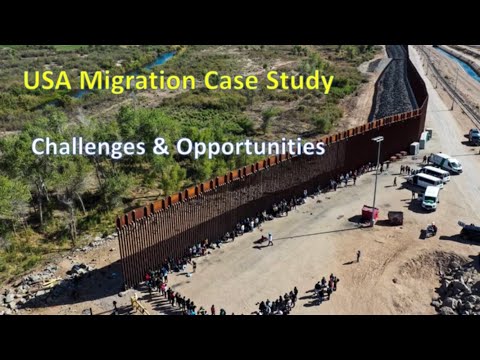
Migration challenges are a multifaceted issue, rooted in historical precedents, cultural nuances, and economic disparities. The historian's lens reveals patterns of migration dating back to ancient civilizations, with the skeptic's eye questioning the effectiveness of current policies. The fan's perspective acknowledges the human cost of migration, with the engineer's mindset seeking innovative solutions to facilitate safe and orderly movement. According to the International Organization for Migration (IOM), over 280 million people were international migrants in 2020, with 48% being women. The World Bank estimates that remittances sent by migrants to their home countries reached $548 billion in 2020, exceeding foreign aid. However, the journey is often perilous, with the IOM reporting over 4,000 migrant deaths in 2020 alone. As the futurist's gaze looks to the future, it is clear that addressing migration challenges will require a comprehensive approach, taking into account the complex interplay of factors driving human movement.
🌎 Introduction to Migration Challenges
The issue of migration is a complex and multifaceted one, involving migration policies and human rights. It is a topic that has been debated by scholars, policymakers, and the general public for decades. According to the United Nations, there are over 272 million international migrants worldwide, with many more moving within their own countries. This phenomenon has significant implications for globalization and sustainable development. As the world becomes increasingly interconnected, the need for effective migration management strategies has never been more pressing. The iOM plays a crucial role in addressing these challenges.
📊 The Scale of Migration: Numbers and Trends
The scale of migration is staggering, with millions of people on the move each year. Migration statistics show that the majority of migrants are moving for economic reasons, seeking better job opportunities and higher wages. However, many are also fleeing conflict, persecution, or natural disasters. The refugee crisis in Europe, for example, has highlighted the need for more effective asylum policies and border control measures. As the World Bank notes, migration can have significant economic benefits for both sending and receiving countries.
🚫 Border Control and Security Concerns
Border control and security concerns are major challenges in the context of migration. Many countries are struggling to balance the need to protect their borders with the need to provide humanitarian aid to those in need. The EU migration policies, for example, have been criticized for being too restrictive and failing to provide adequate protection for refugees and asylum seekers. The use of border technology, such as biometric identification systems, has raised concerns about privacy and human rights. As the ICRC notes, the protection of civilians in conflict zones is a major concern.
🤝 International Cooperation and Policy Frameworks
International cooperation and policy frameworks are essential for addressing the challenges of migration. The UN Migration Agreement, for example, provides a framework for countries to work together to manage migration in a sustainable and humane way. The Global Compact on Migration aims to promote international cooperation and policy coherence on migration issues. As the OECD notes, effective migration policies require a whole of government approach.
🌈 The Role of Culture and Identity in Migration
The role of culture and identity in migration is complex and multifaceted. Migrants often face significant cultural barriers when integrating into their new host countries. Cultural diversity can be a major asset for societies, but it can also create tensions and conflicts. The European Union has recognized the importance of cultural integration and has implemented policies to promote intercultural dialogue and social inclusion. As the World Council of Churches notes, the protection of religious minorities is a major concern.
📈 Economic Factors: Push and Pull of Migration
Economic factors play a significant role in migration, with many people moving to seek better job opportunities and higher wages. The global economy is increasingly interconnected, and migration can have significant economic impacts on both sending and receiving countries. The remittances sent back by migrants can be a major source of foreign exchange for their countries of origin. However, migration can also create labour market challenges, such as unemployment and wage depression. As the IMF notes, effective economic policies are essential for managing the impacts of migration.
🚨 Humanitarian Crises and Refugee Protection
Humanitarian crises and refugee protection are major challenges in the context of migration. The Syrian refugee crisis, for example, has highlighted the need for more effective humanitarian response and refugee protection measures. The UNHCR plays a crucial role in providing humanitarian aid and protection to refugees and asylum seekers. As the Red Cross notes, the protection of civilians in conflict zones is a major concern.
🌐 Technology and Migration: New Opportunities and Challenges
Technology and migration are increasingly interconnected, with many migrants using digital technologies to navigate their journeys and integrate into their new host countries. Social media can be a powerful tool for social inclusion and community building, but it can also create online harassment and disinformation challenges. The EU Digital Agenda aims to promote digital inclusion and online safety for all. As the GSMA notes, mobile technology can be a major asset for migrants, providing access to financial services and healthcare.
📚 Education and Integration of Migrants
Education and integration of migrants are essential for promoting social inclusion and community building. The UNESCO has recognized the importance of education for all, including migrants and refugees. The EU education policies aim to promote inclusion and diversity in education, and to support the integration of migrants into their new host countries. As the OECD Education notes, effective education policies require a whole of government approach.
🚫 Xenophobia and Discrimination: Obstacles to Integration
Xenophobia and discrimination are major obstacles to the integration of migrants into their new host countries. The EU anti-discrimination policies aim to promote equality and non-discrimination, and to support the integration of migrants into their new host countries. The UN Human Rights has recognized the importance of human rights for all, including migrants and refugees. As the Amnesty International notes, the protection of human rights is essential for promoting social inclusion and community building.
🌟 Future Directions: Addressing Migration Challenges
The future of migration is uncertain, but one thing is clear: it will require a coordinated and sustainable approach to migration management. The UN Migration Agreement provides a framework for countries to work together to manage migration in a sustainable and humane way. The Global Compact on Migration aims to promote international cooperation and policy coherence on migration issues. As the OECD Migration notes, effective migration policies require a whole of government approach.
Key Facts
- Year
- 2020
- Origin
- Global
- Category
- Social Sciences
- Type
- Concept
Frequently Asked Questions
What are the main challenges of migration?
The main challenges of migration include border control and security concerns, humanitarian crises and refugee protection, economic factors such as unemployment and wage depression, and social inclusion and community building. Effective migration policies require a whole of government approach. The UN Migration Agreement provides a framework for countries to work together to manage migration in a sustainable and humane way.
How can we promote social inclusion and community building for migrants?
Promoting social inclusion and community building for migrants requires a coordinated approach that includes education, healthcare, and social services. The EU social policies aim to promote social inclusion and community building, and to support the integration of migrants into their new host countries. The World Health Organization has recognized the importance of health for all, including migrants and refugees.
What is the role of technology in migration?
Technology plays a significant role in migration, with many migrants using digital technologies to navigate their journeys and integrate into their new host countries. Social media can be a powerful tool for social inclusion and community building, but it can also create online harassment and disinformation challenges. The EU Digital Agenda aims to promote digital inclusion and online safety for all.
How can we address xenophobia and discrimination against migrants?
Addressing xenophobia and discrimination against migrants requires a coordinated approach that includes education, awareness raising, and policy change. The EU anti-discrimination policies aim to promote equality and non-discrimination, and to support the integration of migrants into their new host countries. The UN Human Rights has recognized the importance of human rights for all, including migrants and refugees.
What is the future of migration?
The future of migration is uncertain, but one thing is clear: it will require a coordinated and sustainable approach to migration management. The UN Migration Agreement provides a framework for countries to work together to manage migration in a sustainable and humane way. The Global Compact on Migration aims to promote international cooperation and policy coherence on migration issues.
👥 Social Inclusion and Community Building
Social inclusion and community building are essential for promoting the wellbeing and integration of migrants. The EU social policies aim to promote social inclusion and community building, and to support the integration of migrants into their new host countries. The World Health Organization has recognized the importance of health for all, including migrants and refugees. As the IOM Migration notes, effective migration policies require a whole of government approach.