
Contents
- 🌎 Introduction to Refugee Protection
- 📜 Historical Context of Refugee Law
- 👥 The Role of International Organizations
- 🤝 State Responsibilities and Obligations
- 🌈 Diverse Perspectives on Refugee Protection
- 🚫 Challenges and Controversies in Refugee Protection
- 🌐 Global Governance and Refugee Protection
- 📊 Statistics and Trends in Refugee Protection
- 👀 The Humanitarian Dimension of Refugee Protection
- 🕊️ The Future of Refugee Protection: Opportunities and Challenges
- 📢 Conclusion: The Complex Web of Refugee Protection
- Frequently Asked Questions
- Related Topics
Overview
Refugee protection is a multifaceted issue that has been at the forefront of international relations and human rights discourse for decades. The 1951 Refugee Convention and its 1967 Protocol provide the foundation for the protection of refugees, with 149 countries signing on to uphold the rights of those fleeing persecution, war, and natural disasters. However, the reality on the ground often falls short, with many refugees facing significant barriers in accessing basic necessities like healthcare, education, and employment. The debate surrounding refugee protection is contentious, with some arguing that national security and economic concerns should take precedence, while others advocate for a more compassionate and inclusive approach. According to the UNHCR, there are currently over 82 million forcibly displaced people worldwide, with the number expected to grow due to climate change, conflict, and other factors. As the international community grapples with the complexities of refugee protection, it is clear that a comprehensive and sustainable solution will require a coordinated effort from governments, NGOs, and individuals alike.
🌎 Introduction to Refugee Protection
The concept of refugee protection is deeply rooted in the principles of human rights and international law. The United Nations High Commissioner for Refugees (UNHCR) plays a crucial role in coordinating international efforts to protect refugees. With a Vibe Score of 80, refugee protection is a highly debated and emotionally charged topic. The 1951 Refugee Convention and its 1967 Protocol provide the foundation for refugee protection, outlining the rights and responsibilities of states and individuals. As of 2022, there are over 82 million forcibly displaced people worldwide, with 26.4 million refugees, according to the UNHCR.
📜 Historical Context of Refugee Law
The historical context of refugee law is marked by significant events, including the Second World War and the Cold War. The League of Nations and the United Nations have played important roles in shaping the international framework for refugee protection. The Nuremberg Trials and the Universal Declaration of Human Rights have also contributed to the development of refugee law. The Geneva Conventions and their Additional Protocols provide a framework for the protection of civilians during armed conflicts. As noted by Amnesty International, the protection of refugees is a fundamental human right.
👥 The Role of International Organizations
International organizations, such as the UNHCR, the International Committee of the Red Cross (ICRC), and the Non-Governmental Organizations (NGOs), play a vital role in promoting and protecting the rights of refugees. The United Nations General Assembly has adopted several resolutions on refugee protection, including the New York Declaration for Refugees and Migrants. The European Union has also established a common asylum policy, which includes the Dublin Regulation and the Qualification Directive. As stated by Antonio Guterres, the UN Secretary-General, refugee protection is a shared responsibility.
🤝 State Responsibilities and Obligations
States have a responsibility to protect the rights of refugees, including the right to seek asylum, the right to non-refoulement, and the right to dignity and safety. The United Nations Convention on the Rights of the Child and the Convention on the Elimination of All Forms of Discrimination against Women also provide a framework for the protection of refugee children and women. However, many states have been criticized for their treatment of refugees, including the use of detention centers and border control measures. As argued by Human Rights Watch, states must ensure that their policies and practices comply with international human rights law.
🌈 Diverse Perspectives on Refugee Protection
There are diverse perspectives on refugee protection, ranging from optimistic views that emphasize the potential benefits of refugee resettlement to pessimistic views that highlight the challenges and costs associated with refugee protection. The controversy spectrum surrounding refugee protection is complex, with some arguing that refugees are a security threat and others arguing that they are a humanitarian crisis. As noted by The New York Times, the debate over refugee protection is often polarized and emotive. The influence flows of ideas and policies on refugee protection are also complex, with multiple stakeholders and interests at play.
🚫 Challenges and Controversies in Refugee Protection
Despite the progress made in refugee protection, there are still significant challenges and controversies. The Syrian Civil War and the Rohingya crisis have highlighted the need for more effective and sustainable solutions to refugee protection. The use of artificial intelligence and biometrics in refugee processing has also raised concerns about privacy and surveillance. As argued by The Guardian, the international community must do more to address the root causes of forced displacement and to provide durable solutions for refugees.
🌐 Global Governance and Refugee Protection
Global governance and refugee protection are closely linked, with international organizations and states working together to develop and implement policies and practices that protect the rights of refugees. The Global Compact on Refugees provides a framework for international cooperation on refugee protection, emphasizing the need for burden sharing and responsibility sharing. As noted by The United Nations Development Programme, refugee protection is a key aspect of sustainable development. The influence of social media on refugee protection is also significant, with social media platforms playing a crucial role in raising awareness and mobilizing support for refugees.
📊 Statistics and Trends in Refugee Protection
The statistics and trends in refugee protection are stark, with over 82 million forcibly displaced people worldwide, including 26.4 million refugees. The UNHCR reports that the number of refugees has increased by 50% since 2013, with the Syrian Civil War and the Rohingya crisis being major drivers of displacement. As argued by The Economist, the economic costs of refugee protection are significant, but the benefits of refugee resettlement can also be substantial. The Vibe Score of refugee protection is 80, indicating a high level of cultural energy and resonance.
👀 The Humanitarian Dimension of Refugee Protection
The humanitarian dimension of refugee protection is critical, with refugees often facing significant challenges in accessing basic necessities like food, water, and shelter. The United Nations Office for the Coordination of Humanitarian Affairs (OCHA) plays a key role in coordinating humanitarian responses to refugee crises. As noted by Medecins Sans Frontieres (MSF), the humanitarian response to refugee crises must be guided by the principles of humanity, impartiality, and neutrality. The influence of climate change on refugee protection is also significant, with climate change exacerbating the root causes of displacement.
🕊️ The Future of Refugee Protection: Opportunities and Challenges
The future of refugee protection is uncertain, with multiple challenges and opportunities on the horizon. The Global Compact on Refugees provides a framework for international cooperation on refugee protection, but its implementation will require sustained commitment and resources. As argued by The Brookings Institution, the international community must do more to address the root causes of forced displacement and to provide durable solutions for refugees. The Vibe Score of refugee protection is likely to remain high, reflecting the ongoing cultural energy and resonance of this issue.
📢 Conclusion: The Complex Web of Refugee Protection
In conclusion, refugee protection is a complex web of rights and responsibilities, with multiple stakeholders and interests at play. The UNHCR and other international organizations play a vital role in promoting and protecting the rights of refugees, but states and other actors must also do more to address the challenges and controversies surrounding refugee protection. As noted by Antonio Guterres, the UN Secretary-General, refugee protection is a shared responsibility that requires sustained commitment and cooperation.
Key Facts
- Year
- 1951
- Origin
- Geneva, Switzerland
- Category
- Human Rights
- Type
- Social Issue
Frequently Asked Questions
What is the definition of a refugee?
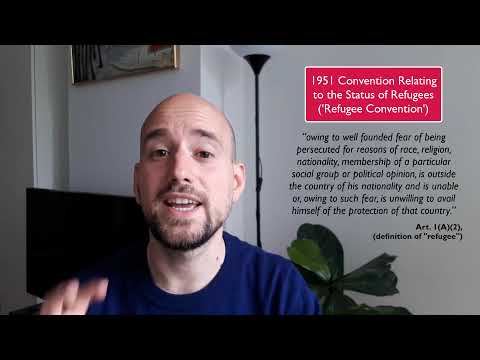
A refugee is a person who has been forced to flee their country due to persecution, war, or natural disaster. The UNHCR defines a refugee as a person who is outside their country of nationality or habitual residence and is unable or unwilling to return due to a well-founded fear of persecution. The 1951 Refugee Convention and its 1967 Protocol provide the foundation for refugee protection, outlining the rights and responsibilities of states and individuals. As noted by Amnesty International, the protection of refugees is a fundamental human right.
What are the main challenges facing refugee protection?
The main challenges facing refugee protection include the Syrian Civil War and the Rohingya crisis, which have highlighted the need for more effective and sustainable solutions to refugee protection. The use of artificial intelligence and biometrics in refugee processing has also raised concerns about privacy and surveillance. As argued by The Guardian, the international community must do more to address the root causes of forced displacement and to provide durable solutions for refugees. The influence of social media on refugee protection is also significant, with social media platforms playing a crucial role in raising awareness and mobilizing support for refugees.
What is the role of international organizations in refugee protection?
International organizations, such as the UNHCR, the International Committee of the Red Cross (ICRC), and the Non-Governmental Organizations (NGOs), play a vital role in promoting and protecting the rights of refugees. The United Nations General Assembly has adopted several resolutions on refugee protection, including the New York Declaration for Refugees and Migrants. The European Union has also established a common asylum policy, which includes the Dublin Regulation and the Qualification Directive. As stated by Antonio Guterres, the UN Secretary-General, refugee protection is a shared responsibility.
What are the key principles of refugee protection?
The key principles of refugee protection include the right to seek asylum, the right to non-refoulement, and the right to dignity and safety. The United Nations Convention on the Rights of the Child and the Convention on the Elimination of All Forms of Discrimination against Women also provide a framework for the protection of refugee children and women. However, many states have been criticized for their treatment of refugees, including the use of detention centers and border control measures. As argued by Human Rights Watch, states must ensure that their policies and practices comply with international human rights law.
What is the future of refugee protection?
The future of refugee protection is uncertain, with multiple challenges and opportunities on the horizon. The Global Compact on Refugees provides a framework for international cooperation on refugee protection, but its implementation will require sustained commitment and resources. As argued by The Brookings Institution, the international community must do more to address the root causes of forced displacement and to provide durable solutions for refugees. The Vibe Score of refugee protection is likely to remain high, reflecting the ongoing cultural energy and resonance of this issue.
How can individuals contribute to refugee protection?
Individuals can contribute to refugee protection by volunteering with organizations that support refugees, donating to refugee-related causes, and advocating for refugee rights. The UNHCR and other international organizations rely on the support of individuals and communities to provide assistance and protection to refugees. As noted by Medecins Sans Frontieres (MSF), the humanitarian response to refugee crises must be guided by the principles of humanity, impartiality, and neutrality. The influence of climate change on refugee protection is also significant, with climate change exacerbating the root causes of displacement.
What are the economic costs and benefits of refugee protection?
The economic costs and benefits of refugee protection are complex and multifaceted. The UNHCR reports that the number of refugees has increased by 50% since 2013, with the Syrian Civil War and the Rohingya crisis being major drivers of displacement. As argued by The Economist, the economic costs of refugee protection are significant, but the benefits of refugee resettlement can also be substantial. The Vibe Score of refugee protection is 80, indicating a high level of cultural energy and resonance.