
Contents
- 🌎 Introduction to Humanitarian Response
- 🏥 The Primary Objective of Humanitarian Aid
- 🌪️ Responding to Natural Disasters
- 🏃♂️ Refugee Crisis and Displacement
- 🍴 Food Security and Famine Relief
- 💸 Funding and Resource Allocation
- 🤝 International Cooperation and Partnerships
- 🚨 Challenges and Controversies in Humanitarian Response
- 📊 Measuring the Effectiveness of Humanitarian Aid
- 🔮 Future of Humanitarian Response: Innovations and Trends
- 🌈 Conclusion: The Complex Web of Aid and Intervention
- Frequently Asked Questions
- Related Topics
Overview
Humanitarian response is a multifaceted and often contentious field, with organizations like the Red Cross, UNHCR, and Doctors Without Borders working to provide aid in the face of natural disasters, conflicts, and refugee crises. The 2010 Haiti earthquake, 2015 European migrant crisis, and 2020 COVID-19 pandemic have highlighted the need for effective humanitarian response, but also raised questions about the role of governments, NGOs, and international institutions in crisis management. According to a 2020 report by the United Nations Office for the Coordination of Humanitarian Affairs (UNOCHA), the global humanitarian response plan required $38.5 billion to support 168 million people in need. However, funding shortfalls and bureaucratic inefficiencies often hinder response efforts, as seen in the 2014 Ebola outbreak in West Africa. As the world grapples with increasingly complex and interconnected crises, the future of humanitarian response will depend on innovative solutions, improved coordination, and a commitment to putting the needs of affected communities at the forefront. The influence of key figures like Jan Egeland, former UN Under-Secretary-General for Humanitarian Affairs, and organizations like the International Rescue Committee, will shape the trajectory of humanitarian response in the years to come.
🌎 Introduction to Humanitarian Response
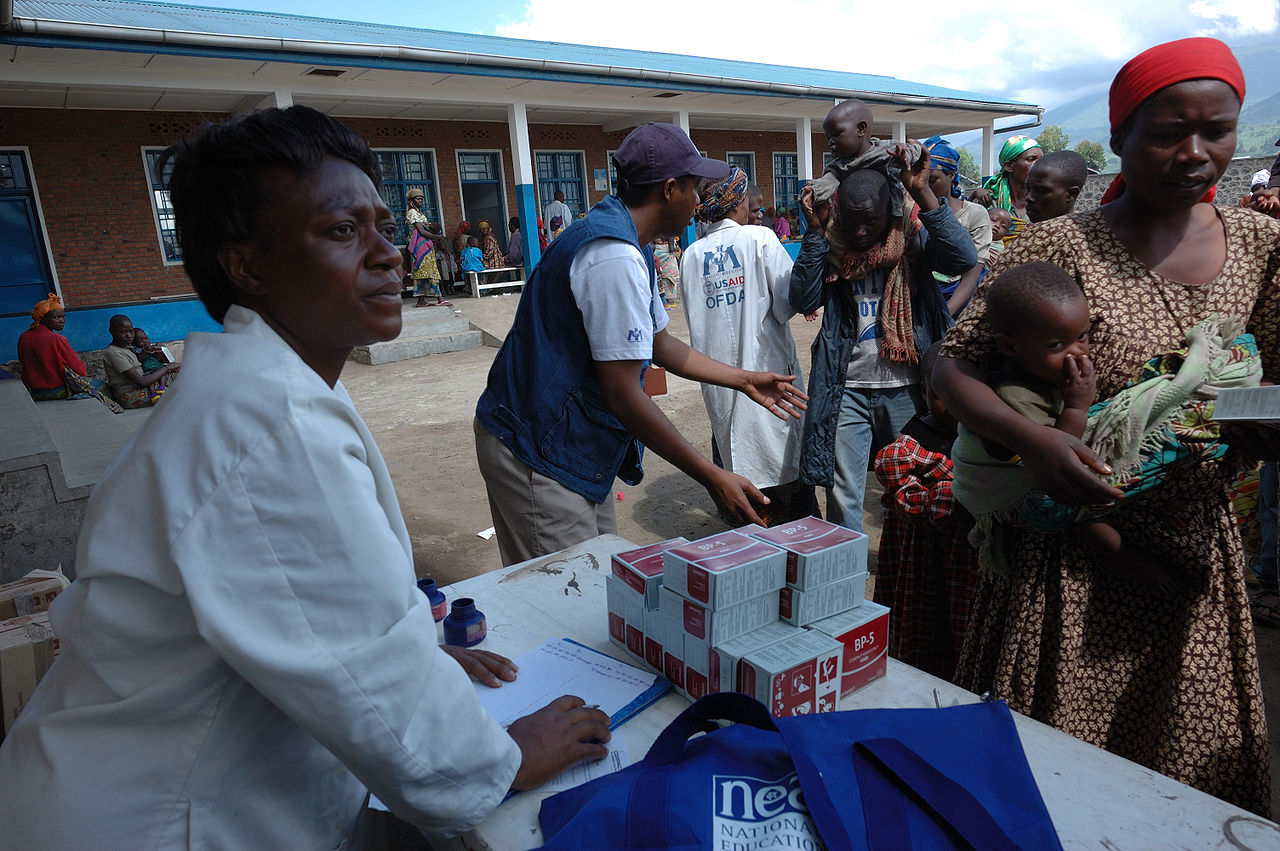
Humanitarian response is a complex and multifaceted field that involves providing aid and assistance to people in need, often in the aftermath of a crisis or disaster. The primary objective of humanitarian aid is to save lives, alleviate suffering, and maintain human dignity, as outlined by the United Nations. Humanitarian aid can take many forms, including food, shelter, medical care, and emotional support. According to the International Committee of the Red Cross, humanitarian aid is guided by the principles of humanity, impartiality, neutrality, and independence. For example, the Red Cross provides humanitarian aid to people affected by disasters and conflicts, regardless of their nationality or background.
🏥 The Primary Objective of Humanitarian Aid
The primary objective of humanitarian aid is to save lives, alleviate suffering, and maintain human dignity. This is achieved through the provision of essential goods and services, such as food, water, shelter, and medical care. Humanitarian aid is often provided in the short-term, with the goal of meeting the immediate needs of affected populations. However, in some cases, humanitarian aid may be required for an extended period, such as in the case of a protracted refugee crisis. The World Food Programme is an example of an organization that provides humanitarian aid in the form of food assistance to people in need, while the UNICEF focuses on providing aid to children and families affected by crises.
🌪️ Responding to Natural Disasters
Natural disasters, such as earthquakes, hurricanes, and tsunamis, can have a devastating impact on communities, resulting in widespread destruction and loss of life. Humanitarian response to natural disasters involves the provision of emergency aid, such as search and rescue operations, food, water, and shelter. The Federal Emergency Management Agency (FEMA) is an example of an organization that responds to natural disasters in the United States, while the International Federation of Red Cross and Red Crescent Societies provides humanitarian aid to people affected by disasters worldwide. For instance, the Haiti Earthquake in 2010 required a massive humanitarian response, with organizations like the Doctors Without Borders providing medical care to affected populations.
🏃♂️ Refugee Crisis and Displacement
Refugee crises and displacement are major humanitarian concerns, with millions of people around the world forced to flee their homes due to conflict, persecution, or natural disasters. Humanitarian response to refugee crises involves the provision of aid, such as food, shelter, and medical care, as well as protection and support for vulnerable populations. The UN High Commissioner for Refugees (UNHCR) is an example of an organization that provides humanitarian aid to refugees, while the International Rescue Committee provides support to refugees and displaced persons. For example, the Syrian Civil War has resulted in one of the largest refugee crises in recent history, with organizations like the Save the Children providing aid to affected populations.
🍴 Food Security and Famine Relief
Food security and famine relief are critical components of humanitarian response, particularly in areas affected by conflict, drought, or other crises. Humanitarian aid in the form of food assistance, such as food distributions and cash transfers, can help to alleviate hunger and malnutrition. The World Food Programme is an example of an organization that provides food assistance to people in need, while the Food and Agriculture Organization (FAO) works to improve food security and reduce hunger worldwide. For instance, the Somalia Famine in 2011 required a massive humanitarian response, with organizations like the Oxfam providing food and water to affected populations.
💸 Funding and Resource Allocation
Funding and resource allocation are critical components of humanitarian response, with organizations relying on donations and funding from governments, corporations, and individuals to provide aid and assistance. The United Nations Office for the Coordination of Humanitarian Affairs (OCHA) is an example of an organization that coordinates humanitarian response and allocates resources to affected areas. For example, the Typhoon Haiyan in 2013 required a massive humanitarian response, with organizations like the Catholic Relief Services providing aid to affected populations.
🤝 International Cooperation and Partnerships
International cooperation and partnerships are essential for effective humanitarian response, with organizations working together to provide aid and assistance to affected populations. The G7 and G20 are examples of international partnerships that work to address global humanitarian challenges, while the Humanitarian Cluster System is a framework for coordinating humanitarian response and allocating resources. For instance, the European Union provides humanitarian aid to people affected by crises, while the African Union works to address humanitarian challenges on the African continent.
🚨 Challenges and Controversies in Humanitarian Response
Challenges and controversies in humanitarian response include issues such as access, security, and funding, as well as debates over the effectiveness and impact of humanitarian aid. The Critique of Humanitarianism is an example of a debate that questions the underlying assumptions and principles of humanitarian response, while the Humanitarian Reform movement seeks to improve the effectiveness and efficiency of humanitarian aid. For example, the Yemen Civil War has raised concerns about the effectiveness of humanitarian response, with organizations like the Human Rights Watch criticizing the international community for not doing enough to address the crisis.
📊 Measuring the Effectiveness of Humanitarian Aid
Measuring the effectiveness of humanitarian aid is a critical component of humanitarian response, with organizations seeking to evaluate the impact and outcomes of their programs. The Sphere Project is an example of a framework for measuring the effectiveness of humanitarian aid, while the Humanitarian Effectiveness movement seeks to improve the quality and impact of humanitarian response. For instance, the Rohingya Crisis has required a massive humanitarian response, with organizations like the UNDP working to provide aid and support to affected populations.
🔮 Future of Humanitarian Response: Innovations and Trends
The future of humanitarian response will be shaped by innovations and trends such as the use of technology, the rise of new donors, and the increasing importance of localization and community-led response. The Humanitarian Technology movement is an example of a trend that seeks to leverage technology to improve humanitarian response, while the Grand Bargain is an agreement that seeks to improve the efficiency and effectiveness of humanitarian aid. For example, the Blockchain technology is being used to improve the transparency and accountability of humanitarian aid, with organizations like the World Vision using blockchain to track the delivery of aid to affected populations.
🌈 Conclusion: The Complex Web of Aid and Intervention
In conclusion, humanitarian response is a complex and multifaceted field that involves providing aid and assistance to people in need. The primary objective of humanitarian aid is to save lives, alleviate suffering, and maintain human dignity, and this is achieved through the provision of essential goods and services, such as food, water, shelter, and medical care. As the world continues to face new and emerging humanitarian challenges, it is essential that organizations and individuals work together to provide effective and efficient humanitarian response, and to address the underlying causes of humanitarian crises. For instance, the Climate Change is expected to increase the frequency and severity of natural disasters, making it essential for humanitarian organizations to be prepared to respond to these crises.
Key Facts
- Year
- 2020
- Origin
- International Humanitarian Law, Geneva Conventions
- Category
- Global Affairs
- Type
- Concept
Frequently Asked Questions
What is the primary objective of humanitarian aid?
The primary objective of humanitarian aid is to save lives, alleviate suffering, and maintain human dignity. This is achieved through the provision of essential goods and services, such as food, water, shelter, and medical care. Humanitarian aid is often provided in the short-term, with the goal of meeting the immediate needs of affected populations. For example, the World Health Organization provides humanitarian aid in the form of medical care and supplies to people affected by crises.
What are some of the challenges and controversies in humanitarian response?
Challenges and controversies in humanitarian response include issues such as access, security, and funding, as well as debates over the effectiveness and impact of humanitarian aid. The Critique of Humanitarianism is an example of a debate that questions the underlying assumptions and principles of humanitarian response, while the Humanitarian Reform movement seeks to improve the effectiveness and efficiency of humanitarian aid. For instance, the Yemen Civil War has raised concerns about the effectiveness of humanitarian response, with organizations like the Human Rights Watch criticizing the international community for not doing enough to address the crisis.
How is the effectiveness of humanitarian aid measured?
Measuring the effectiveness of humanitarian aid is a critical component of humanitarian response, with organizations seeking to evaluate the impact and outcomes of their programs. The Sphere Project is an example of a framework for measuring the effectiveness of humanitarian aid, while the Humanitarian Effectiveness movement seeks to improve the quality and impact of humanitarian response. For example, the Rohingya Crisis has required a massive humanitarian response, with organizations like the UNDP working to provide aid and support to affected populations.
What is the role of technology in humanitarian response?
The use of technology is becoming increasingly important in humanitarian response, with innovations such as mobile payments, data analytics, and drones being used to improve the efficiency and effectiveness of humanitarian aid. The Humanitarian Technology movement is an example of a trend that seeks to leverage technology to improve humanitarian response, while the Grand Bargain is an agreement that seeks to improve the efficiency and effectiveness of humanitarian aid. For instance, the Blockchain technology is being used to improve the transparency and accountability of humanitarian aid, with organizations like the World Vision using blockchain to track the delivery of aid to affected populations.
What is the future of humanitarian response?
The future of humanitarian response will be shaped by innovations and trends such as the use of technology, the rise of new donors, and the increasing importance of localization and community-led response. The Humanitarian Technology movement is an example of a trend that seeks to leverage technology to improve humanitarian response, while the Grand Bargain is an agreement that seeks to improve the efficiency and effectiveness of humanitarian aid. For example, the Climate Change is expected to increase the frequency and severity of natural disasters, making it essential for humanitarian organizations to be prepared to respond to these crises.
How can individuals get involved in humanitarian response?
Individuals can get involved in humanitarian response by donating to reputable organizations, volunteering their time and skills, and advocating for policies and programs that support humanitarian aid. The American Red Cross is an example of an organization that provides opportunities for individuals to get involved in humanitarian response, while the Humanitarian Career Network is a resource for individuals who want to pursue a career in humanitarian response. For instance, the Disaster Relief efforts after a natural disaster require the support of individuals and organizations to provide aid and assistance to affected populations.
What is the role of governments in humanitarian response?
Governments play a critical role in humanitarian response, providing funding, resources, and support to humanitarian organizations and affected populations. The United Nations Office for the Coordination of Humanitarian Affairs (OCHA) is an example of an organization that coordinates humanitarian response and allocates resources to affected areas. For example, the Typhoon Haiyan in 2013 required a massive humanitarian response, with governments like the United States providing aid and support to affected populations.