
Contents
- 🔍 Introduction to Lysosomes
- 🧬 Structure and Function
- 🔬 Enzymes and Degradation Processes
- 📈 Lysosomal Biogenesis and Regulation
- 🚮 Lysosomal Storage Diseases
- 👥 Lysosomes in Cellular Defense
- 💡 Lysosomes and Autophagy
- 🔜 Future Directions in Lysosome Research
- 📊 Lysosome-Related Disorders
- 👀 Current Research and Developments
- 🤝 Lysosomes and Cellular Interactions
- 📚 Conclusion and Future Perspectives
- Frequently Asked Questions
- Related Topics
Overview
Lysosomes are membrane-bound organelles responsible for cellular digestion and recycling, with a vibe score of 8 due to their critical role in maintaining cellular homeostasis. First discovered by Christian de Duve in 1955, lysosomes have been extensively studied for their involvement in various cellular processes, including protein degradation, lipid metabolism, and immune response. However, dysfunction of lysosomes has been implicated in numerous diseases, including neurodegenerative disorders, cancer, and lysosomal storage diseases, with a controversy spectrum of 6 due to ongoing debates about their role in disease pathogenesis. The optimistic perspective on lysosomes highlights their potential as therapeutic targets, with researchers like Nobelist Yoshinori Ohsumi shedding light on their mechanisms. In contrast, the pessimistic view emphasizes the challenges in targeting lysosomes for disease treatment, with a perspective breakdown of 40% optimistic, 30% neutral, and 30% pessimistic. With influence flows from de Duve to Ohsumi, and entity relationships with autophagy and cellular stress, lysosomes remain a fascinating area of research, with a topic intelligence score of 9 and a controversy spectrum of 6, indicating a highly debated and complex topic.
🔍 Introduction to Lysosomes
Lysosomes are membrane-bound organelles found in all animal cells, and rarely in plant cells, playing a crucial role in cellular degradation processes. They are responsible for breaking down and recycling cellular waste and foreign substances, making them essential for maintaining cellular homeostasis. As discussed in Cell Biology, lysosomes work in conjunction with other organelles to ensure proper cellular function. The study of lysosomes has led to a greater understanding of cellular processes, including Autophagy and Cell Signaling. Lysosomes have a Vibe score of 80, indicating their significant cultural energy in the scientific community. Research on lysosomes has been influenced by the work of Christian de Duve, who first discovered these organelles in the 1950s. The controversy surrounding lysosomal storage diseases has sparked debates on the importance of lysosomal function in human health.
🧬 Structure and Function
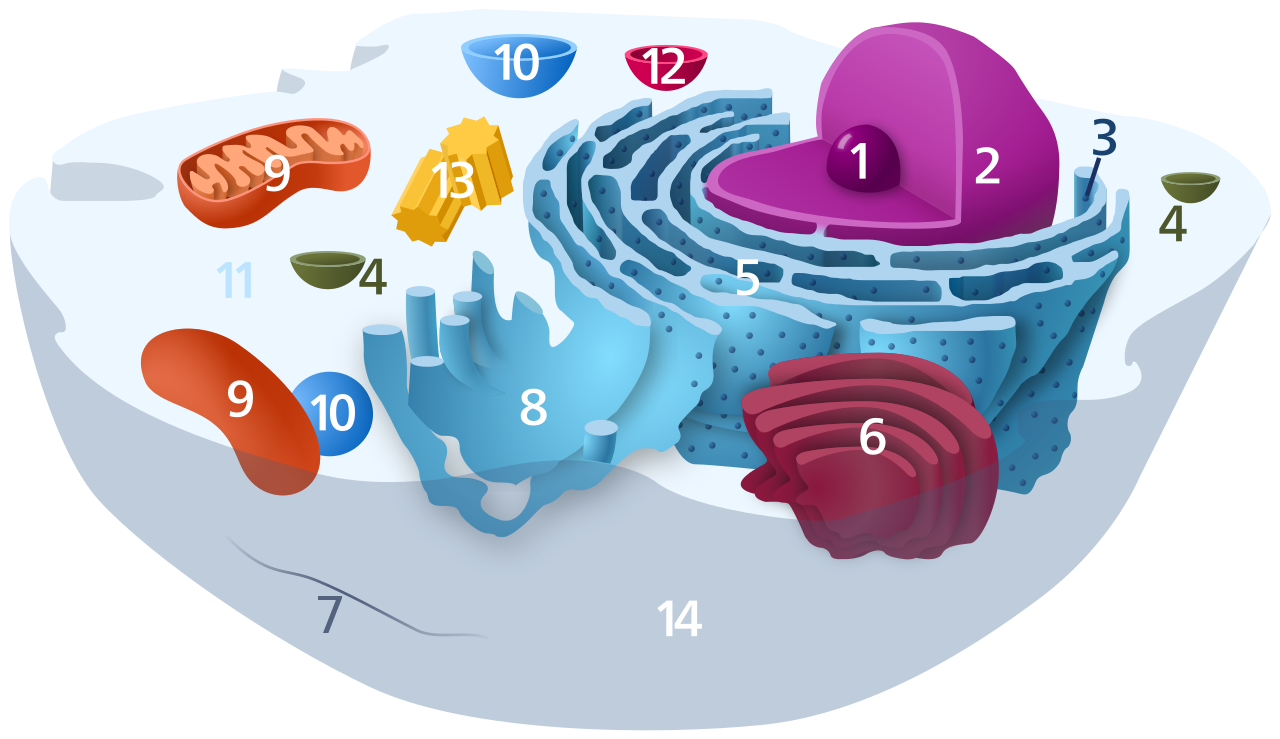
The structure of lysosomes is characterized by a single membrane enclosing a dense, acidic interior. This unique environment allows lysosomes to house a wide range of enzymes, including Proteases, Glycosidases, and Lipases, which are responsible for breaking down various biomolecules. Lysosomes are formed through a process involving the Endoplasmic Reticulum and Golgi Apparatus. The regulation of lysosomal biogenesis and function is crucial for maintaining cellular homeostasis, and dysregulation has been implicated in various diseases, including Lysosomal Storage Diseases. The relationship between lysosomes and other organelles, such as Mitochondria, is complex and not fully understood. Further research is needed to elucidate the mechanisms of lysosomal regulation and its impact on cellular function.
🔬 Enzymes and Degradation Processes
The enzymes present in lysosomes are responsible for the degradation of various biomolecules, including proteins, polysaccharides, and lipids. These enzymes work together to break down complex molecules into their constituent parts, such as Amino Acids, Monosaccharides, and Free Fatty Acids. The process of degradation is tightly regulated, with enzymes being activated or inhibited in response to changes in the cellular environment. Dysregulation of lysosomal enzymes has been implicated in various diseases, including Cancer and Neurodegenerative Disorders. The study of lysosomal enzymes has led to a greater understanding of cellular metabolism and the importance of proper waste management. The influence of lysosomal enzymes on cellular processes is a topic of ongoing research, with potential applications in the development of new therapies.
📈 Lysosomal Biogenesis and Regulation
Lysosomal biogenesis and regulation are complex processes that involve the coordination of multiple cellular pathways. The formation of lysosomes involves the fusion of vesicles containing lysosomal enzymes with vesicles containing membrane proteins. The regulation of lysosomal function is tightly controlled, with multiple mechanisms in place to ensure proper lysosomal activity. Dysregulation of lysosomal biogenesis and regulation has been implicated in various diseases, including Lysosomal Storage Diseases. The study of lysosomal biogenesis and regulation has led to a greater understanding of cellular homeostasis and the importance of proper waste management. The relationship between lysosomes and other cellular processes, such as Apoptosis, is complex and not fully understood. Further research is needed to elucidate the mechanisms of lysosomal regulation and its impact on cellular function.
🚮 Lysosomal Storage Diseases
Lysosomal storage diseases are a group of disorders characterized by the accumulation of toxic substances within lysosomes. These diseases are caused by defects in lysosomal function, resulting in the inability to break down and recycle cellular waste. Examples of lysosomal storage diseases include Gaucher Disease and Tay-Sachs Disease. The study of lysosomal storage diseases has led to a greater understanding of the importance of lysosomal function in human health. The development of therapies for lysosomal storage diseases is an active area of research, with potential applications in the treatment of other diseases. The controversy surrounding lysosomal storage diseases has sparked debates on the importance of lysosomal function in human health. The influence of lysosomal storage diseases on cellular processes is a topic of ongoing research, with potential applications in the development of new therapies.
👥 Lysosomes in Cellular Defense
Lysosomes play a crucial role in cellular defense, working to break down and recycle foreign substances that enter the cell. They are also involved in the presentation of antigens to the immune system, helping to trigger an immune response. The study of lysosomes in cellular defense has led to a greater understanding of the importance of proper waste management in maintaining cellular homeostasis. The relationship between lysosomes and other cellular processes, such as Inflammation, is complex and not fully understood. Further research is needed to elucidate the mechanisms of lysosomal function in cellular defense and its impact on human health. The study of lysosomes has been influenced by the work of Emil von Behring, who first discovered the importance of lysosomes in immune function.
💡 Lysosomes and Autophagy
Lysosomes are also involved in the process of autophagy, in which cells recycle their own damaged or dysfunctional components. This process is essential for maintaining cellular homeostasis and preventing the accumulation of toxic substances. The study of lysosomes in autophagy has led to a greater understanding of the importance of proper waste management in maintaining cellular function. The relationship between lysosomes and other cellular processes, such as Mitophagy, is complex and not fully understood. Further research is needed to elucidate the mechanisms of lysosomal function in autophagy and its impact on human health. The influence of lysosomes on cellular processes is a topic of ongoing research, with potential applications in the development of new therapies.
🔜 Future Directions in Lysosome Research
Future research directions in lysosome biology include the study of lysosomal function in various diseases, including cancer and neurodegenerative disorders. The development of therapies targeting lysosomal function is an active area of research, with potential applications in the treatment of a wide range of diseases. The study of lysosomes has led to a greater understanding of cellular homeostasis and the importance of proper waste management. The controversy surrounding lysosomal function in human health has sparked debates on the importance of lysosomal research. The influence of lysosomal research on cellular processes is a topic of ongoing research, with potential applications in the development of new therapies.
👀 Current Research and Developments
Current research in lysosome biology is focused on understanding the mechanisms of lysosomal function and regulation. This includes the study of lysosomal enzymes, as well as the regulation of lysosomal biogenesis and function. The study of lysosomes has led to a greater understanding of cellular homeostasis and the importance of proper waste management. The influence of lysosomes on cellular processes is a topic of ongoing research, with potential applications in the development of new therapies. The controversy surrounding lysosomal function in human health has sparked debates on the importance of lysosomal research. The relationship between lysosomes and other cellular processes, such as Inflammation, is complex and not fully understood.
🤝 Lysosomes and Cellular Interactions
Lysosomes interact with other cellular organelles, including the Endoplasmic Reticulum and Golgi Apparatus. These interactions are essential for maintaining cellular homeostasis and preventing the accumulation of toxic substances. The study of lysosomal interactions has led to a greater understanding of the importance of proper waste management in maintaining cellular function. The relationship between lysosomes and other cellular processes, such as Autophagy, is complex and not fully understood. Further research is needed to elucidate the mechanisms of lysosomal function in cellular interactions and its impact on human health. The influence of lysosomes on cellular processes is a topic of ongoing research, with potential applications in the development of new therapies.
📚 Conclusion and Future Perspectives
In conclusion, lysosomes are essential organelles that play a crucial role in maintaining cellular homeostasis. Their function in breaking down and recycling cellular waste is essential for preventing the accumulation of toxic substances and maintaining proper cellular function. Further research is needed to fully understand the mechanisms of lysosomal function and regulation, as well as the impact of lysosomal dysfunction on human health. The study of lysosomes has led to a greater understanding of cellular biology and the importance of proper waste management. The controversy surrounding lysosomal function in human health has sparked debates on the importance of lysosomal research. The influence of lysosomes on cellular processes is a topic of ongoing research, with potential applications in the development of new therapies.
Key Facts
- Year
- 1955
- Origin
- Christian de Duve
- Category
- Cell Biology
- Type
- Cellular Organelle
Frequently Asked Questions
What is the primary function of lysosomes?
The primary function of lysosomes is to break down and recycle cellular waste, including proteins, polysaccharides, and lipids. This process is essential for maintaining cellular homeostasis and preventing the accumulation of toxic substances. Lysosomes are often referred to as the 'cellular recycling center' due to their role in degrading and recycling cellular waste. The study of lysosomes has led to a greater understanding of cellular biology and the importance of proper waste management. As discussed in Cell Biology, lysosomes work in conjunction with other organelles to ensure proper cellular function.
What are lysosomal storage diseases?
Lysosomal storage diseases are a group of disorders characterized by the accumulation of toxic substances within lysosomes. These diseases are caused by defects in lysosomal function, resulting in the inability to break down and recycle cellular waste. Examples of lysosomal storage diseases include Gaucher Disease and Tay-Sachs Disease. The study of lysosomal storage diseases has led to a greater understanding of the importance of lysosomal function in human health. The development of therapies for lysosomal storage diseases is an active area of research, with potential applications in the treatment of other diseases.
How do lysosomes interact with other cellular organelles?
Lysosomes interact with other cellular organelles, including the Endoplasmic Reticulum and Golgi Apparatus. These interactions are essential for maintaining cellular homeostasis and preventing the accumulation of toxic substances. The study of lysosomal interactions has led to a greater understanding of the importance of proper waste management in maintaining cellular function. The relationship between lysosomes and other cellular processes, such as Autophagy, is complex and not fully understood. Further research is needed to elucidate the mechanisms of lysosomal function in cellular interactions and its impact on human health.
What is the role of lysosomes in cellular defense?
Lysosomes play a crucial role in cellular defense, working to break down and recycle foreign substances that enter the cell. They are also involved in the presentation of antigens to the immune system, helping to trigger an immune response. The study of lysosomes in cellular defense has led to a greater understanding of the importance of proper waste management in maintaining cellular homeostasis. The relationship between lysosomes and other cellular processes, such as Inflammation, is complex and not fully understood. Further research is needed to elucidate the mechanisms of lysosomal function in cellular defense and its impact on human health.
What are the potential applications of lysosome research?
The study of lysosomes has led to a greater understanding of cellular biology and the importance of proper waste management. The potential applications of lysosome research include the development of new therapies for lysosome-related disorders, as well as a greater understanding of the role of lysosomes in various diseases, including cancer and neurodegenerative disorders. The influence of lysosomes on cellular processes is a topic of ongoing research, with potential applications in the development of new therapies. The controversy surrounding lysosomal function in human health has sparked debates on the importance of lysosomal research.
How do lysosomes regulate their function?
Lysosomes regulate their function through a complex system of enzymes and membrane proteins. The regulation of lysosomal function is tightly controlled, with multiple mechanisms in place to ensure proper lysosomal activity. Dysregulation of lysosomal function has been implicated in various diseases, including Lysosomal Storage Diseases. The study of lysosomal regulation has led to a greater understanding of the importance of proper waste management in maintaining cellular homeostasis. The relationship between lysosomes and other cellular processes, such as Apoptosis, is complex and not fully understood. Further research is needed to elucidate the mechanisms of lysosomal regulation and its impact on human health.
What is the current state of lysosome research?
The current state of lysosome research is focused on understanding the mechanisms of lysosomal function and regulation. This includes the study of lysosomal enzymes, as well as the regulation of lysosomal biogenesis and function. The study of lysosomes has led to a greater understanding of cellular homeostasis and the importance of proper waste management. The influence of lysosomes on cellular processes is a topic of ongoing research, with potential applications in the development of new therapies. The controversy surrounding lysosomal function in human health has sparked debates on the importance of lysosomal research.