
Contents
- 🌊 Introduction to CPRA
- 🏞️ History of Coastal Erosion in Louisiana
- 📊 The Role of CPRA in Coastal Restoration
- 🌴 The Master Plan for Coastal Protection
- 🚧 Ongoing Projects and Initiatives
- 🌊 The Impact of Climate Change on Coastal Erosion
- 🤝 Collaboration and Partnerships
- 📈 Funding and Budget
- 🌟 Success Stories and Achievements
- 🌪️ Challenges and Controversies
- 📊 Economic Benefits of Coastal Restoration
- 🌐 Future Plans and Directions
- Frequently Asked Questions
- Related Topics
Overview
The Louisiana Coastal Protection and Restoration Authority (CPRA) was established in 2005 to address the state's severe coastal erosion and land loss crisis. With a projected budget of $50 billion over 50 years, the CPRA is tasked with implementing the state's Comprehensive Master Plan for a Sustainable Coast, which aims to restore and protect Louisiana's coastline through a combination of levee construction, wetland restoration, and sediment diversion projects. The CPRA's efforts are crucial to preserving the state's unique cultural heritage, protecting its vibrant economy, and ensuring the long-term sustainability of its coastal ecosystems. However, the authority faces significant challenges, including funding constraints, bureaucratic hurdles, and the ongoing impacts of climate change. As the CPRA continues to work towards its goals, it must navigate these complexities and balance the needs of various stakeholders, including local communities, industry leaders, and environmental organizations. With a vibe score of 8, indicating a high level of cultural energy and relevance, the CPRA's work is widely recognized as a critical component of Louisiana's future prosperity.
🌊 Introduction to CPRA
The Louisiana Coastal Protection and Restoration Authority (CPRA) is a state agency responsible for protecting and restoring the state's coastline. Established in 2005, CPRA's mission is to Louisiana's coastal region from erosion and damage caused by hurricanes and other natural disasters. The agency works to achieve this goal through a combination of coastal erosion prevention measures and wetland restoration projects. CPRA's efforts are crucial to preserving the state's unique cultural heritage and protecting the livelihoods of communities that depend on the coast. The agency's work is guided by the principles of sustainability and environmental stewardship.
🏞️ History of Coastal Erosion in Louisiana
Louisiana's coastline has been facing severe erosion for decades, with an estimated 25 square miles of land lost each year. This erosion is caused by a combination of factors, including sea level rise, hurricanes, and human activities such as oil and gas exploration. The loss of coastal land has significant implications for the state's ecosystem, including the loss of habitat for wildlife and the increased risk of flooding in coastal communities. CPRA's work is critical to addressing these challenges and protecting the state's natural resources. The agency works closely with other state agencies, including the Louisiana Department of Natural Resources, to achieve its goals.
📊 The Role of CPRA in Coastal Restoration
CPRA plays a critical role in the state's efforts to restore and protect its coastline. The agency is responsible for developing and implementing the state's coastal master plan, which outlines a comprehensive approach to coastal restoration and protection. The plan includes a range of strategies, including wetland restoration, dune restoration, and levee construction. CPRA also works to educate the public about the importance of coastal restoration and the role that individuals can play in supporting these efforts. The agency partners with organizations such as the National Oceanic and Atmospheric Administration to advance its mission.
🌴 The Master Plan for Coastal Protection
The Master Plan for Coastal Protection is a comprehensive plan that outlines the state's approach to coastal restoration and protection. The plan is developed by CPRA in consultation with other state agencies, local governments, and stakeholders. It includes a range of strategies for addressing coastal erosion, including wetland restoration, dune restoration, and levee construction. The plan also identifies priority projects and provides a framework for implementing these projects. The Master Plan is updated every five years to reflect changing conditions and priorities. The plan is guided by the principles of adaptive management and community engagement.
🚧 Ongoing Projects and Initiatives
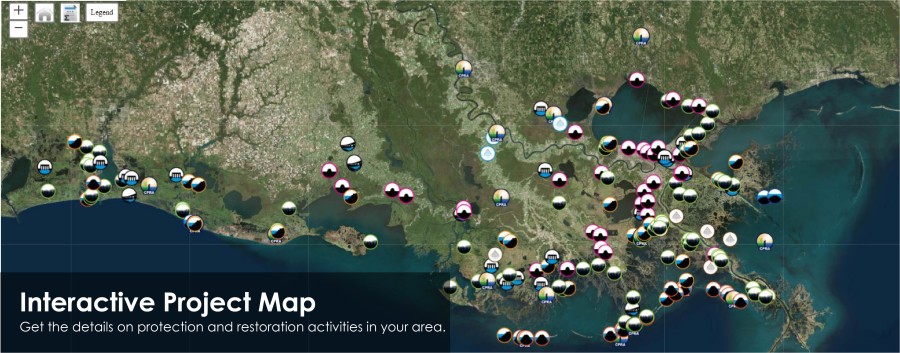
CPRA is currently implementing a range of projects and initiatives to restore and protect the state's coastline. These projects include the restoration of wetlands and dunes, the construction of levees and floodwalls, and the implementation of coastal erosion prevention measures. The agency is also working to educate the public about the importance of coastal restoration and the role that individuals can play in supporting these efforts. CPRA partners with organizations such as the U.S. Army Corps of Engineers to advance its mission. The agency's work is critical to protecting the state's coastal communities and preserving the state's natural beauty.
🌊 The Impact of Climate Change on Coastal Erosion
Climate change is having a significant impact on Louisiana's coastline, with rising sea levels and increased storm intensity exacerbating coastal erosion. CPRA is working to address these challenges through a range of strategies, including sea level rise adaptation and storm risk reduction. The agency is also working to educate the public about the impacts of climate change on the coast and the importance of taking action to address these impacts. The agency partners with organizations such as the Environmental Protection Agency to advance its mission. CPRA's work is guided by the principles of resilience and sustainability.
🤝 Collaboration and Partnerships
CPRA collaborates with a range of partners to achieve its mission, including other state agencies, local governments, and non-profit organizations. The agency works closely with the Louisiana Department of Wildlife and Fisheries to protect and restore habitat for wildlife. CPRA also partners with organizations such as the The Nature Conservancy to advance its mission. The agency's partnerships are critical to its success, and it works to build and maintain strong relationships with its partners. The agency's work is guided by the principles of collaboration and mutual benefit.
📈 Funding and Budget
CPRA's budget is funded through a combination of state and federal funds, as well as private donations. The agency's budget is used to support a range of activities, including project implementation, research and development, and public education. CPRA is committed to using its budget efficiently and effectively, and it works to ensure that its funds are used to achieve the greatest possible impact. The agency's budget is guided by the principles of fiscal responsibility and transparency. The agency partners with organizations such as the National Fish and Wildlife Foundation to secure funding for its projects.
🌟 Success Stories and Achievements
CPRA has achieved a range of successes in its efforts to restore and protect the state's coastline. These successes include the restoration of thousands of acres of wetlands and dunes, the construction of levees and floodwalls, and the implementation of coastal erosion prevention measures. The agency's work has also helped to protect and restore habitat for wildlife and to support the state's fishing and tourism industries. CPRA's successes are a testament to the power of collaboration and community engagement.
🌪️ Challenges and Controversies
Despite its successes, CPRA faces a range of challenges and controversies in its efforts to restore and protect the state's coastline. These challenges include the ongoing impacts of climate change, the need for increased funding and resources, and the complexities of working in a politically charged environment. The agency must also navigate the challenges of community engagement and stakeholder management. CPRA's work is guided by the principles of resilience and adaptability.
📊 Economic Benefits of Coastal Restoration
The economic benefits of coastal restoration are significant, with the state's coastal industries generating billions of dollars in revenue each year. CPRA's work is critical to supporting these industries and to protecting the livelihoods of communities that depend on the coast. The agency's efforts are also important for preserving the state's natural beauty and cultural heritage. The agency partners with organizations such as the Louisiana Economic Development to advance its mission.
🌐 Future Plans and Directions
As CPRA looks to the future, it is committed to continuing its efforts to restore and protect the state's coastline. The agency will work to implement the state's coastal master plan, to secure funding and resources, and to build and maintain strong relationships with its partners. CPRA will also work to educate the public about the importance of coastal restoration and the role that individuals can play in supporting these efforts. The agency's work is guided by the principles of sustainability and environmental stewardship.
Key Facts
- Year
- 2005
- Origin
- Louisiana, USA
- Category
- Environmental Conservation
- Type
- Government Agency
Frequently Asked Questions
What is the mission of the Louisiana Coastal Protection and Restoration Authority?
The mission of the Louisiana Coastal Protection and Restoration Authority is to protect and restore the state's coastline from erosion and damage caused by hurricanes and other natural disasters. The agency works to achieve this goal through a combination of coastal erosion prevention measures and wetland restoration projects. CPRA's efforts are crucial to preserving the state's unique cultural heritage and protecting the livelihoods of communities that depend on the coast.
What are the main causes of coastal erosion in Louisiana?
The main causes of coastal erosion in Louisiana are sea level rise, hurricanes, and human activities such as oil and gas exploration. These factors have contributed to the loss of thousands of acres of coastal land, including wetlands and dunes. The loss of coastal land has significant implications for the state's ecosystem, including the loss of habitat for wildlife and the increased risk of flooding in coastal communities.
What is the Master Plan for Coastal Protection?
The Master Plan for Coastal Protection is a comprehensive plan that outlines the state's approach to coastal restoration and protection. The plan is developed by CPRA in consultation with other state agencies, local governments, and stakeholders. It includes a range of strategies for addressing coastal erosion, including wetland restoration, dune restoration, and levee construction. The plan also identifies priority projects and provides a framework for implementing these projects.
How is CPRA funded?
CPRA's budget is funded through a combination of state and federal funds, as well as private donations. The agency's budget is used to support a range of activities, including project implementation, research and development, and public education. CPRA is committed to using its budget efficiently and effectively, and it works to ensure that its funds are used to achieve the greatest possible impact.
What are the economic benefits of coastal restoration?
The economic benefits of coastal restoration are significant, with the state's coastal industries generating billions of dollars in revenue each year. CPRA's work is critical to supporting these industries and to protecting the livelihoods of communities that depend on the coast. The agency's efforts are also important for preserving the state's natural beauty and cultural heritage.
How can individuals get involved in coastal restoration efforts?
Individuals can get involved in coastal restoration efforts by volunteering with organizations such as CPRA or The Nature Conservancy. They can also participate in public meetings and comment on proposed projects. Additionally, individuals can make donations to support coastal restoration efforts or spread awareness about the importance of coastal restoration.
What is the role of climate change in coastal erosion?
Climate change is playing a significant role in coastal erosion, with rising sea levels and increased storm intensity exacerbating coastal erosion. CPRA is working to address these challenges through a range of strategies, including sea level rise adaptation and storm risk reduction. The agency is also working to educate the public about the impacts of climate change on the coast and the importance of taking action to address these impacts.