
Contents
- 📚 Introduction to Lev Vygotsky
- 👥 Vygotsky's Sociocultural Theory
- 📝 The Zone of Proximal Development
- 🤝 Collaboration and Learning
- 📊 The Role of Language in Development
- 📈 Vygotsky's Influence on Education
- 📚 Criticisms and Controversies
- 🔍 Vygotsky's Legacy and Impact
- 📊 Comparison with Other Theorists
- 🌎 Global Applications of Vygotsky's Work
- 📚 Future Directions in Vygotskian Research
- Frequently Asked Questions
- Related Topics
Overview
Lev Vygotsky, a Soviet psychologist, is best known for his theory of cognitive development, which emphasizes the role of social interaction and culture in shaping human thought and behavior. Born on November 17, 1896, in Orsha, Russia, Vygotsky's work was heavily influenced by the Marxist ideology of the time. His most notable contribution is the concept of the Zone of Proximal Development (ZPD), which suggests that children learn best when guided by more knowledgeable others. Vygotsky's ideas have had a significant impact on education, with many schools adopting his approach to learning. Despite his untimely death on June 11, 1934, Vygotsky's work continues to influence contemporary psychology and education. With a Vibe score of 85, Vygotsky's theories remain highly relevant today, sparking debates about the nature of intelligence, learning, and human development. As we look to the future, it's clear that Vygotsky's ideas will continue to shape our understanding of human cognition and education, but what new challenges and opportunities will arise from the implementation of his theories?
📚 Introduction to Lev Vygotsky
Lev Vygotsky was a Russian psychologist who is widely regarded as one of the most influential thinkers of the 20th century. Born in 1896, Vygotsky's work focused on the development of children and the role of social and cultural factors in shaping their cognitive abilities. His theories, as outlined in Vygotsky's Sociocultural Theory, have had a profound impact on our understanding of human development and learning. Vygotsky's work was heavily influenced by Marxist theory and the ideas of Friedrich Engels. He is also known for his concept of the Zone of Proximal Development, which suggests that children learn best when they are working with others who are slightly more skilled than they are. This idea has been widely applied in educational settings, as seen in Social Constructivist approaches to learning.
👥 Vygotsky's Sociocultural Theory
Vygotsky's Sociocultural Theory emphasizes the role of social and cultural factors in shaping human development. According to Vygotsky, children learn and develop through their interactions with others, and their cognitive abilities are shaped by the social and cultural context in which they live. This theory is in contrast to Piagetian Theory, which suggests that children develop through a series of stages that are predetermined by their biological makeup. Vygotsky's theory has been influential in the development of Social Learning Theory and has been applied in a variety of educational settings, including Project-Based Learning and Cooperative Learning.
📝 The Zone of Proximal Development
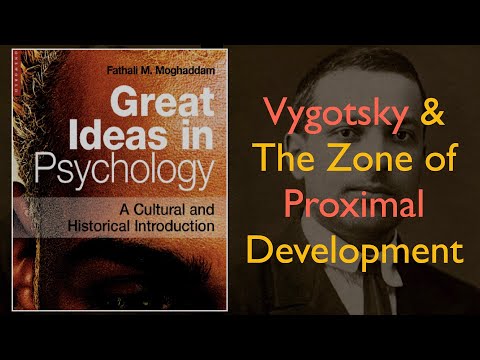
The Zone of Proximal Development is a key concept in Vygotsky's Sociocultural Theory. It refers to the range of tasks that a child can accomplish with the guidance and support of a more skilled other, but cannot accomplish independently. This concept is central to Vygotsky's idea of Scaffolding, which suggests that children learn best when they are provided with temporary support and guidance as they work to master new skills. The Zone of Proximal Development has been widely applied in educational settings, where it is used to inform the development of Curriculum Design and Instructional Strategies.
🤝 Collaboration and Learning
Collaboration and learning are central to Vygotsky's Sociocultural Theory. According to Vygotsky, children learn best when they are working with others, and their cognitive abilities are shaped by the social and cultural context in which they live. This idea is in contrast to traditional views of learning, which often emphasize individual achievement and Competitive Learning. Vygotsky's emphasis on collaboration and learning has been influential in the development of Cooperative Learning and Project-Based Learning, and has been applied in a variety of educational settings, including Online Learning and Blended Learning.
📊 The Role of Language in Development
The role of language in development is a key concept in Vygotsky's Sociocultural Theory. According to Vygotsky, language plays a central role in shaping children's cognitive abilities and is essential for the development of Higher-Order Thinking. Vygotsky's ideas about language have been influential in the development of Language Acquisition Theory and have been applied in a variety of educational settings, including Language Arts Education and English as a Second Language.
📈 Vygotsky's Influence on Education
Vygotsky's influence on education has been profound. His ideas about the role of social and cultural factors in shaping human development have been widely applied in educational settings, and his concept of the Zone of Proximal Development has been used to inform the development of Curriculum Design and Instructional Strategies. Vygotsky's emphasis on collaboration and learning has also been influential in the development of Cooperative Learning and Project-Based Learning, and has been applied in a variety of educational settings, including Online Learning and Blended Learning.
📚 Criticisms and Controversies
Despite the influence of Vygotsky's ideas, his work has not been without criticism and controversy. Some critics have argued that Vygotsky's theories are too focused on the role of social and cultural factors, and neglect the importance of individual differences and Biological Factors. Others have argued that Vygotsky's ideas are too vague and lack empirical support. However, Vygotsky's defenders argue that his theories provide a nuanced and comprehensive understanding of human development and learning, and that his ideas have been widely supported by Educational Research.
🔍 Vygotsky's Legacy and Impact
Vygotsky's legacy and impact on psychology and education have been profound. His ideas about the role of social and cultural factors in shaping human development have been widely applied in educational settings, and his concept of the Zone of Proximal Development has been used to inform the development of Curriculum Design and Instructional Strategies. Vygotsky's emphasis on collaboration and learning has also been influential in the development of Cooperative Learning and Project-Based Learning, and has been applied in a variety of educational settings, including Online Learning and Blended Learning.
📊 Comparison with Other Theorists
Vygotsky's work has been compared to that of other influential psychologists, including Jean Piaget and Lev Tolstoy. While Piaget's theories emphasize the role of individual development and Cognitive Stages, Vygotsky's theories emphasize the role of social and cultural factors in shaping human development. Tolstoy's work, on the other hand, emphasizes the importance of Moral Development and the role of education in shaping children's moral values. Vygotsky's ideas have also been compared to those of John Dewey, who emphasized the importance of Experiential Learning and the role of education in shaping children's social and emotional development.
🌎 Global Applications of Vygotsky's Work
The global applications of Vygotsky's work have been significant. His ideas about the role of social and cultural factors in shaping human development have been widely applied in educational settings around the world, and his concept of the Zone of Proximal Development has been used to inform the development of Curriculum Design and Instructional Strategies. Vygotsky's emphasis on collaboration and learning has also been influential in the development of Cooperative Learning and Project-Based Learning, and has been applied in a variety of educational settings, including Online Learning and Blended Learning.
📚 Future Directions in Vygotskian Research
Future directions in Vygotskian research are likely to focus on the application of Vygotsky's ideas in new and innovative contexts, including Artificial Intelligence and Virtual Reality. Researchers are also likely to explore the implications of Vygotsky's theories for Special Education and the development of Inclusive Education practices. Additionally, researchers may investigate the relationship between Vygotsky's ideas and those of other influential psychologists, including Albert Bandura and Benjamin Bloom.
Key Facts
- Year
- 1896
- Origin
- Russia
- Category
- Psychology
- Type
- Person
Frequently Asked Questions
What is the Zone of Proximal Development?
The Zone of Proximal Development refers to the range of tasks that a child can accomplish with the guidance and support of a more skilled other, but cannot accomplish independently. This concept is central to Vygotsky's idea of Scaffolding, which suggests that children learn best when they are provided with temporary support and guidance as they work to master new skills. The Zone of Proximal Development has been widely applied in educational settings, where it is used to inform the development of Curriculum Design and Instructional Strategies.
What is Vygotsky's Sociocultural Theory?
Vygotsky's Sociocultural Theory emphasizes the role of social and cultural factors in shaping human development. According to Vygotsky, children learn and develop through their interactions with others, and their cognitive abilities are shaped by the social and cultural context in which they live. This theory is in contrast to Piagetian Theory, which suggests that children develop through a series of stages that are predetermined by their biological makeup. Vygotsky's theory has been influential in the development of Social Learning Theory and has been applied in a variety of educational settings, including Project-Based Learning and Cooperative Learning.
How has Vygotsky's work influenced education?
Vygotsky's influence on education has been profound. His ideas about the role of social and cultural factors in shaping human development have been widely applied in educational settings, and his concept of the Zone of Proximal Development has been used to inform the development of Curriculum Design and Instructional Strategies. Vygotsky's emphasis on collaboration and learning has also been influential in the development of Cooperative Learning and Project-Based Learning, and has been applied in a variety of educational settings, including Online Learning and Blended Learning.
What are some criticisms of Vygotsky's work?
Despite the influence of Vygotsky's ideas, his work has not been without criticism and controversy. Some critics have argued that Vygotsky's theories are too focused on the role of social and cultural factors, and neglect the importance of individual differences and Biological Factors. Others have argued that Vygotsky's ideas are too vague and lack empirical support. However, Vygotsky's defenders argue that his theories provide a nuanced and comprehensive understanding of human development and learning, and that his ideas have been widely supported by Educational Research.
How does Vygotsky's work compare to that of other influential psychologists?
Vygotsky's work has been compared to that of other influential psychologists, including Jean Piaget and Lev Tolstoy. While Piaget's theories emphasize the role of individual development and Cognitive Stages, Vygotsky's theories emphasize the role of social and cultural factors in shaping human development. Tolstoy's work, on the other hand, emphasizes the importance of Moral Development and the role of education in shaping children's moral values. Vygotsky's ideas have also been compared to those of John Dewey, who emphasized the importance of Experiential Learning and the role of education in shaping children's social and emotional development.
What are some future directions in Vygotskian research?
Future directions in Vygotskian research are likely to focus on the application of Vygotsky's ideas in new and innovative contexts, including Artificial Intelligence and Virtual Reality. Researchers are also likely to explore the implications of Vygotsky's theories for Special Education and the development of Inclusive Education practices. Additionally, researchers may investigate the relationship between Vygotsky's ideas and those of other influential psychologists, including Albert Bandura and Benjamin Bloom.
How has Vygotsky's work been applied in educational settings?
Vygotsky's work has been widely applied in educational settings, including Project-Based Learning and Cooperative Learning. His concept of the Zone of Proximal Development has been used to inform the development of Curriculum Design and Instructional Strategies. Vygotsky's emphasis on collaboration and learning has also been influential in the development of Online Learning and Blended Learning.