
Contents
- 📝 Introduction to Interviews
- 💼 The Purpose of Interviews
- 📰 The Journalism Aspect
- 👥 Types of Interviews
- 📚 Preparation is Key
- 💡 The Art of Questioning
- 📝 Effective Listening
- 📊 Analyzing Responses
- 📈 The Future of Interviews
- 👀 Best Practices
- 🤝 Building Rapport
- 📊 Measuring Success
- Frequently Asked Questions
- Related Topics
Overview
Interviews have been a cornerstone of human interaction, from journalistic inquiries to job screenings, with a vibe rating of 8 out of 10. The first recorded interview dates back to 1859, when Horace Greeley interviewed Brigham Young for the New York Tribune. Today, interviews are a ubiquitous part of our lives, with over 100 million job interviews conducted annually in the United States alone. However, the art of interviewing is not without its challenges and controversies, with many arguing that traditional interview methods are flawed and biased. Despite these criticisms, interviews remain a crucial tool for uncovering hidden insights and unspoken truths, with many notable figures, such as Oprah Winfrey and Larry King, having built their careers on the art of interviewing. As we move forward, it will be interesting to see how the rise of AI-powered interview tools and virtual reality interviews will change the landscape of this ancient practice, with some predicting that these new technologies will increase the efficiency and effectiveness of interviews, while others warn of the potential risks of bias and misinterpretation.
📝 Introduction to Interviews
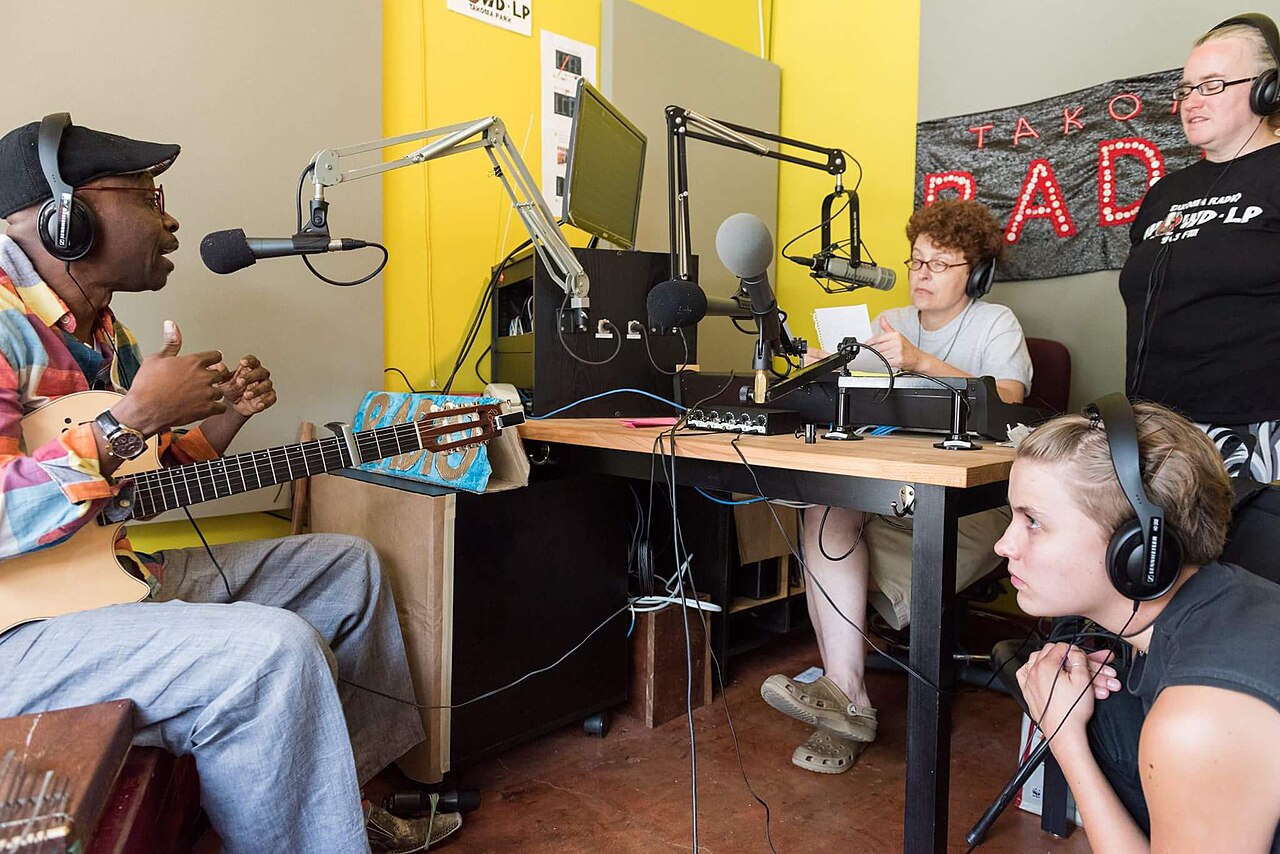
The art of interviews is a crucial aspect of Communication that involves a structured conversation between two parties, typically an interviewer and an interviewee. As noted by Journalism experts, an interview is a form of information gathering where one participant asks questions, and the other provides answers. This exchange of information can be used or provided to other audiences immediately or later, as seen in Job Interviews or interviews with Witnesses to an event. The primary goal of an interview is to gather information, and as such, it is essential to understand the Importance of Communication in this context.
💼 The Purpose of Interviews
The purpose of interviews can vary greatly depending on the context. In a Job Search, an interview is used to assess a candidate's qualifications and fit for a particular role. In Investigative Journalism, an interview may be used to gather information about a specific event or issue. As Interview Techniques expert, Robert Kiyosaki, notes, the key to a successful interview is to ask the right questions and listen attentively to the responses. This is particularly important in Sales Interviews where building rapport with the client is crucial.
📰 The Journalism Aspect
The journalism aspect of interviews is a critical component of the process. As Journalism Ethics dictate, journalists must ensure that their interviews are conducted in a fair and unbiased manner. This means being aware of their own Biases and taking steps to mitigate them. In Investigative Reporting, interviews are often used to uncover new information and shed light on important issues. As seen in the work of Sarah Kendzior, a journalist known for her in-depth interviews and Investigative Journalism.
👥 Types of Interviews
There are many types of interviews, each with its own unique characteristics and purposes. Panel Interviews involve a group of interviewers asking questions to a single candidate, while Group Interviews involve a group of candidates being interviewed at the same time. As Interview Coaching expert, Lindsey Pollak, notes, it's essential to be prepared for any type of interview and to understand the Dynamics of Communication at play. This includes being aware of Nonverbal Communication cues and using Active Listening techniques to build rapport with the interviewer.
📚 Preparation is Key
Preparation is key to a successful interview. As Career Development expert, Richard Bolles, notes, it's essential to research the company and the position before the interview. This includes reviewing the company's Mission Statement and understanding their Company Culture. Additionally, it's crucial to practice Interview Skills such as answering common interview questions and using Storytelling Techniques to convey your message. As seen in the work of Gary Vaynerchuk, a marketing expert who emphasizes the importance of Personal Branding in interviews.
💡 The Art of Questioning
The art of questioning is a critical component of the interview process. As Critical Thinking expert, Daniel Kahneman, notes, it's essential to ask open-ended questions that encourage the interviewee to provide detailed and thoughtful responses. This includes using Behavioral Interviewing techniques to assess a candidate's past experiences and behaviors. Additionally, it's crucial to avoid Leading Questions and to use Active Listening techniques to build rapport with the interviewee. As seen in the work of Tim Ferriss, a journalist known for his in-depth interviews and Self Improvement advice.
📝 Effective Listening
Effective listening is essential to a successful interview. As Emotional Intelligence expert, Daniel Goleman, notes, it's crucial to pay attention to both the verbal and nonverbal cues of the interviewee. This includes being aware of Body Language and using Paraphrasing techniques to ensure understanding. Additionally, it's essential to avoid Interruptions and to use Reflective Listening techniques to build rapport with the interviewee. As seen in the work of Brené Brown, a research professor who emphasizes the importance of Vulnerability in interviews.
📊 Analyzing Responses
Analyzing responses is a critical component of the interview process. As Data Analysis expert, Nate Silver, notes, it's essential to look for patterns and trends in the interviewee's responses. This includes using Statistical Analysis techniques to identify correlations and causations. Additionally, it's crucial to consider the Context of the interview and to use Critical Thinking techniques to evaluate the interviewee's responses. As seen in the work of Malcolm Gladwell, a journalist known for his in-depth analysis of Social Science topics.
📈 The Future of Interviews
The future of interviews is likely to involve more technology and innovation. As Artificial Intelligence expert, Andrew Ng, notes, AI-powered interview tools can help to streamline the interview process and provide more accurate assessments of candidates. Additionally, Virtual Reality technology can be used to create more immersive and engaging interview experiences. As seen in the work of Elon Musk, a entrepreneur who emphasizes the importance of Innovation in the interview process.
👀 Best Practices
Best practices for interviews include being prepared, asking open-ended questions, and using active listening techniques. As Career Coaching expert, Laura Berman Fortgang, notes, it's essential to research the company and the position before the interview. Additionally, it's crucial to practice Interview Skills such as answering common interview questions and using Storytelling Techniques to convey your message. As seen in the work of Simon Sinek, a leadership expert who emphasizes the importance of Purpose in interviews.
🤝 Building Rapport
Building rapport with the interviewee is essential to a successful interview. As Social Skills expert, Chris Voss, notes, it's crucial to establish a connection with the interviewee and to use Active Listening techniques to build trust. This includes being aware of Nonverbal Communication cues and using Mirroring techniques to build rapport. Additionally, it's essential to avoid Interruptions and to use Reflective Listening techniques to ensure understanding. As seen in the work of Robert Cialdini, a psychologist who emphasizes the importance of Influence in interviews.
📊 Measuring Success
Measuring the success of an interview can be challenging, but there are several metrics that can be used. As HR Management expert, Laszlo Bock, notes, it's essential to evaluate the interviewee's responses and to assess their fit for the position. This includes using Behavioral Interviewing techniques to evaluate the candidate's past experiences and behaviors. Additionally, it's crucial to consider the Candidate Experience and to use Net Promoter Score to evaluate the candidate's satisfaction with the interview process. As seen in the work of Gary Hamel, a management expert who emphasizes the importance of Strategic Management in the interview process.
Key Facts
- Year
- 1859
- Origin
- New York Tribune
- Category
- Communication
- Type
- Concept
Frequently Asked Questions
What is the purpose of an interview?
The primary purpose of an interview is to gather information, and as such, it is essential to understand the Importance of Communication in this context. The purpose of an interview can vary greatly depending on the context, but it is typically used to assess a candidate's qualifications and fit for a particular role. As Interview Techniques expert, Robert Kiyosaki, notes, the key to a successful interview is to ask the right questions and listen attentively to the responses.
What are the different types of interviews?
There are many types of interviews, each with its own unique characteristics and purposes. Panel Interviews involve a group of interviewers asking questions to a single candidate, while Group Interviews involve a group of candidates being interviewed at the same time. As Interview Coaching expert, Lindsey Pollak, notes, it's essential to be prepared for any type of interview and to understand the Dynamics of Communication at play.
How can I prepare for an interview?
Preparation is key to a successful interview. As Career Development expert, Richard Bolles, notes, it's essential to research the company and the position before the interview. This includes reviewing the company's Mission Statement and understanding their Company Culture. Additionally, it's crucial to practice Interview Skills such as answering common interview questions and using Storytelling Techniques to convey your message.
What are some common interview questions?
Common interview questions can vary depending on the position and company, but some examples include 'Why do you want to work for this company?' and 'What are your strengths and weaknesses?' As Interview Techniques expert, Robert Kiyosaki, notes, it's essential to be prepared to answer these types of questions and to use Storytelling Techniques to convey your message.
How can I improve my interview skills?
Improving your interview skills takes practice and preparation. As Career Coaching expert, Laura Berman Fortgang, notes, it's essential to research the company and the position before the interview. Additionally, it's crucial to practice Interview Skills such as answering common interview questions and using Storytelling Techniques to convey your message. As seen in the work of Simon Sinek, a leadership expert who emphasizes the importance of Purpose in interviews.
What is the future of interviews?
The future of interviews is likely to involve more technology and innovation. As Artificial Intelligence expert, Andrew Ng, notes, AI-powered interview tools can help to streamline the interview process and provide more accurate assessments of candidates. Additionally, Virtual Reality technology can be used to create more immersive and engaging interview experiences. As seen in the work of Elon Musk, a entrepreneur who emphasizes the importance of Innovation in the interview process.
How can I build rapport with the interviewee?
Building rapport with the interviewee is essential to a successful interview. As Social Skills expert, Chris Voss, notes, it's crucial to establish a connection with the interviewee and to use Active Listening techniques to build trust. This includes being aware of Nonverbal Communication cues and using Mirroring techniques to build rapport. Additionally, it's essential to avoid Interruptions and to use Reflective Listening techniques to ensure understanding.