
Contents
- 📊 Introduction to Robert Kiyosaki
- 💸 Challenging Conventional Wisdom
- 📚 Early Life and Education
- 📈 Career and Financial Philosophy
- 📊 Criticisms and Controversies
- 📚 Best-Selling Books and Media
- 📺 Television and Radio Appearances
- 🌎 Global Impact and Influence
- 🤝 Collaborations and Partnerships
- 📊 Financial Education and Legacy
- 💡 Future of Finance and Predictions
- Frequently Asked Questions
- Related Topics
Overview
Robert Kiyosaki, born on April 8, 1947, in Hilo, Hawaii, is a Japanese-American entrepreneur, investor, and author who has been a prominent figure in the personal finance space for over three decades. With a Vibe score of 82, Kiyosaki has built a massive following through his books, including the bestselling 'Rich Dad Poor Dad', which has sold over 32 million copies worldwide. His unconventional approach to finance, emphasizing financial literacy and entrepreneurship over traditional employment, has sparked both praise and criticism. Kiyosaki's influence can be seen in the work of other financial experts, such as Dave Ramsey and Suze Orman, and his ideas have been debated by economists like Paul Krugman. As a self-made millionaire, Kiyosaki continues to challenge conventional wisdom on money and wealth, inspiring a new generation of investors and entrepreneurs. With a controversy spectrum rating of 6.5, Kiyosaki's ideas are not without their critics, but his impact on the personal finance landscape is undeniable.
📊 Introduction to Robert Kiyosaki
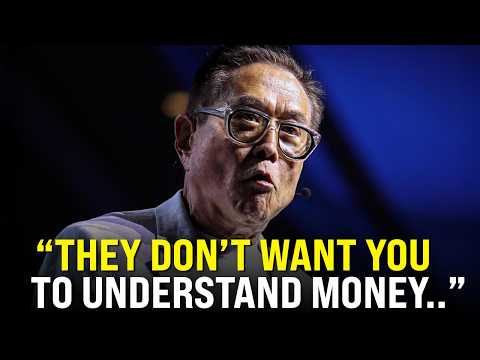
Robert Kiyosaki is a well-known American businessman, investor, and author, best recognized for his Rich Dad Poor Dad book series. Born on April 8, 1947, in Hilo, Hawaii, Kiyosaki's financial philosophy has been shaped by his two fathers: his own 'poor dad,' who was a well-educated government worker, and his 'rich dad,' who was a high school dropout but a successful entrepreneur. Kiyosaki's unique perspective on money and wealth has made him a prominent figure in the world of personal finance. His ideas have been influenced by various thinkers, including Warren Buffett and Benjamin Graham.
💸 Challenging Conventional Wisdom
Kiyosaki's financial philosophy challenges conventional wisdom by emphasizing the importance of financial literacy and the need to think differently about money. He argues that the traditional approach to money, which emphasizes saving and investing in a diversified portfolio of stocks, bonds, and mutual funds, is not effective for achieving financial freedom. Instead, Kiyosaki advocates for building wealth through real estate investing, starting and owning businesses, and investing in precious metals. His unorthodox approach has been both praised and criticized by experts in the field, including Dave Ramsey and Suze Orman.
📚 Early Life and Education
Kiyosaki's early life and education played a significant role in shaping his financial philosophy. He graduated from the United States Merchant Marine Academy in 1969 and served in the Marine Corps during the Vietnam War. After his military service, Kiyosaki worked as a salesman for Xerox and later started his own company, which eventually went bankrupt. This experience taught him valuable lessons about the importance of risk management and the need to be adaptable in business. Kiyosaki has also been influenced by the ideas of Nassim Nicholas Taleb and Peter Thiel.
📈 Career and Financial Philosophy
Kiyosaki's career and financial philosophy have been marked by both successes and failures. He has built a business empire through his Rich Dad brand, which includes books, seminars, and other financial education products. Kiyosaki has also invested in various assets, including real estate, stocks, and precious metals. His financial philosophy emphasizes the importance of passive income and the need to build multiple streams of income. Kiyosaki has been compared to other prominent financial experts, such as Tony Robbins and Jim Cramer.
📊 Criticisms and Controversies
Despite his success, Kiyosaki has faced criticisms and controversies throughout his career. Some have accused him of promoting get-rich-quick schemes and of being overly aggressive in his investment approach. Kiyosaki has also been criticized for his lack of transparency and for promoting products that are not suitable for all investors. However, Kiyosaki's supporters argue that his unorthodox approach has helped many people achieve financial freedom and that his emphasis on financial education is essential for success in today's economy. Kiyosaki has responded to his critics, including John Oliver, who has criticized the multi-level marketing industry.
📚 Best-Selling Books and Media
Kiyosaki is a prolific author and has written several best-selling books, including Rich Dad Poor Dad and Cashflow Quadrant. His books have been translated into numerous languages and have sold millions of copies worldwide. Kiyosaki has also created various other financial education products, including seminars, DVDs, and online courses. His media presence includes a popular podcast and a YouTube channel, where he shares his insights on finance and investing. Kiyosaki has been interviewed by prominent media outlets, including CNBC and Bloomberg.
📺 Television and Radio Appearances
Kiyosaki has made numerous television and radio appearances, including interviews on CNBC, Bloomberg, and NPR. He has also been a guest on popular podcasts, such as The Tim Ferriss Show and The GaryVee Audio Experience. Kiyosaki's media presence has helped him build a large following and has enabled him to share his financial philosophy with a wide audience. Kiyosaki has also been featured in various documentary films, including The Big Short.
🌎 Global Impact and Influence
Kiyosaki's global impact and influence have been significant. His books and financial education products have been used by people all over the world, and his ideas have been translated into numerous languages. Kiyosaki has also spoken at conferences and seminars in various countries, including the United States, Canada, Australia, and Japan. His message of financial freedom and entrepreneurship has resonated with people from diverse backgrounds and has inspired many to take control of their financial lives. Kiyosaki has been compared to other influential thinkers, such as Steve Forbes and Peter Schiff.
🤝 Collaborations and Partnerships
Kiyosaki has collaborated with various other financial experts and entrepreneurs, including Donald Trump and Robert Herjavec. He has also partnered with companies, such as Amway and USANA, to promote their products and services. Kiyosaki's partnerships have been both successful and controversial, with some critics accusing him of promoting multi-level marketing schemes. However, Kiyosaki's supporters argue that his collaborations have helped to promote financial education and entrepreneurship. Kiyosaki has also worked with Gary Vaynerchuk and Grant Cardone.
📊 Financial Education and Legacy
Kiyosaki's financial education and legacy continue to inspire and educate people around the world. His emphasis on financial literacy and entrepreneurship has helped many individuals achieve financial freedom and build successful businesses. Kiyosaki's legacy extends beyond his own business empire, as his ideas and philosophy have influenced a new generation of entrepreneurs and investors. Kiyosaki has been recognized for his contributions to financial education, including being awarded the National Association of Real Estate Investors Lifetime Achievement Award. Kiyosaki has also been named one of the most influential people in the world by Time Magazine.
💡 Future of Finance and Predictions
As the world of finance continues to evolve, Kiyosaki's predictions and insights remain highly relevant. He has warned about the dangers of inflation and the importance of gold and other precious metals as a hedge against economic uncertainty. Kiyosaki has also emphasized the need for individuals to take control of their financial lives and to build multiple streams of income. As the global economy continues to shift and change, Kiyosaki's message of financial freedom and entrepreneurship remains more relevant than ever. Kiyosaki has been compared to other prominent financial experts, such as Nouriel Roubini and Marc Faber.
Key Facts
- Year
- 1997
- Origin
- Hilo, Hawaii, USA
- Category
- Personal Finance
- Type
- Person
Frequently Asked Questions
What is Robert Kiyosaki's net worth?
Robert Kiyosaki's net worth is estimated to be around $80 million. However, his net worth has fluctuated over the years due to various business ventures and investments. Kiyosaki has been open about his financial struggles and successes, and has used his experiences to educate others about the importance of financial literacy and entrepreneurship. Kiyosaki has also been criticized for his lack of transparency regarding his net worth, with some estimating it to be higher or lower than reported.
What is the Rich Dad Company?
The Rich Dad Company is a financial education company founded by Robert Kiyosaki. The company offers a range of financial education products and services, including books, seminars, and online courses. The company's mission is to provide individuals with the financial knowledge and skills necessary to achieve financial freedom and build wealth. The Rich Dad Company has been criticized for its aggressive marketing tactics and for promoting products that are not suitable for all investors.
What is Robert Kiyosaki's investment strategy?
Robert Kiyosaki's investment strategy emphasizes the importance of building wealth through real estate investing, starting and owning businesses, and investing in precious metals. Kiyosaki advocates for a diversified investment portfolio and encourages individuals to take control of their financial lives by building multiple streams of income. Kiyosaki has also warned about the dangers of inflation and the importance of having a long-term perspective when it comes to investing. Kiyosaki's investment strategy has been influenced by the ideas of Benjamin Graham and Warren Buffett.
Is Robert Kiyosaki a millionaire?
Yes, Robert Kiyosaki is a millionaire. However, his net worth has fluctuated over the years due to various business ventures and investments. Kiyosaki has been open about his financial struggles and successes, and has used his experiences to educate others about the importance of financial literacy and entrepreneurship. Kiyosaki has also been criticized for his lack of transparency regarding his net worth, with some estimating it to be higher or lower than reported.
What is Robert Kiyosaki's most popular book?
Robert Kiyosaki's most popular book is Rich Dad Poor Dad. The book, which was first published in 1997, has sold millions of copies worldwide and has been translated into numerous languages. The book challenges conventional wisdom about money and wealth, and provides readers with a unique perspective on how to achieve financial freedom. The book has been praised for its insightful and accessible approach to financial education, and has been criticized for its lack of technical detail and its promotion of get-rich-quick schemes.
What is Robert Kiyosaki's educational background?
Robert Kiyosaki graduated from the United States Merchant Marine Academy in 1969. He also attended the University of Hawaii, where he studied accounting and finance. Kiyosaki's educational background has been influenced by his experiences in the Marine Corps and his early career as a salesman. Kiyosaki has also been influenced by the ideas of Nassim Nicholas Taleb and Peter Thiel.
What is Robert Kiyosaki's view on inflation?
Robert Kiyosaki has warned about the dangers of inflation and the importance of having a long-term perspective when it comes to investing. Kiyosaki believes that inflation can erode the purchasing power of money and reduce the value of investments. He advocates for investing in assets that historically perform well during periods of inflation, such as real estate and precious metals. Kiyosaki has also emphasized the importance of building multiple streams of income and having a diversified investment portfolio to mitigate the effects of inflation. Kiyosaki's views on inflation have been influenced by the ideas of Milton Friedman and Alan Greenspan.