
Contents
- 🌎 Introduction to International Terrorism
- 📚 Defining Terrorism: A Complex Task
- 🕊️ Historical Roots of Terrorism
- 🌍 Globalization and the Rise of Modern Terrorism
- 🤝 State-Sponsored Terrorism: A Gray Area
- 📊 The Economics of Terrorism
- 🌈 The Evolution of Terrorist Tactics
- 💻 Cyberterrorism: The New Frontier
- 👮 Counter-Terrorism Efforts: A Global Response
- 🕰️ The Future of International Terrorism
- 📊 Measuring the Impact of Terrorism
- 🌐 International Cooperation: The Key to Combating Terrorism
- Frequently Asked Questions
- Related Topics
Overview
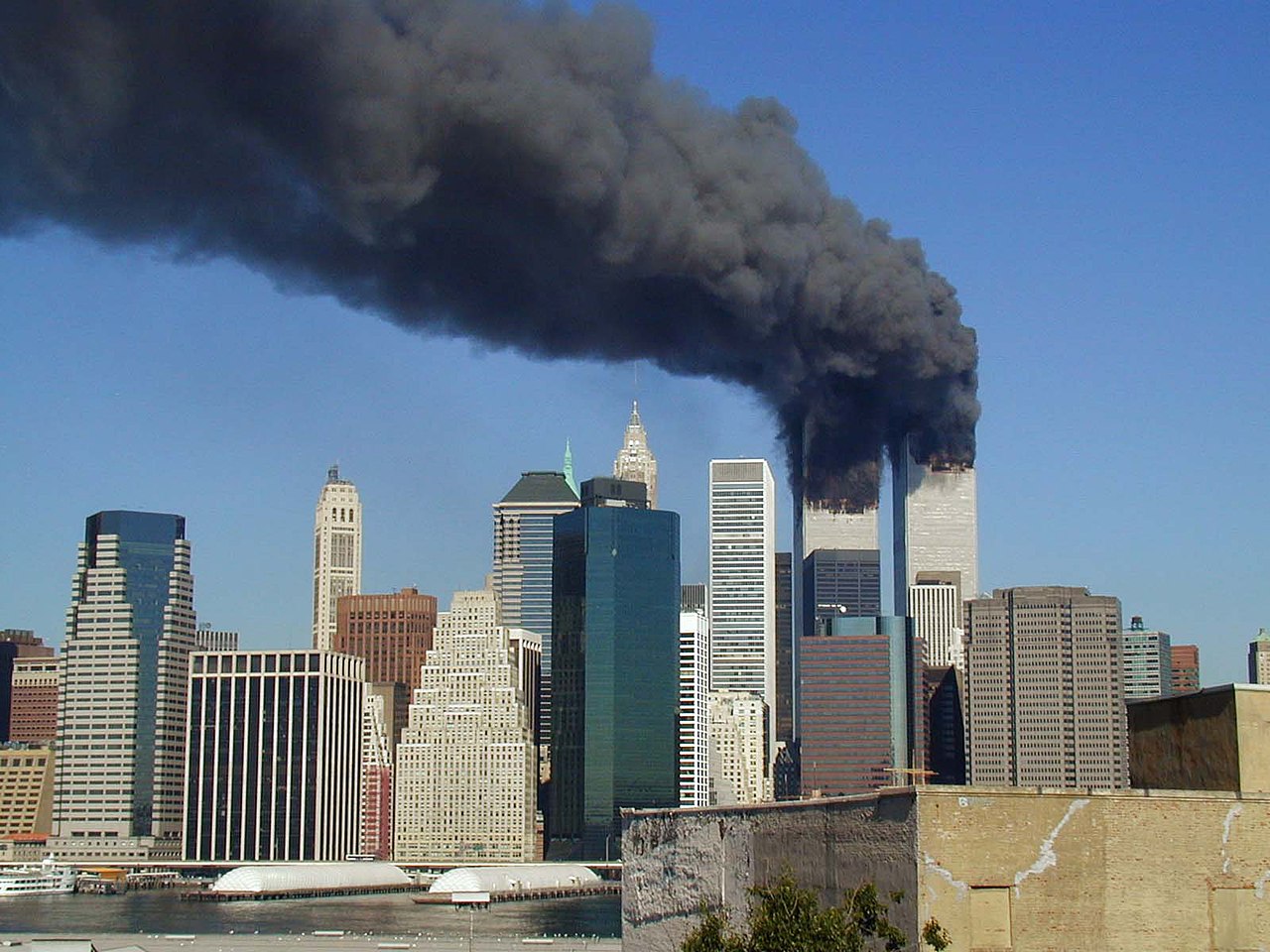
International terrorism has undergone significant transformations since the 1960s, with the rise of ideological groups like the Palestine Liberation Organization (PLO) and the Irish Republican Army (IRA). The 1990s saw the emergence of al-Qaeda, led by Osama bin Laden, which orchestrated the 9/11 attacks in 2001, resulting in a global war on terror. According to the Global Terrorism Database, there were over 14,000 terrorist attacks in 2019, with the Islamic State (ISIS) being responsible for the majority of them. The internet and social media have played a crucial role in the recruitment and radicalization of terrorists, with 70% of ISIS's recruitment efforts being online. The controversy surrounding the use of drone strikes and targeted killings has sparked debates about the ethics of counter-terrorism. As the threat landscape continues to evolve, with the rise of far-right extremism and lone-wolf attacks, the international community must adapt its strategies to combat terrorism, with a focus on intelligence sharing and community engagement, as seen in the success of the US-led coalition against ISIS, which has resulted in a 90% reduction in terrorist attacks in Iraq and Syria since 2017.
🌎 Introduction to International Terrorism
The concept of Terrorism has been around for centuries, with its meaning and implications evolving over time. At its core, Terrorism involves the use of violence against non-combatants to achieve political or ideological aims. However, the term is often used in different contexts, making it challenging to define. The United Nations has attempted to provide a universal definition, but it remains a topic of debate among scholars and policymakers. As we explore the evolution of international Terrorism, it's essential to understand the complexities surrounding this issue and its far-reaching consequences, including the impact on Global Security.
📚 Defining Terrorism: A Complex Task
Defining Terrorism is a complex task, as it encompasses various forms of violence and intimidation. The term is often associated with Islamic Extremism, but it's essential to recognize that Terrorism can be perpetrated by individuals or groups with diverse motivations, including Right-Wing Extremism and Left-Wing Extremism. The FBI defines Terrorism as 'the unlawful use of force or violence against persons or property to intimidate or coerce a government, the civilian population, or any segment thereof, in furtherance of political or social objectives.' However, this definition is not universally accepted, and the debate surrounding the term continues to be a topic of discussion among scholars and policymakers, including those focused on Counter-Terrorism.
🕊️ Historical Roots of Terrorism
The historical roots of Terrorism date back to ancient times, with groups like the Zealots and the Assassins using violence to achieve their goals. However, the modern concept of Terrorism emerged during the French Revolution, with the Reign of Terror marking a significant turning point in the use of violence as a means to achieve political objectives. The Irish Republican Army and the Palestine Liberation Organization are examples of groups that have used Terrorism as a tactic to further their causes, often with significant implications for Global Politics.
🌍 Globalization and the Rise of Modern Terrorism
The globalization of Terrorism has led to the rise of modern terrorist groups, which often have international connections and operate across borders. The Al-Qaeda network, founded by Osama bin Laden, is a prime example of a global terrorist organization that has carried out attacks in various countries, including the September 11 attacks in the United States. The Islamic State has also become a significant player in the global Terrorism landscape, with its brutal tactics and sophisticated online presence, which has raised concerns about Cybersecurity and Social Media.
🤝 State-Sponsored Terrorism: A Gray Area
State-sponsored Terrorism is a gray area, as it involves governments or government agencies supporting or sponsoring terrorist groups. The Iran-Hezbollah relationship is an example of state-sponsored Terrorism, with Iran providing financial and military support to the Hezbollah militant group. However, the lines between state-sponsored Terrorism and legitimate government actions can be blurry, making it challenging to determine the extent of state involvement in Terrorism, which is a key aspect of International Relations.
📊 The Economics of Terrorism
The economics of Terrorism play a significant role in the sustainability of terrorist groups. Terrorism financing often involves the use of illicit funds, such as those generated through Money Laundering or Narcotics Trade. The Hawala system, an informal network of money transfer agents, has been used by terrorist groups to move funds across borders, highlighting the need for effective Financial Regulation. Additionally, the Diamond Trade and other Conflict Minerals have been linked to Terrorism financing, which has significant implications for Global Economy.
🌈 The Evolution of Terrorist Tactics
Terrorist tactics have evolved over time, with groups adapting to changing circumstances and exploiting new technologies. The use of Social Media has become a key aspect of modern Terrorism, with groups like the Islamic State using platforms like Twitter and Facebook to disseminate propaganda and recruit new members. The Paris attacks and the Brussels attacks are examples of terrorist attacks that have been carried out using a combination of traditional and modern tactics, which has raised concerns about Homeland Security.
💻 Cyberterrorism: The New Frontier
The rise of Cyberterrorism has introduced a new frontier in the fight against Terrorism. Cyberterrorism involves the use of digital technologies to disrupt or destroy critical infrastructure, steal sensitive information, or intimidate individuals or organizations. The Stuxnet worm, which was used to attack Iran's nuclear program, is an example of a Cyberterrorism attack, which has significant implications for National Security. As the digital landscape continues to evolve, the threat of Cyberterrorism is likely to grow, making it essential to develop effective Cybersecurity measures.
👮 Counter-Terrorism Efforts: A Global Response
Counter-Terrorism efforts have become a global response to the threat of Terrorism. The United Nations has established the Counter-Terrorism Committee to coordinate international efforts to prevent and combat Terrorism. The FBI and other law enforcement agencies have also established specialized units to investigate and disrupt Terrorism plots, which is a key aspect of Law Enforcement. However, the balance between security and civil liberties remains a challenge, as governments seek to protect their citizens while also respecting their rights, which is a key aspect of Human Rights.
🕰️ The Future of International Terrorism
The future of international Terrorism is uncertain, but it's likely to involve the continued evolution of terrorist tactics and the exploitation of new technologies. The use of Artificial Intelligence and Drone Technology may become more prevalent in Terrorism attacks, making it essential for governments and law enforcement agencies to develop effective counter-measures. As the global landscape continues to shift, it's essential to stay vigilant and adapt to the changing nature of the Terrorism threat, which is a key aspect of Global Governance.
📊 Measuring the Impact of Terrorism
Measuring the impact of Terrorism is a complex task, as it involves assessing the human, economic, and social costs of Terrorism attacks. The Global Terrorism Index provides a comprehensive assessment of the impact of Terrorism worldwide, including the number of deaths, injuries, and economic losses. However, the impact of Terrorism goes beyond these metrics, as it can also have a profound effect on communities and societies, which is a key aspect of Social Impact.
🌐 International Cooperation: The Key to Combating Terrorism
International cooperation is key to combating Terrorism, as it requires a collective effort to share intelligence, coordinate efforts, and develop effective counter-Terrorism strategies. The United Nations and other international organizations have played a crucial role in promoting cooperation and coordination among governments, which is a key aspect of International Cooperation. However, the challenge of balancing national interests with international cooperation remains, as governments seek to protect their citizens while also working together to address the global Terrorism threat, which is a key aspect of Global Leadership.
Key Facts
- Year
- 2022
- Origin
- Middle East and North Africa
- Category
- Global Security
- Type
- Global Phenomenon
Frequently Asked Questions
What is the definition of terrorism?
The definition of Terrorism is complex and has been debated by scholars and policymakers. The United Nations has attempted to provide a universal definition, but it remains a topic of debate. The FBI defines Terrorism as 'the unlawful use of force or violence against persons or property to intimidate or coerce a government, the civilian population, or any segment thereof, in furtherance of political or social objectives.' However, this definition is not universally accepted, and the debate surrounding the term continues to be a topic of discussion.
What are the different types of terrorism?
There are several types of Terrorism, including Domestic Terrorism, International Terrorism, Cyberterrorism, and State-Sponsored Terrorism. Each type of Terrorism has its unique characteristics and challenges, and understanding these differences is essential for developing effective counter-Terrorism strategies.
How does terrorism financing work?
Terrorism financing often involves the use of illicit funds, such as those generated through Money Laundering or Narcotics Trade. The Hawala system, an informal network of money transfer agents, has been used by terrorist groups to move funds across borders. Additionally, the Diamond Trade and other Conflict Minerals have been linked to Terrorism financing.
What is the role of social media in terrorism?
Social Media has become a key aspect of modern Terrorism, with groups like the Islamic State using platforms like Twitter and Facebook to disseminate propaganda and recruit new members. Social Media has also been used to coordinate attacks and spread fear and intimidation.
How can we prevent terrorism?
Preventing Terrorism requires a multi-faceted approach that involves addressing the root causes of Terrorism, such as poverty, inequality, and social exclusion. It also requires improving intelligence gathering and sharing, enhancing law enforcement capabilities, and promoting international cooperation and coordination. Additionally, it's essential to address the online presence of terrorist groups and prevent the spread of their propaganda and ideology.
What is the impact of terrorism on global security?
The impact of Terrorism on Global Security is significant, as it can destabilize entire regions and pose a threat to international peace and security. Terrorism can also have a profound effect on communities and societies, causing fear, intimidation, and disruption to economic and social activities. Addressing the threat of Terrorism requires a collective effort from governments, international organizations, and civil society to develop effective counter-Terrorism strategies and promote international cooperation and coordination.
How does terrorism affect the global economy?
The impact of Terrorism on the Global Economy is significant, as it can disrupt trade, investment, and economic activities. Terrorism can also lead to increased military spending, which can divert resources away from other important priorities. Additionally, the economic costs of Terrorism can be substantial, including the cost of rebuilding infrastructure, providing humanitarian aid, and supporting affected communities.