
Contents
- 🎯 Introduction to Immune Function
- ⚙️ How the Immune System Works
- 📊 Key Facts and Statistics
- 👥 Key Players in Immune Function
- 🌎 Global Impact of Immune Function
- ⚡ Current Research and Developments
- 🤔 Controversies and Debates
- 🔮 Future Outlook and Predictions
- 💡 Practical Applications
- 📚 Related Topics and Deeper Reading
- Frequently Asked Questions
- References
- Related Topics
Overview
The immune function is a vital component of our overall health, comprising a network of biological systems that protect us from diseases caused by pathogens, such as viruses, bacteria, and parasites. With two major subsystems, the innate and adaptive immune systems, our bodies can detect and respond to a wide variety of threats, distinguishing them from healthy tissue. The immune function is essential for our survival, and its dysregulation can lead to various diseases, including autoimmune disorders and immunodeficiency. According to the World Health Organization (WHO), a healthy immune system is crucial for preventing and controlling infectious diseases, which account for approximately 16% of all deaths worldwide. The National Institutes of Health (NIH) estimates that the human immune system consists of approximately 2 billion immune cells, including T cells and B cells, which play a crucial role in our defense against infections. Understanding how the immune function works and how to maintain its optimal performance is vital for promoting public health and preventing diseases.
🎯 Introduction to Immune Function
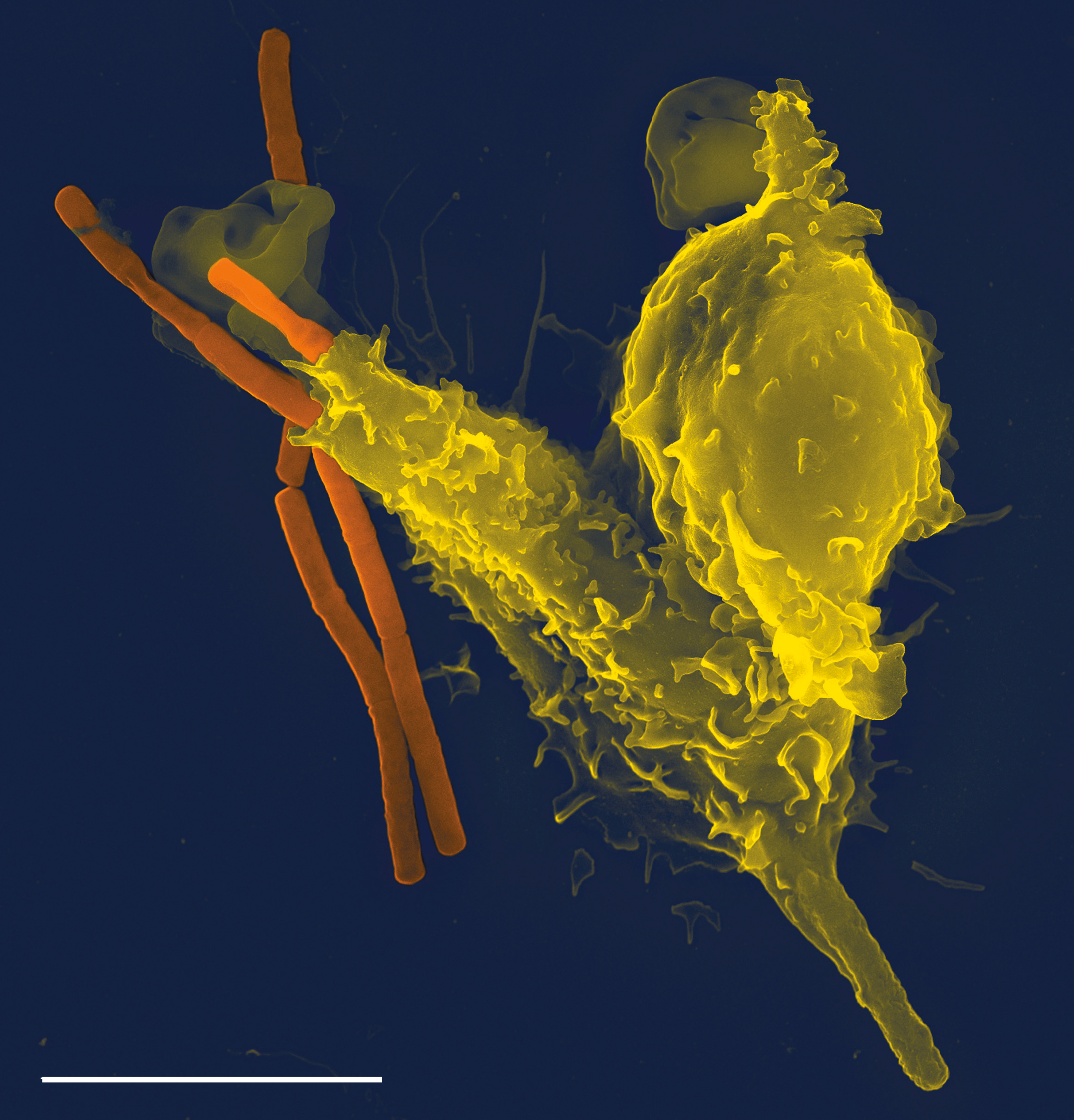
The immune function has a rich history, dating back to the early 20th century when Elie Metchnikoff discovered phagocytosis, a process by which cells engulf and destroy foreign particles. This discovery paved the way for our understanding of the immune system and its various components, including the innate and adaptive immune systems. The innate immune system, which includes physical barriers like the skin and mucous membranes, as well as cells like neutrophils and macrophages, provides an immediate response to infection. The adaptive immune system, which includes cells like T cells and B cells, provides a more targeted response, remembering specific pathogens and mounting a stronger response upon subsequent infections. For example, the Centers for Disease Control and Prevention (CDC) recommends vaccination as a key strategy for preventing infectious diseases, which relies on the adaptive immune system's ability to recognize and respond to specific pathogens.
⚙️ How the Immune System Works
The immune system works by using a variety of cells, tissues, and organs to defend the body against infection and disease. The process begins with the recognition of pathogens, which are then engulfed and destroyed by immune cells like neutrophils and macrophages. The adaptive immune system also plays a crucial role, with T cells and B cells working together to recognize and eliminate specific pathogens. Jonas Salk's development of the inactivated poliovirus vaccine is a prime example of how the immune system can be harnessed to prevent disease. The vaccine works by introducing a small, harmless piece of the virus to the body, which triggers an immune response and provides long-term protection against polio.
📊 Key Facts and Statistics
Key facts and statistics about immune function include the estimated 2 billion immune cells in the human body, which work together to defend against infection and disease. The immune system is also closely linked to other systems in the body, including the nervous and endocrine systems. For example, the National Institutes of Health (NIH) has found that stress can weaken the immune system, making us more susceptible to illness. Additionally, the immune system plays a crucial role in cancer prevention, with immune cells like natural killer cells and T cells working to recognize and eliminate cancer cells. According to the World Health Organization (WHO), cancer is a leading cause of death worldwide, accounting for approximately 9.6 million deaths in 2017.
👥 Key Players in Immune Function
Key players in immune function include immune cells like T cells and B cells, which work together to recognize and eliminate specific pathogens. Other key players include immune organs like the spleen and lymph nodes, which filter the blood and lymphatic fluid to remove pathogens and other foreign substances. Anthony Fauci, the director of the National Institute of Allergy and Infectious Diseases (NIAID), has been a leading voice in the field of immunology, highlighting the importance of immune function in preventing and treating infectious diseases.
🌎 Global Impact of Immune Function
The global impact of immune function is significant, with immune-related diseases affecting millions of people worldwide. According to the Centers for Disease Control and Prevention (CDC), infectious diseases like HIV, tuberculosis, and malaria are major public health concerns, particularly in low- and middle-income countries. The immune system also plays a crucial role in cancer prevention, with immune cells like natural killer cells and T cells working to recognize and eliminate cancer cells. The World Health Organization (WHO) estimates that approximately 30% of all cancers are caused by infectious agents, highlighting the importance of immune function in cancer prevention.
⚡ Current Research and Developments
Current research and developments in immune function are focused on understanding the complex interactions between the immune system and other systems in the body. Researchers are also working to develop new treatments and therapies that target the immune system, such as immunotherapy for cancer. James Allison and Tasuku Honjo were awarded the Nobel Prize in Physiology or Medicine in 2018 for their discovery of cancer therapy by inhibition of negative immune regulation, which has led to the development of new immunotherapies for cancer.
🤔 Controversies and Debates
Controversies and debates in immune function include the role of the immune system in chronic diseases like arthritis and diabetes. Some researchers believe that the immune system plays a key role in the development of these diseases, while others argue that the immune system is not involved. The National Institutes of Health (NIH) has funded research to investigate the relationship between the immune system and chronic diseases, with the goal of developing new treatments and therapies.
🔮 Future Outlook and Predictions
The future outlook and predictions for immune function are promising, with researchers working to develop new treatments and therapies that target the immune system. The use of immunotherapy for cancer is a prime example of how the immune system can be harnessed to prevent and treat disease. CRISPR Therapeutics is a company that is working to develop new treatments using CRISPR gene editing technology, which has the potential to revolutionize the field of immunology.
💡 Practical Applications
Practical applications of immune function include vaccination, which is a key strategy for preventing infectious diseases. The immune system also plays a crucial role in cancer prevention, with immune cells like natural killer cells and T cells working to recognize and eliminate cancer cells. Moderna Therapeutics is a company that is working to develop new vaccines and therapies using mRNA technology, which has the potential to revolutionize the field of immunology.
Key Facts
- Year
- 2022
- Origin
- Global
- Category
- public-health
- Type
- concept
Frequently Asked Questions
What is the immune system?
The immune system is a complex network of biological systems that protects the body against disease and infection. It has two major subsystems: the innate and adaptive immune systems. The innate immune system provides a preconfigured response to broad groups of situations and stimuli, while the adaptive immune system provides a tailored response to each stimulus by learning to recognize molecules it has previously encountered.
How does the immune system work?
The immune system works by using a variety of cells, tissues, and organs to defend the body against infection and disease. The process begins with the recognition of pathogens, which are then engulfed and destroyed by immune cells like neutrophils and macrophages. The adaptive immune system also plays a crucial role, with T cells and B cells working together to recognize and eliminate specific pathogens.
What is the role of the immune system in cancer prevention and treatment?
The immune system plays a crucial role in cancer prevention and treatment. Immune cells like natural killer cells and T cells work to recognize and eliminate cancer cells. Immunotherapy, which harnesses the power of the immune system to fight cancer, is a promising area of research and treatment.
What are some common immune-related diseases?
Some common immune-related diseases include infectious diseases like HIV, tuberculosis, and malaria, as well as autoimmune disorders like rheumatoid arthritis and lupus. Cancer is also a major public health concern, with the immune system playing a crucial role in its prevention and treatment.
How can I boost my immune system?
There are several ways to boost your immune system, including getting enough sleep, exercising regularly, eating a healthy diet, and managing stress. Vaccination is also a key strategy for preventing infectious diseases, and immunotherapy is a promising area of research and treatment for cancer and other diseases.
What is the current state of research in immune function?
The current state of research in immune function is promising, with researchers working to develop new treatments and therapies that target the immune system. The use of immunotherapy for cancer is a prime example of how the immune system can be harnessed to prevent and treat disease. CRISPR gene editing technology is also being explored for its potential to revolutionize the field of immunology.
What are some potential future developments in immune function?
Some potential future developments in immune function include the use of immunotherapy for a wider range of diseases, the development of new vaccines and therapies using mRNA technology, and the exploration of CRISPR gene editing technology for its potential to revolutionize the field of immunology.