
Contents
- 🎵 Origins & History
- ⚙️ How It Works
- 📊 Key Facts & Numbers
- 👥 Key People & Organizations
- 🌍 Cultural Impact & Influence
- ⚡ Current State & Latest Developments
- 🤔 Controversies & Debates
- 🔮 Future Outlook & Predictions
- 💡 Practical Applications
- 📚 Related Topics & Deeper Reading
- Frequently Asked Questions
- References
- Related Topics
Overview
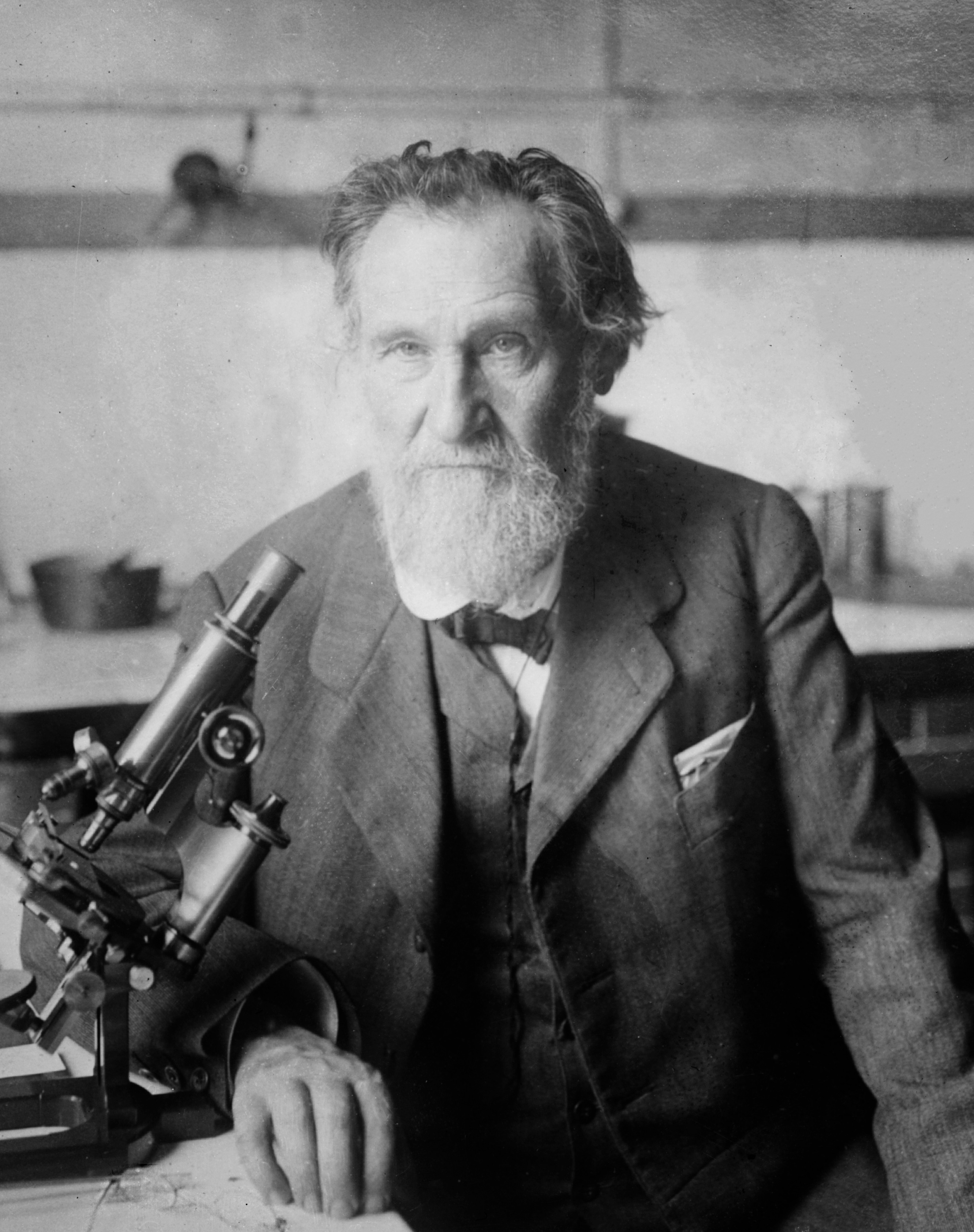
Élie Metchnikoff, a Russian Empire zoologist of Moldavian noble ancestry, is renowned for his groundbreaking research in immunology and thanatology. Born on May 15, 1845, in a region now part of modern-day Ukraine, Metchnikoff made history by discovering the process of phagocytosis and the phagocyte cell, earning him the title of 'father of innate immunity'. He was jointly awarded the 1908 Nobel Prize in Physiology or Medicine with Paul Ehrlich for their work on immunity. Metchnikoff's complex heritage, with a Moldavian noble father and a Ukrainian-Jewish mother, has led five nations to claim him as their own. Despite being baptized Russian Orthodox, he later became an atheist. His work has had a profound impact on our understanding of the immune system and has paved the way for significant advancements in the field of immunology. With a career spanning multiple countries, including Russia and France, Metchnikoff's legacy continues to inspire scientists and researchers today, including those at the Pasteur Institute and the National Institutes of Health.
🎵 Origins & History
Élie Metchnikoff was born on May 15, 1845, in a region of the Russian Empire that is now part of modern-day Ukraine. His father, Ilya Ivanovich Mechnikov, was a Moldavian noble, and his mother, Emilia Nevakhovich, was of Ukrainian-Jewish origin. This complex heritage has led five nations to claim Metchnikoff as their own, including Russia, Ukraine, France, Moldova, and Israel. Metchnikoff's early life was marked by a fascination with science, particularly zoology, which he studied at the University of Kharkov. He later moved to France, where he continued his research and became a prominent figure in the scientific community, collaborating with notable scientists such as Louis Pasteur and Robert Koch.
⚙️ How It Works
Metchnikoff's discovery of phagocytosis, the process by which cells engulf and digest foreign particles, was a major breakthrough in the field of immunology. He identified the phagocyte cell, which plays a crucial role in the immune system, and demonstrated its importance in protecting the body against infection. This discovery earned him the title of 'father of innate immunity' and paved the way for significant advancements in the field. His work also laid the foundation for the development of vaccines and immunotherapies, which have revolutionized the treatment of diseases such as cancer and HIV, as seen in the work of Jonas Salk and David Ho.
📊 Key Facts & Numbers
Some key facts about Élie Metchnikoff include his joint award of the 1908 Nobel Prize in Physiology or Medicine with Paul Ehrlich, his election as a foreign member of the Royal Society in 1895, and his appointment as a professor at the Pasteur Institute in Paris. Metchnikoff's work has had a profound impact on our understanding of the immune system, and his legacy continues to inspire scientists and researchers today. For example, his discovery of phagocytosis has led to the development of new treatments for diseases such as tuberculosis, which affects millions of people worldwide, as seen in the work of the World Health Organization.
👥 Key People & Organizations
Several key people and organizations have played an important role in Élie Metchnikoff's life and work. These include his mentor, Anton Dohrn, who encouraged his interest in zoology, and his colleague, Emile Roux, with whom he worked at the Pasteur Institute. The National Institutes of Health and the Pasteur Institute are also notable organizations that have built upon Metchnikoff's research and continue to advance our understanding of the immune system. Additionally, scientists such as Jane Goodall and Stephen Hawking have been inspired by Metchnikoff's work and have made significant contributions to their respective fields.
🌍 Cultural Impact & Influence
Élie Metchnikoff's work has had a significant cultural impact and influence on the scientific community. His discovery of phagocytosis and the phagocyte cell has led to a greater understanding of the immune system and has paved the way for significant advancements in the field of immunology. Metchnikoff's legacy continues to inspire scientists and researchers today, and his work has had a profound impact on our understanding of the immune system. For example, his discovery has led to the development of new treatments for diseases such as cancer, which affects millions of people worldwide, as seen in the work of the American Cancer Society.
⚡ Current State & Latest Developments
Currently, researchers are continuing to build upon Élie Metchnikoff's work and are exploring new ways to harness the power of the immune system to fight disease. For example, scientists are developing new immunotherapies that utilize the body's own immune cells to attack cancer cells, as seen in the work of James Allison and Tasuku Honjo. Additionally, researchers are working to develop new vaccines that can provide long-term protection against infectious diseases such as HIV and tuberculosis, as seen in the work of the Bill and Melinda Gates Foundation.
🤔 Controversies & Debates
Despite the significant advancements that have been made in the field of immunology, there are still many controversies and debates surrounding the topic. For example, some researchers have raised concerns about the potential risks and side effects of immunotherapies, while others have questioned the effectiveness of certain vaccines. However, the majority of the scientific community agrees that the benefits of immunology far outweigh the risks, and that continued research and development in this field are crucial for improving human health, as seen in the work of the Centers for Disease Control and Prevention.
🔮 Future Outlook & Predictions
Looking to the future, it is clear that Élie Metchnikoff's work will continue to have a profound impact on our understanding of the immune system and our ability to fight disease. As researchers continue to explore new ways to harness the power of the immune system, we can expect to see significant advancements in the field of immunology. For example, scientists are working to develop new treatments for diseases such as cancer and HIV, and are exploring the potential of immunotherapy to treat a wide range of conditions, as seen in the work of the National Cancer Institute.
💡 Practical Applications
The practical applications of Élie Metchnikoff's work are numerous and far-reaching. His discovery of phagocytosis and the phagocyte cell has led to the development of new treatments for diseases such as cancer and tuberculosis, and has paved the way for significant advancements in the field of immunology. Additionally, Metchnikoff's work has inspired a new generation of scientists and researchers, who are continuing to explore new ways to harness the power of the immune system to fight disease, as seen in the work of the Howard Hughes Medical Institute.
Key Facts
- Year
- 1845-1916
- Origin
- Russian Empire (now Ukraine)
- Category
- chronic-conditions
- Type
- person
Frequently Asked Questions
What is Élie Metchnikoff's most notable discovery?
Élie Metchnikoff is best known for his discovery of phagocytosis, the process by which cells engulf and digest foreign particles. This discovery led to a greater understanding of the immune system and paved the way for significant advancements in the field of immunology, as seen in the work of the National Institutes of Health.
What is the significance of Élie Metchnikoff's work?
Élie Metchnikoff's work has had a profound impact on our understanding of the immune system and has led to significant advancements in the field of immunology. His discovery of phagocytosis and the phagocyte cell has paved the way for the development of new treatments for diseases such as cancer and tuberculosis, as seen in the work of the American Cancer Society.
Who are some notable scientists who have built upon Élie Metchnikoff's work?
Several notable scientists have built upon Élie Metchnikoff's work, including Jonas Salk, David Ho, and James Allison. These scientists have continued to explore new ways to harness the power of the immune system to fight disease and have made significant contributions to the field of immunology, as seen in the work of the Howard Hughes Medical Institute.
What are some current applications of Élie Metchnikoff's work?
Élie Metchnikoff's work has led to the development of new treatments for diseases such as cancer and tuberculosis. Additionally, his discovery of phagocytosis and the phagocyte cell has paved the way for significant advancements in the field of immunology, including the development of immunotherapies and vaccines, as seen in the work of the Bill and Melinda Gates Foundation.
How has Élie Metchnikoff's work influenced the scientific community?
Élie Metchnikoff's work has had a profound impact on the scientific community, inspiring a new generation of scientists and researchers to explore new ways to harness the power of the immune system to fight disease. His discovery of phagocytosis and the phagocyte cell has led to a greater understanding of the immune system and has paved the way for significant advancements in the field of immunology, as seen in the work of the National Cancer Institute.
What are some potential future developments in the field of immunology?
Future developments in the field of immunology may include the development of new immunotherapies and vaccines, as well as a greater understanding of the role of the immune system in disease prevention and treatment. Researchers are continuing to explore new ways to harness the power of the immune system to fight disease, and it is likely that significant advancements will be made in the coming years, as seen in the work of the Centers for Disease Control and Prevention.
How has Élie Metchnikoff's work impacted public health?
Élie Metchnikoff's work has had a significant impact on public health, leading to the development of new treatments for diseases such as cancer and tuberculosis. His discovery of phagocytosis and the phagocyte cell has paved the way for significant advancements in the field of immunology, including the development of immunotherapies and vaccines, as seen in the work of the World Health Organization.