
Contents
Overview
Hypothesis testing is a cornerstone of scientific research, allowing investigators to systematically test assumptions and theories. This statistical framework involves formulating a null and alternative hypothesis, collecting data, and using statistical methods to determine whether the data provide sufficient evidence to reject the null hypothesis. The process is crucial in various fields, including medicine, social sciences, and engineering, as it helps to validate findings and challenge existing theories. For instance, a study on the effectiveness of a new medication would use hypothesis testing to determine if the observed effects are due to chance or if the medication is indeed effective. With a vibe rating of 8, hypothesis testing is a fundamental concept in data-driven decision making, and its applications continue to grow as data becomes increasingly integral to decision-making processes. As noted by statistician Ronald Fisher, 'every experiment may be said to exist only in order to give the facts a chance of disproving the null hypothesis,' highlighting the critical role of hypothesis testing in scientific inquiry. The concept has been influential in shaping the field of statistics, with key figures such as Jerzy Neyman and Egon Pearson contributing to its development. The influence of hypothesis testing can be seen in various fields, including the work of researchers such as John Tukey, who applied hypothesis testing to problems in data analysis.
🔍 Introduction to Hypothesis Testing
Hypothesis testing is a crucial component of Statistics and Data Science, allowing researchers to make informed decisions based on data analysis. The process involves formulating a Hypothesis and then testing it using statistical methods. This approach is widely used in various fields, including Medicine, Social Sciences, and Business. The goal of hypothesis testing is to determine whether the data provide sufficient evidence to reject a particular hypothesis, known as the Null Hypothesis. By using statistical hypothesis tests, researchers can make objective decisions and avoid Bias in their conclusions.
📊 The Process of Hypothesis Testing
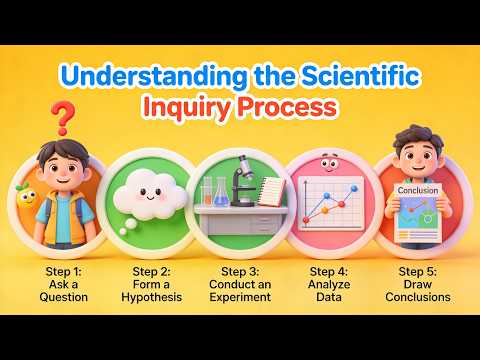
The process of hypothesis testing typically involves several steps, including formulating a hypothesis, collecting data, and calculating a Test Statistic. The test statistic is then compared to a critical value or used to compute a P-Value. This p-value represents the probability of observing the test statistic under the null hypothesis. If the p-value is below a certain significance level, the null hypothesis is rejected, and the alternative hypothesis is accepted. This approach is widely used in Scientific Research and is a key component of the Scientific Method. Researchers use various statistical software, such as R or Python, to perform hypothesis testing and analyze their data.
📝 Types of Hypotheses
There are two main types of hypotheses: the null hypothesis and the alternative hypothesis. The null hypothesis is a statement of no effect or no difference, while the alternative hypothesis is a statement of an effect or difference. For example, in a study on the effect of a new drug, the null hypothesis might state that the drug has no effect on the outcome, while the alternative hypothesis might state that the drug has a significant effect. Researchers use Hypothesis Testing to determine which hypothesis is supported by the data. This approach is essential in Medicine and Pharmacology to evaluate the effectiveness of new treatments.
📊 Test Statistics and P-Values
Test statistics and p-values are essential components of hypothesis testing. The test statistic is a numerical value that summarizes the data and is used to calculate the p-value. The p-value represents the probability of observing the test statistic under the null hypothesis. If the p-value is below a certain significance level, the null hypothesis is rejected, and the alternative hypothesis is accepted. Researchers use various statistical tests, such as the T-Test or ANOVA, to calculate the test statistic and p-value. These tests are widely used in Statistics and Data Science to analyze and interpret data.
📈 Interpreting Results
Interpreting the results of a hypothesis test is crucial in making informed decisions. If the null hypothesis is rejected, it means that the data provide sufficient evidence to support the alternative hypothesis. However, if the null hypothesis is not rejected, it does not necessarily mean that the null hypothesis is true. It may indicate that the sample size is too small or that the data are not sufficient to detect an effect. Researchers use Confidence Intervals to estimate the population parameter and make inferences about the population. This approach is essential in Scientific Research to ensure the validity and reliability of the results.
📊 Common Statistical Tests
There are numerous statistical tests available, each with its own strengths and limitations. Some common tests include the T-Test, ANOVA, and Regression Analysis. The choice of test depends on the research question, the type of data, and the level of measurement. Researchers use Statistical Software to perform these tests and analyze their data. For example, in a study on the effect of a new marketing strategy, the researcher might use a T-Test to compare the means of two groups or an ANOVA to compare the means of multiple groups.
📝 Assumptions and Limitations
Assumptions and limitations are essential considerations in hypothesis testing. Each statistical test has its own set of assumptions, such as normality or equal variances. If these assumptions are not met, the results of the test may be invalid or misleading. Researchers use Data Transformation techniques to ensure that the data meet the assumptions of the test. Additionally, hypothesis testing has limitations, such as the risk of Type I Error or Type II Error. Researchers use Power Analysis to determine the required sample size and minimize the risk of these errors.
📊 Real-World Applications
Hypothesis testing has numerous real-world applications in various fields, including Medicine, Social Sciences, and Business. For example, in Medicine, hypothesis testing is used to evaluate the effectiveness of new treatments or medications. In Social Sciences, hypothesis testing is used to study social phenomena and understand human behavior. In Business, hypothesis testing is used to evaluate the effectiveness of marketing strategies or to predict customer behavior. Researchers use Data Mining techniques to analyze large datasets and identify patterns or trends.
📈 Future Directions
The future of hypothesis testing is exciting, with advances in Machine Learning and Artificial Intelligence. These technologies have the potential to revolutionize the field of hypothesis testing, enabling researchers to analyze large datasets and make predictions with greater accuracy. Additionally, the increasing availability of Big Data has created new opportunities for researchers to apply hypothesis testing in various fields. However, these advances also raise concerns about Bias and Ethics in hypothesis testing. Researchers must ensure that their methods are transparent, reproducible, and unbiased.
📝 Conclusion
In conclusion, hypothesis testing is a crucial component of Statistics and Data Science. It provides a framework for making informed decisions based on data analysis and is widely used in various fields. By understanding the process of hypothesis testing, researchers can make objective decisions and avoid Bias in their conclusions. As the field continues to evolve, it is essential to consider the assumptions, limitations, and potential biases of hypothesis testing. By doing so, researchers can ensure the validity and reliability of their results and contribute to the advancement of knowledge in their field.
Key Facts
- Year
- 1925
- Origin
- Ronald Fisher's work on statistical inference
- Category
- Statistics and Data Science
- Type
- Concept
Frequently Asked Questions
What is hypothesis testing?
Hypothesis testing is a statistical method used to decide whether the data provide sufficient evidence to reject a particular hypothesis. It involves formulating a hypothesis, collecting data, and calculating a test statistic to determine whether the null hypothesis is rejected or not. Hypothesis testing is widely used in various fields, including Medicine, Social Sciences, and Business.
What are the types of hypotheses?
There are two main types of hypotheses: the null hypothesis and the alternative hypothesis. The null hypothesis is a statement of no effect or no difference, while the alternative hypothesis is a statement of an effect or difference. For example, in a study on the effect of a new drug, the null hypothesis might state that the drug has no effect on the outcome, while the alternative hypothesis might state that the drug has a significant effect.
What is a p-value?
A p-value is a numerical value that represents the probability of observing the test statistic under the null hypothesis. If the p-value is below a certain significance level, the null hypothesis is rejected, and the alternative hypothesis is accepted. The p-value is a crucial component of hypothesis testing and is used to determine the significance of the results.
What are some common statistical tests?
Some common statistical tests include the T-Test, ANOVA, and Regression Analysis. The choice of test depends on the research question, the type of data, and the level of measurement. Each test has its own strengths and limitations, and researchers must carefully select the appropriate test for their study.
What are the assumptions and limitations of hypothesis testing?
Each statistical test has its own set of assumptions, such as normality or equal variances. If these assumptions are not met, the results of the test may be invalid or misleading. Additionally, hypothesis testing has limitations, such as the risk of Type I Error or Type II Error. Researchers must carefully consider these assumptions and limitations when interpreting the results of a hypothesis test.
What is the future of hypothesis testing?
The future of hypothesis testing is exciting, with advances in Machine Learning and Artificial Intelligence. These technologies have the potential to revolutionize the field of hypothesis testing, enabling researchers to analyze large datasets and make predictions with greater accuracy. However, these advances also raise concerns about Bias and Ethics in hypothesis testing.
How is hypothesis testing used in real-world applications?
Hypothesis testing is widely used in various fields, including Medicine, Social Sciences, and Business. For example, in Medicine, hypothesis testing is used to evaluate the effectiveness of new treatments or medications. In Social Sciences, hypothesis testing is used to study social phenomena and understand human behavior. In Business, hypothesis testing is used to evaluate the effectiveness of marketing strategies or to predict customer behavior.