
Contents
- 🎯 Introduction to Hubel and Wiesel
- 🔬 Their Research and Discoveries
- 📚 Key Findings and Publications
- 👥 Collaborations and Awards
- 🌐 Impact on Neuroscience
- 🔮 Current State of Visual System Research
- 🤔 Controversies and Debates
- 🔜 Future Directions
- 📊 Practical Applications
- 📚 Related Topics and Deeper Reading
- Frequently Asked Questions
- References
- Related Topics
Overview
David H. Hubel and Torsten Wiesel were a duo of neurophysiologists who made groundbreaking discoveries concerning information processing in the visual system, earning them the 1981 Nobel Prize in Physiology or Medicine. Their work, which spanned several decades, significantly advanced our understanding of the structure and function of the visual cortex. Hubel, an American-Canadian neurophysiologist, and Wiesel, a Swedish neurophysiologist, collaborated on numerous projects, including their seminal work on the organization of the visual cortex. Their findings have had a profound impact on the field of neuroscience, shedding light on the intricate processes that underlie human vision. With their research, they paved the way for future studies on the visual system, inspiring new generations of scientists. The duo's work was recognized with numerous awards, including the Louisa Gross Horwitz Prize from Columbia University in 1978 and the Golden Plate Award of the American Academy of Achievement in 1983. Their legacy continues to influence the field of neuroscience, with their discoveries remaining a cornerstone of our understanding of the visual system.
🎯 Introduction to Hubel and Wiesel
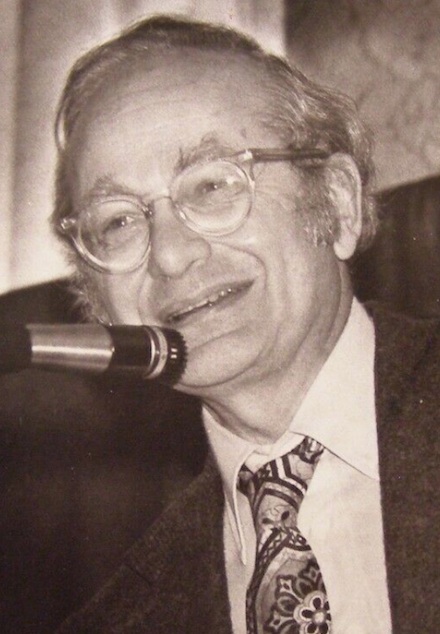
Hubel and Wiesel's journey in neuroscience began with their individual pursuits in the field. David H. Hubel, born on February 27, 1926, was an American-Canadian neurophysiologist who made significant contributions to our understanding of the visual system. He worked as the Professor of Neurobiology at Johns Hopkins University and Harvard Medical School. On the other hand, Torsten Wiesel, a Swedish neurophysiologist, brought his expertise to the table, and together they formed a formidable team. Their collaboration led to the discovery of the organization of the visual cortex, which was a major breakthrough in the field of neuroscience.
🔬 Their Research and Discoveries
Their research focused on the structure and function of the visual cortex, and they employed innovative techniques to study the visual system. By using electroencephalography (EEG) and other methods, they were able to map the visual cortex and understand how it processes visual information. Their findings, published in numerous papers, including their seminal work on the organization of the visual cortex, have had a lasting impact on the field of neuroscience. The duo's work was recognized with the 1981 Nobel Prize in Physiology or Medicine, which they shared with Roger W. Sperry.
📚 Key Findings and Publications
Some of their key findings include the discovery of the columnar organization of the visual cortex, where neurons responding to similar visual stimuli are grouped together. They also found that the visual cortex is organized in a hierarchical manner, with early stages processing basic visual information and later stages processing more complex information. These findings have been instrumental in our understanding of the visual system and have paved the way for further research in the field. Their work has been built upon by other researchers, including Sebastian Seung and Jeffrey Hawkins.
👥 Collaborations and Awards
Hubel and Wiesel's collaborations and awards are a testament to their contributions to the field of neuroscience. In 1978, they were awarded the Louisa Gross Horwitz Prize from Columbia University. In 1983, Hubel received the Golden Plate Award of the American Academy of Achievement. These awards recognize their outstanding contributions to our understanding of the visual system and their impact on the field of neuroscience.
🌐 Impact on Neuroscience
The impact of Hubel and Wiesel's work on neuroscience cannot be overstated. Their discoveries have shed light on the intricate processes that underlie human vision, and their findings have been applied in various fields, including ophthalmology and neurology. Their work has also inspired new generations of scientists, including Andrew Huberman and David Eagleman. The duo's legacy continues to influence the field of neuroscience, with their discoveries remaining a cornerstone of our understanding of the visual system.
🔮 Current State of Visual System Research
Current research on the visual system is building upon the foundation laid by Hubel and Wiesel. Scientists are continuing to study the visual cortex and its role in processing visual information. New techniques, such as functional magnetic resonance imaging (fMRI), are being used to study the visual system in greater detail. The work of Hubel and Wiesel has paved the way for these advancements, and their discoveries continue to inspire new research in the field.
🤔 Controversies and Debates
Despite the significant contributions of Hubel and Wiesel, there are still controversies and debates in the field of neuroscience. Some researchers have questioned the accuracy of their findings, and others have proposed alternative theories. However, the majority of the scientific community recognizes the significance of their work and the impact it has had on our understanding of the visual system. The debates and controversies surrounding their work have led to a deeper understanding of the visual system and have driven further research in the field.
🔜 Future Directions
Future directions in visual system research are likely to involve the continued use of innovative techniques, such as optogenetics and brain-computer interfaces. These techniques will allow scientists to study the visual system in greater detail and to develop new treatments for visual disorders. The work of Hubel and Wiesel has laid the foundation for these advancements, and their discoveries will continue to inspire new research in the field.
📊 Practical Applications
The practical applications of Hubel and Wiesel's work are numerous. Their discoveries have led to a greater understanding of the visual system and have paved the way for the development of new treatments for visual disorders. For example, their work on the organization of the visual cortex has led to the development of new therapies for amblyopia and other visual disorders. Their findings have also been applied in the field of artificial intelligence, where they have been used to develop more sophisticated visual processing algorithms.
Key Facts
- Year
- 1981
- Origin
- United States
- Category
- mental-health
- Type
- person
Frequently Asked Questions
What was the significance of Hubel and Wiesel's work?
Their work significantly advanced our understanding of the structure and function of the visual cortex, and their discoveries have had a lasting impact on the field of neuroscience. They found that the visual cortex is organized in a hierarchical manner, with early stages processing basic visual information and later stages processing more complex information. This has led to a greater understanding of the neural basis of behavior and has paved the way for the development of new treatments for visual disorders.
What awards did Hubel and Wiesel receive for their work?
They were awarded the Nobel Prize in Physiology or Medicine in 1981, which they shared with Roger W. Sperry. They also received the Louisa Gross Horwitz Prize from Columbia University in 1978, and Hubel received the Golden Plate Award of the American Academy of Achievement in 1983.
What is the current state of research on the visual system?
Current research on the visual system is building upon the foundation laid by Hubel and Wiesel. Scientists are continuing to study the visual cortex and its role in processing visual information, using new techniques such as functional magnetic resonance imaging (fMRI) and optogenetics. The work of Hubel and Wiesel has paved the way for these advancements, and their discoveries continue to inspire new research in the field.
What are the practical applications of Hubel and Wiesel's work?
Their discoveries have led to a greater understanding of the visual system and have paved the way for the development of new treatments for visual disorders. For example, their work on the organization of the visual cortex has led to the development of new therapies for amblyopia and other visual disorders. Their findings have also been applied in the field of artificial intelligence, where they have been used to develop more sophisticated visual processing algorithms.
What is the legacy of Hubel and Wiesel's work?
Their legacy is one of significant contributions to the field of neuroscience. Their discoveries have had a lasting impact on our understanding of the visual system, and their work has paved the way for future research in the field. They have inspired new generations of scientists, and their findings continue to be built upon by researchers today.
How has Hubel and Wiesel's work influenced other fields?
Their work has had a significant impact on the field of artificial intelligence, where their findings have been used to develop more sophisticated visual processing algorithms. Their discoveries have also been applied in the field of ophthalmology, where they have led to the development of new treatments for visual disorders.
What are the future directions for research on the visual system?
Future directions in visual system research are likely to involve the continued use of innovative techniques, such as optogenetics and brain-computer interfaces. These techniques will allow scientists to study the visual system in greater detail and to develop new treatments for visual disorders. The work of Hubel and Wiesel has laid the foundation for these advancements, and their discoveries will continue to inspire new research in the field.