
Contents
- 🧬 Introduction to Gut and Psychology Syndrome
- 🤯 The Gut-Brain Connection: Unraveling the Mystery
- 🌟 The Role of the Microbiome in GAPS
- 📊 The Science Behind GAPS: Research and Studies
- 👥 The Impact of GAPS on Mental Health
- 🌎 The Connection Between GAPS and Autoimmune Diseases
- 🍴 Dietary Interventions for GAPS: The GAPS Diet
- 💊 Treatment Options for GAPS: Beyond Diet
- 👨⚕️ The Future of GAPS Research and Treatment
- 📚 Conclusion: Unraveling the Gut-Brain Connection
- Frequently Asked Questions
- Related Topics
Overview
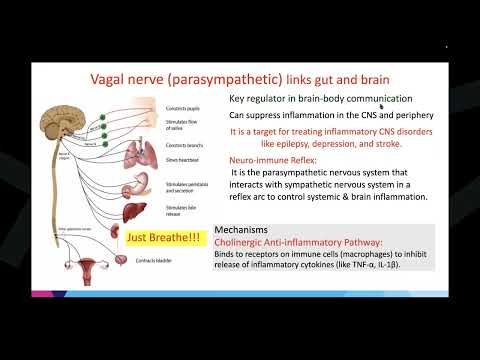
Gut and Psychology Syndrome (GAPS) refers to the complex interplay between the gut microbiome and psychological health. Research has shown that an imbalance of gut bacteria, also known as dysbiosis, can contribute to various mental health conditions, including anxiety, depression, and autism. The gut-brain axis is a bidirectional communication network between the central nervous system and the enteric nervous system, with the vagus nerve playing a crucial role in transmitting signals between the two. Studies have demonstrated that dietary interventions, such as the GAPS diet, can have a positive impact on mental health by promoting a balanced gut microbiome. For instance, a study published in the Journal of Clinical Psychology found that patients with irritable bowel syndrome (IBS) who followed the GAPS diet experienced significant improvements in their symptoms. Furthermore, the work of Dr. Natasha Campbell-McBride, a leading researcher in the field, has highlighted the importance of considering gut health in the treatment of mental health disorders. With a growing body of evidence supporting the gut-brain connection, it is essential to continue exploring the relationship between gut health and mental well-being, and to develop effective interventions that address the complex interplay between the two.
🧬 Introduction to Gut and Psychology Syndrome
The concept of Gut and Psychology Syndrome (GAPS) was first introduced by Dr. Natasha Campbell-McBride, a neurologist and nutritionist, in her book Gut and Psychology Syndrome. GAPS refers to the intricate relationship between the gut microbiome and the brain, and how an imbalance in the gut can lead to various psychological and neurological disorders. According to Dr. Campbell-McBride, the gut and brain are connected through the vagus nerve, which allows for bidirectional communication between the two. This connection is crucial for maintaining a healthy balance between the gut and the brain. The gut-brain axis is a complex system that involves the exchange of signals between the gut microbiome and the central nervous system.
🤯 The Gut-Brain Connection: Unraveling the Mystery
The gut-brain connection is a complex and multifaceted phenomenon that has been studied extensively in recent years. Research has shown that the gut microbiome plays a crucial role in shaping the brain and its functions, and that an imbalance in the gut can lead to various neurological and psychiatric disorders. The microbiome is composed of trillions of microorganisms that live in the gut and other parts of the body, and it plays a crucial role in maintaining a healthy balance between the gut and the brain. The gut microbiome is also connected to the immune system, which is responsible for protecting the body against pathogens and other foreign substances.
🌟 The Role of the Microbiome in GAPS
The role of the microbiome in GAPS is crucial, as it plays a key role in maintaining a healthy balance between the gut and the brain. The microbiome is composed of various species of bacteria, viruses, and other microorganisms that live in the gut and other parts of the body. An imbalance in the microbiome, also known as dysbiosis, can lead to various disorders, including irritable bowel syndrome (IBS), inflammatory bowel disease (IBD), and other gastrointestinal disorders. The microbiome and mental health are also closely linked, as an imbalance in the microbiome can lead to various mental health disorders, including anxiety and depression.
📊 The Science Behind GAPS: Research and Studies
The science behind GAPS is based on extensive research and studies that have been conducted in recent years. Studies have shown that the gut microbiome plays a crucial role in shaping the brain and its functions, and that an imbalance in the gut can lead to various neurological and psychiatric disorders. The gut-brain axis and mental health are closely linked, as an imbalance in the gut can lead to various mental health disorders. Research has also shown that dietary interventions, such as the GAPS diet, can be effective in treating GAPS and other related disorders. The GAPS diet and mental health are closely linked, as the diet is designed to promote a healthy balance between the gut and the brain.
👥 The Impact of GAPS on Mental Health
The impact of GAPS on mental health is significant, as an imbalance in the gut can lead to various mental health disorders. Research has shown that the gut microbiome plays a crucial role in shaping the brain and its functions, and that an imbalance in the gut can lead to various neurological and psychiatric disorders. The microbiome and anxiety are closely linked, as an imbalance in the microbiome can lead to anxiety and other related disorders. The microbiome and depression are also closely linked, as an imbalance in the microbiome can lead to depression and other related disorders.
🌎 The Connection Between GAPS and Autoimmune Diseases
The connection between GAPS and autoimmune diseases is also significant, as an imbalance in the gut can lead to various autoimmune disorders. Research has shown that the gut microbiome plays a crucial role in maintaining a healthy balance between the gut and the immune system, and that an imbalance in the gut can lead to various autoimmune disorders. The gut microbiome and autoimmune diseases are closely linked, as an imbalance in the microbiome can lead to various autoimmune disorders, including rheumatoid arthritis and lupus.
🍴 Dietary Interventions for GAPS: The GAPS Diet
Dietary interventions, such as the GAPS diet, can be effective in treating GAPS and other related disorders. The GAPS diet is designed to promote a healthy balance between the gut and the brain, and it involves the removal of certain foods that can exacerbate GAPS. The GAPS diet and gut health are closely linked, as the diet is designed to promote a healthy balance between the gut and the brain. The GAPS diet and mental health are also closely linked, as the diet is designed to promote a healthy balance between the gut and the brain.
💊 Treatment Options for GAPS: Beyond Diet
Treatment options for GAPS go beyond dietary interventions, and may include various supplements and medications. The probiotics and prebiotics can be effective in promoting a healthy balance between the gut and the brain, and they may be used in conjunction with dietary interventions. The gut-directed hypnotherapy is also a promising treatment option for GAPS, as it can help to promote a healthy balance between the gut and the brain.
👨⚕️ The Future of GAPS Research and Treatment
The future of GAPS research and treatment is promising, as researchers continue to uncover the complex relationships between the gut and the brain. The gut-brain axis and mental health are closely linked, and researchers are working to develop new treatments that target the gut-brain axis. The microbiome and mental health are also closely linked, and researchers are working to develop new treatments that target the microbiome.
📚 Conclusion: Unraveling the Gut-Brain Connection
In conclusion, GAPS is a complex and multifaceted disorder that is closely linked to the gut-brain axis. The Gut and Psychology Syndrome is a promising area of research, and it has the potential to revolutionize our understanding of the gut-brain connection. The GAPS diet and other dietary interventions can be effective in treating GAPS and other related disorders, and researchers are working to develop new treatments that target the gut-brain axis.
Key Facts
- Year
- 2004
- Origin
- Dr. Natasha Campbell-McBride's book 'Gut and Psychology Syndrome'
- Category
- Health and Wellness
- Type
- Medical Condition
Frequently Asked Questions
What is Gut and Psychology Syndrome (GAPS)?
GAPS is a complex and multifaceted disorder that is closely linked to the gut-brain axis. It refers to the intricate relationship between the gut microbiome and the brain, and how an imbalance in the gut can lead to various psychological and neurological disorders.
What is the gut-brain axis?
The gut-brain axis refers to the bidirectional communication network between the gut microbiome and the central nervous system. It is a complex system that involves the exchange of signals between the gut and the brain, and it plays a crucial role in maintaining a healthy balance between the gut and the brain.
What is the role of the microbiome in GAPS?
The microbiome plays a crucial role in maintaining a healthy balance between the gut and the brain. An imbalance in the microbiome, also known as dysbiosis, can lead to various disorders, including irritable bowel syndrome (IBS), inflammatory bowel disease (IBD), and other gastrointestinal disorders.
What is the GAPS diet?
The GAPS diet is a dietary intervention that is designed to promote a healthy balance between the gut and the brain. It involves the removal of certain foods that can exacerbate GAPS, and it may include various supplements and medications.
What are the treatment options for GAPS?
Treatment options for GAPS go beyond dietary interventions, and may include various supplements and medications. Probiotics and prebiotics can be effective in promoting a healthy balance between the gut and the brain, and they may be used in conjunction with dietary interventions. Gut-directed hypnotherapy is also a promising treatment option for GAPS.
What is the future of GAPS research and treatment?
The future of GAPS research and treatment is promising, as researchers continue to uncover the complex relationships between the gut and the brain. The gut-brain axis and mental health are closely linked, and researchers are working to develop new treatments that target the gut-brain axis.
How does the microbiome affect mental health?
The microbiome plays a crucial role in shaping the brain and its functions, and an imbalance in the microbiome can lead to various mental health disorders. The microbiome and mental health are closely linked, and researchers are working to develop new treatments that target the microbiome.