
Contents
- 📚 Introduction to GPU Education
- 🔍 History of GPU Development
- 📊 GPU Architecture and Parallel Processing
- 🎓 GPU Education in Academia
- 📚 GPU Programming Models and Languages
- 👥 Industry Partnerships and Collaborations
- 🚀 Real-World Applications of GPU Education
- 🤔 Challenges and Limitations of GPU Education
- 📈 Future of GPU Education and Research
- 📊 GPU Education and Artificial Intelligence
- 📁 GPU Education and Data Science
- 📝 Conclusion and Recommendations
- Frequently Asked Questions
- Related Topics
Overview
GPU education has come a long way since the introduction of the first graphics processing units (GPUs) in the 1990s. Initially used for graphics rendering, GPUs have evolved to become a crucial component in various fields, including artificial intelligence (AI), deep learning, and high-performance computing. According to a report by NVIDIA, the global GPU market is projected to reach $80 billion by 2025, with the education sector being a significant contributor. The University of California, Berkeley, for instance, has developed a GPU-accelerated course on deep learning, which has seen a significant increase in enrollment. As GPUs continue to play a vital role in shaping the future of technology, it's essential to provide students with hands-on experience and training in GPU programming, as seen in the work of researchers like Dr. David Patterson, who has developed a GPU-based curriculum for computer science students. With the rise of GPU-driven technologies, the demand for skilled professionals in this field is expected to skyrocket, with an estimated 30% annual growth rate in the next five years.
📚 Introduction to GPU Education
The field of GPU education has experienced significant growth in recent years, with many institutions incorporating GPU architecture and parallel processing into their curricula. This is largely due to the increasing demand for professionals with expertise in computer science and data science. As a result, many universities are now offering courses and programs focused on GPU programming and high-performance computing. For instance, the Stanford University offers a course on GPU computing that covers the fundamentals of CUDA and OpenCL. Similarly, the Massachusetts Institute of Technology offers a course on parallel computing that covers the principles of parallel algorithms and distributed computing.
🔍 History of GPU Development
The history of GPU development dates back to the 1970s, when the first graphics processing units were introduced. However, it wasn't until the 1990s that GPUs began to be used for general-purpose computing. This was largely driven by the development of NVIDIA's CUDA platform, which allowed developers to harness the power of GPUs for scientific computing and data analytics. Today, GPUs are used in a wide range of applications, from gaming and professional visualization to artificial intelligence and machine learning. For example, the University of California, Berkeley uses GPUs to accelerate genomics research, while the National Center for Atmospheric Research uses GPUs to simulate climate models.
📊 GPU Architecture and Parallel Processing
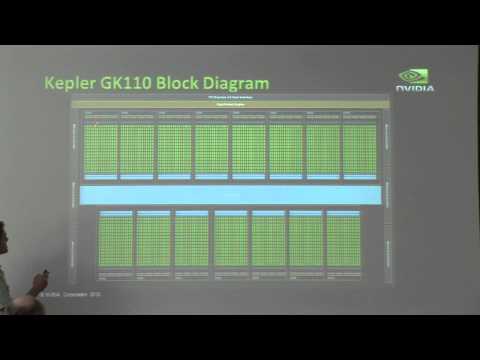
GPU architecture and parallel processing are critical components of GPU education. Students learn about the different types of GPU memory, including global memory and shared memory, as well as the various parallel computing models, such as SIMD and MIMD. They also learn about the different GPU programming models, including CUDA and OpenCL, and how to optimize their code for parallel execution. For instance, the University of Texas at Austin offers a course on GPU architecture that covers the design and implementation of GPU cores and memory hierarchy. Similarly, the Carnegie Mellon University offers a course on parallel computing that covers the principles of parallel algorithms and distributed computing.
🎓 GPU Education in Academia
GPU education in academia is becoming increasingly important, as more and more universities recognize the need for students to have a strong foundation in computer science and data science. Many universities are now offering courses and programs focused on GPU programming and high-performance computing. For example, the Harvard University offers a course on GPU computing that covers the fundamentals of CUDA and OpenCL. Similarly, the University of Cambridge offers a course on parallel computing that covers the principles of parallel algorithms and distributed computing.
📚 GPU Programming Models and Languages
GPU programming models and languages are critical components of GPU education. Students learn about the different types of GPU programming models, including CUDA and OpenCL, and how to optimize their code for parallel execution. They also learn about the different GPU languages, including C++ and Python, and how to use them to develop GPU-accelerated applications. For instance, the Stanford University offers a course on GPU programming that covers the fundamentals of CUDA and OpenCL. Similarly, the Massachusetts Institute of Technology offers a course on parallel computing that covers the principles of parallel algorithms and distributed computing.
👥 Industry Partnerships and Collaborations
Industry partnerships and collaborations are critical components of GPU education. Many universities are now partnering with industry leaders, such as NVIDIA and AMD, to provide students with access to the latest GPU technology and GPU expertise. For example, the University of California, Berkeley has partnered with NVIDIA to develop a course on GPU computing that covers the fundamentals of CUDA and OpenCL. Similarly, the Carnegie Mellon University has partnered with AMD to develop a course on parallel computing that covers the principles of parallel algorithms and distributed computing.
🚀 Real-World Applications of GPU Education
Real-world applications of GPU education are numerous and varied. Students learn about the different ways in which GPUs are used in gaming, professional visualization, artificial intelligence, and machine learning. They also learn about the different ways in which GPUs are used in scientific computing and data analytics. For instance, the University of Texas at Austin offers a course on GPU-accelerated scientific computing that covers the use of GPUs in climate models and genomics. Similarly, the Harvard University offers a course on GPU-accelerated data analytics that covers the use of GPUs in data mining and predictive analytics.
🤔 Challenges and Limitations of GPU Education
Challenges and limitations of GPU education are numerous and varied. One of the main challenges is the lack of GPU expertise among faculty members, which can make it difficult to develop and teach courses on GPU programming and high-performance computing. Another challenge is the high cost of GPU hardware, which can make it difficult for universities to provide students with access to the latest GPU technology. For example, the University of California, Berkeley has addressed this challenge by partnering with NVIDIA to provide students with access to GPU hardware and GPU expertise. Similarly, the Carnegie Mellon University has addressed this challenge by developing a course on GPU programming that covers the fundamentals of CUDA and OpenCL.
📈 Future of GPU Education and Research
The future of GPU education and research is exciting and rapidly evolving. As GPUs continue to become more powerful and widely adopted, we can expect to see even more innovative applications of GPU technology in fields such as artificial intelligence, machine learning, and scientific computing. For instance, the University of Texas at Austin is developing a new course on GPU-accelerated artificial intelligence that covers the use of GPUs in deep learning and natural language processing. Similarly, the Harvard University is developing a new course on GPU-accelerated machine learning that covers the use of GPUs in predictive analytics and data mining.
📊 GPU Education and Artificial Intelligence
GPU education and artificial intelligence are closely related fields. Many universities are now offering courses and programs focused on GPU-accelerated artificial intelligence and machine learning. For example, the Stanford University offers a course on GPU-accelerated deep learning that covers the use of GPUs in computer vision and natural language processing. Similarly, the Massachusetts Institute of Technology offers a course on GPU-accelerated machine learning that covers the use of GPUs in predictive analytics and data mining.
📁 GPU Education and Data Science
GPU education and data science are also closely related fields. Many universities are now offering courses and programs focused on GPU-accelerated data analytics and scientific computing. For instance, the University of California, Berkeley offers a course on GPU-accelerated data mining that covers the use of GPUs in predictive analytics and data visualization. Similarly, the Carnegie Mellon University offers a course on GPU-accelerated scientific computing that covers the use of GPUs in climate models and genomics.
📝 Conclusion and Recommendations
In conclusion, GPU education is a rapidly evolving field that is critical to the development of computer science and data science. As GPUs continue to become more powerful and widely adopted, we can expect to see even more innovative applications of GPU technology in fields such as artificial intelligence, machine learning, and scientific computing. We recommend that universities and industry leaders continue to invest in GPU education and research, and that students and professionals continue to develop their skills in GPU programming and high-performance computing.
Key Facts
- Year
- 2022
- Origin
- NVIDIA, University of California, Berkeley
- Category
- Computer Science
- Type
- Concept
Frequently Asked Questions
What is GPU education?
GPU education refers to the study of GPU architecture and parallel processing, as well as the development of skills in GPU programming and high-performance computing. It is a critical component of computer science and data science education, and is essential for the development of innovative applications in fields such as artificial intelligence, machine learning, and scientific computing. For example, the University of Texas at Austin offers a course on GPU computing that covers the fundamentals of CUDA and OpenCL.
Why is GPU education important?
GPU education is important because it provides students with the skills and knowledge they need to develop innovative applications in fields such as artificial intelligence, machine learning, and scientific computing. It is also essential for the development of computer science and data science education, and is critical to the advancement of these fields. For instance, the Stanford University offers a course on GPU-accelerated deep learning that covers the use of GPUs in computer vision and natural language processing.
What are the challenges and limitations of GPU education?
The challenges and limitations of GPU education include the lack of GPU expertise among faculty members, the high cost of GPU hardware, and the need for GPU programming and high-performance computing skills. However, many universities and industry leaders are working to address these challenges and limitations, and to provide students with access to the latest GPU technology and GPU expertise. For example, the University of California, Berkeley has partnered with NVIDIA to provide students with access to GPU hardware and GPU expertise.
What is the future of GPU education and research?
The future of GPU education and research is exciting and rapidly evolving. As GPUs continue to become more powerful and widely adopted, we can expect to see even more innovative applications of GPU technology in fields such as artificial intelligence, machine learning, and scientific computing. For instance, the University of Texas at Austin is developing a new course on GPU-accelerated artificial intelligence that covers the use of GPUs in deep learning and natural language processing.
How can I get started with GPU education?
To get started with GPU education, you can start by taking courses or attending workshops that cover the fundamentals of GPU architecture and parallel processing. You can also explore online resources, such as NVIDIA's CUDA and OpenCL documentation, and join online communities, such as the GPU computing subreddit. For example, the Stanford University offers a course on GPU computing that covers the fundamentals of CUDA and OpenCL.