
Contents
- 🚀 Introduction to GPU Computing
- 📈 History of GPU Computing
- 🤔 How GPU Computing Works
- 📊 Applications of GPU Computing
- 🚫 Challenges and Limitations
- 📈 Future of GPU Computing
- 🤝 GPU Computing and Artificial Intelligence
- 📊 GPU Computing in Data Science
- 📈 GPU Computing in Gaming
- 🔍 GPU Computing and Security
- 📊 Real-World Examples of GPU Computing
- 📈 Conclusion and Future Prospects
- Frequently Asked Questions
- Related Topics
Overview
GPU computing, also known as General-Purpose Computing on Graphics Processing Units, is a technique that utilizes the massive parallel processing power of graphics processing units (GPUs) to perform computations that were traditionally handled by the central processing unit (CPU). This approach has revolutionized the field of computing, enabling applications to run faster and more efficiently. For instance, GPU Architecture has been optimized to support Parallel Processing and Matrix Multiplication. The use of multiple video cards in one computer, or large numbers of graphics chips, further parallelizes the already parallel nature of graphics processing, making it an attractive solution for applications that require massive computational power, such as Artificial Intelligence and Data Science. As a result, GPU computing has become a crucial component of modern computing, with many industries relying on it to drive innovation and progress. The History of GPU Computing is a fascinating story that highlights the evolution of this technology.
📈 History of GPU Computing
The history of GPU computing dates back to the early 2000s, when researchers began exploring the potential of using GPUs for general-purpose computing. At that time, GPUs were primarily designed for handling computer graphics, but their massive parallel processing power made them an attractive solution for other applications. The development of CUDA and OpenCL programming models further accelerated the adoption of GPU computing, enabling developers to harness the power of GPUs for a wide range of applications. Today, GPU computing is a ubiquitous technology, with applications in fields such as Scientific Simulations, Machine Learning, and Gaming. The GPU Computing Landscape is constantly evolving, with new technologies and innovations emerging regularly.
🤔 How GPU Computing Works
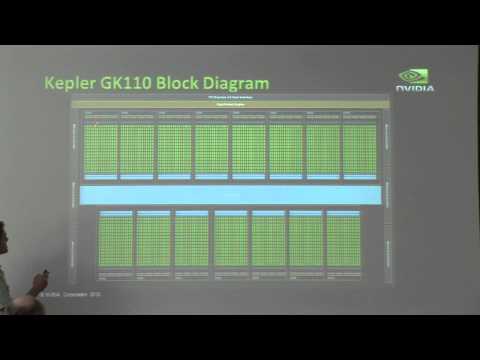
So, how does GPU computing work? In traditional computing, the CPU handles most of the computations, while the GPU is responsible for handling graphics and other visual tasks. However, with the advent of GPU computing, the GPU can now handle a wide range of computations, from simple arithmetic operations to complex matrix multiplications. This is made possible by the massive parallel processing power of modern GPUs, which can perform thousands of calculations simultaneously. The GPU Computing Architecture is designed to support this level of parallelism, with multiple processing units and a high-bandwidth memory interface. As a result, GPU computing can accelerate applications by orders of magnitude, making it an essential tool for many industries. For example, GPU-Accelerated Databases can process large datasets much faster than traditional databases.
📊 Applications of GPU Computing
GPU computing has a wide range of applications, from scientific simulations to machine learning and gaming. In scientific simulations, GPU computing can accelerate complex calculations, such as Fluid Dynamics and Molecular Dynamics. In machine learning, GPU computing can accelerate the training of neural networks, enabling faster and more accurate predictions. In gaming, GPU computing can enable realistic graphics and physics, creating a more immersive gaming experience. The Applications of GPU Computing are diverse and continue to expand, with new use cases emerging regularly. For instance, GPU Computing in Financial Modeling can help analysts process large datasets and make more accurate predictions.
🚫 Challenges and Limitations
Despite its many benefits, GPU computing also has its challenges and limitations. One of the main challenges is the need for specialized programming models, such as CUDA and OpenCL, which can be difficult to learn and master. Another challenge is the limited memory bandwidth of GPUs, which can limit their performance in certain applications. Additionally, GPU computing can be power-hungry, requiring large amounts of energy to operate. However, these challenges are being addressed by the development of new technologies, such as GPU Computing Architectures and Heterogeneous Computing. The GPU Computing Challenges are significant, but they also present opportunities for innovation and growth.
📈 Future of GPU Computing
The future of GPU computing is exciting and rapidly evolving. With the development of new technologies, such as Quantum Computing and Neuromorphic Computing, GPU computing is likely to play an even more important role in the future of computing. Additionally, the increasing demand for artificial intelligence and machine learning is driving the development of more powerful and efficient GPUs. As a result, GPU computing is likely to continue to accelerate and become even more ubiquitous in the future. The Future of GPU Computing is bright, with many opportunities for innovation and growth. For example, GPU Computing in Autonomous Vehicles can enable faster and more accurate processing of sensor data.
🤝 GPU Computing and Artificial Intelligence
GPU computing has a close relationship with artificial intelligence, as many AI applications rely on GPU computing to accelerate their computations. In fact, the development of deep learning algorithms, such as Convolutional Neural Networks and Recurrent Neural Networks, has been driven in part by the availability of powerful GPUs. Today, GPU computing is a crucial component of many AI applications, from Natural Language Processing to Computer Vision. The GPU Computing and AI connection is strong, with many opportunities for innovation and growth. For instance, GPU-Accelerated NLP can process large datasets much faster than traditional NLP algorithms.
📊 GPU Computing in Data Science
GPU computing also has a significant impact on data science, as many data science applications rely on GPU computing to accelerate their computations. In fact, the development of Data Science Tools, such as Pandas and NumPy, has been driven in part by the availability of powerful GPUs. Today, GPU computing is a crucial component of many data science applications, from Data Mining to Predictive Modeling. The GPU Computing and Data Science connection is strong, with many opportunities for innovation and growth. For example, GPU-Accelerated Data Mining can process large datasets much faster than traditional data mining algorithms.
📈 GPU Computing in Gaming
GPU computing has a long history in gaming, as many games rely on GPU computing to accelerate their graphics and physics. In fact, the development of Gaming Engines, such as Unity and Unreal Engine, has been driven in part by the availability of powerful GPUs. Today, GPU computing is a crucial component of many games, from First-Person Shooters to Massively Multiplayer Online Games. The GPU Computing and Gaming connection is strong, with many opportunities for innovation and growth. For instance, GPU-Accelerated Physics can enable more realistic simulations and better gameplay.
🔍 GPU Computing and Security
Finally, GPU computing also has significant implications for security, as many security applications rely on GPU computing to accelerate their computations. In fact, the development of Security Tools, such as Intrusion Detection Systems and Encryption, has been driven in part by the availability of powerful GPUs. Today, GPU computing is a crucial component of many security applications, from Network Security to Cybersecurity. The GPU Computing and Security connection is strong, with many opportunities for innovation and growth. For example, GPU-Accelerated IDS can process large amounts of network traffic much faster than traditional IDS systems.
📊 Real-World Examples of GPU Computing
In conclusion, GPU computing is a powerful technology that has revolutionized the field of computing. With its massive parallel processing power and ability to accelerate a wide range of applications, GPU computing has become an essential tool for many industries. From scientific simulations to machine learning and gaming, GPU computing has a wide range of applications and is likely to continue to play an important role in the future of computing. The GPU Computing Landscape is constantly evolving, with new technologies and innovations emerging regularly. As a result, it is essential to stay up-to-date with the latest developments in GPU computing and to explore its many applications and opportunities.
📈 Conclusion and Future Prospects
The future of GPU computing is exciting and rapidly evolving. With the development of new technologies, such as Quantum Computing and Neuromorphic Computing, GPU computing is likely to play an even more important role in the future of computing. Additionally, the increasing demand for artificial intelligence and machine learning is driving the development of more powerful and efficient GPUs. As a result, GPU computing is likely to continue to accelerate and become even more ubiquitous in the future. The Future of GPU Computing is bright, with many opportunities for innovation and growth. For example, GPU Computing in Edge AI can enable faster and more accurate processing of sensor data.
Key Facts
- Year
- 2007
- Origin
- NVIDIA CUDA platform
- Category
- Technology
- Type
- Technology Concept
Frequently Asked Questions
What is GPU computing?
GPU computing, also known as General-Purpose Computing on Graphics Processing Units, is a technique that utilizes the massive parallel processing power of graphics processing units (GPUs) to perform computations that were traditionally handled by the central processing unit (CPU). This approach has revolutionized the field of computing, enabling applications to run faster and more efficiently. For instance, GPU Architecture has been optimized to support Parallel Processing and Matrix Multiplication.
What are the benefits of GPU computing?
The benefits of GPU computing include accelerated performance, improved efficiency, and increased productivity. GPU computing can accelerate applications by orders of magnitude, making it an essential tool for many industries. Additionally, GPU computing can enable new applications and use cases, such as Artificial Intelligence and Data Science. The Benefits of GPU Computing are significant, and they continue to grow as the technology evolves.
What are the challenges of GPU computing?
The challenges of GPU computing include the need for specialized programming models, limited memory bandwidth, and power consumption. However, these challenges are being addressed by the development of new technologies, such as GPU Computing Architectures and Heterogeneous Computing. The Challenges of GPU Computing are significant, but they also present opportunities for innovation and growth.
What is the future of GPU computing?
The future of GPU computing is exciting and rapidly evolving. With the development of new technologies, such as Quantum Computing and Neuromorphic Computing, GPU computing is likely to play an even more important role in the future of computing. Additionally, the increasing demand for artificial intelligence and machine learning is driving the development of more powerful and efficient GPUs. The Future of GPU Computing is bright, with many opportunities for innovation and growth.
How does GPU computing relate to artificial intelligence?
GPU computing has a close relationship with artificial intelligence, as many AI applications rely on GPU computing to accelerate their computations. In fact, the development of deep learning algorithms, such as Convolutional Neural Networks and Recurrent Neural Networks, has been driven in part by the availability of powerful GPUs. The GPU Computing and AI connection is strong, with many opportunities for innovation and growth.
How does GPU computing relate to data science?
GPU computing also has a significant impact on data science, as many data science applications rely on GPU computing to accelerate their computations. In fact, the development of Data Science Tools, such as Pandas and NumPy, has been driven in part by the availability of powerful GPUs. The GPU Computing and Data Science connection is strong, with many opportunities for innovation and growth.
What are some real-world examples of GPU computing?
There are many real-world examples of GPU computing, from scientific simulations to machine learning and gaming. For instance, GPU-Accelerated Databases can process large datasets much faster than traditional databases. Additionally, GPU-Accelerated NLP can process large amounts of text data much faster than traditional NLP algorithms. The Real-World Examples of GPU Computing are diverse and continue to expand, with new use cases emerging regularly.