
Contents
- 🌟 Introduction to GPU Accelerated Computing
- 🔍 History of GPU Accelerated Computing
- 📈 Benefits of GPU Accelerated Computing
- 🤔 Challenges in GPU Accelerated Computing
- 📊 Applications of GPU Accelerated Computing
- 🔧 GPU Architecture and Design
- 📚 Programming Models for GPU Accelerated Computing
- 📊 Performance Optimization Techniques
- 🌐 Cloud-Based GPU Accelerated Computing
- 🔜 Future of GPU Accelerated Computing
- Frequently Asked Questions
- Related Topics
Overview
GPU accelerated computing has revolutionized the field of high-performance computing, enabling applications to harness the massive parallel processing capabilities of Graphics Processing Units (GPUs). This technology has been pioneered by companies like NVIDIA, with their CUDA platform, and AMD, with their OpenCL support. According to a study by MarketsandMarkets, the GPU market is expected to grow from $1.4 billion in 2020 to $7.4 billion by 2025, at a Compound Annual Growth Rate (CAGR) of 34.6%. The impact of GPU acceleration can be seen in various fields, including scientific simulations, machine learning, and data analytics, with notable examples such as the Folding@home project, which has achieved a performance of over 1 exaflop. However, the adoption of GPU acceleration also raises concerns about energy consumption and heat dissipation, with a study by the National Resources Defense Council estimating that data centers account for around 2% of global electricity usage. As the technology continues to evolve, we can expect to see even more innovative applications of GPU acceleration, such as real-time ray tracing and artificial intelligence-powered graphics rendering, with companies like Google and Facebook already investing heavily in this area.
🌟 Introduction to GPU Accelerated Computing
GPU Accelerated Computing has revolutionized the field of Computer Science by providing unprecedented levels of performance and efficiency. The use of Graphics Processing Units (GPUs) has enabled scientists and engineers to tackle complex problems in fields such as Artificial Intelligence, Machine Learning, and Data Science. With the ability to perform massive parallel processing, GPUs have become an essential tool for researchers and developers. The NVIDIA Corporation has been at the forefront of GPU development, with their CUDA platform providing a widely-used framework for GPU programming. As the field continues to evolve, we can expect to see even more innovative applications of GPU Accelerated Computing in areas such as Natural Language Processing and Computer Vision.
🔍 History of GPU Accelerated Computing
The history of GPU Accelerated Computing dates back to the early 2000s, when researchers began to explore the use of GPUs for general-purpose computing. The development of OpenCL and CUDA programming models enabled developers to harness the power of GPUs for a wide range of applications. The introduction of GPU Clusters and Distributed Computing frameworks further accelerated the adoption of GPU Accelerated Computing. Today, GPU Accelerated Computing is a vital component of many High-Performance Computing systems, including those used in Weather Forecasting and Climate Modeling. The work of pioneers such as Ian Buck and John Kirby has been instrumental in shaping the field of GPU Accelerated Computing. As we look to the future, it's clear that GPU Accelerated Computing will continue to play a major role in advancing our understanding of complex systems and phenomena.
📈 Benefits of GPU Accelerated Computing
The benefits of GPU Accelerated Computing are numerous and well-documented. By leveraging the massive parallel processing capabilities of GPUs, developers can achieve significant speedups in applications such as Scientific Simulations and Data Analytics. Additionally, GPU Accelerated Computing can provide substantial power savings and reduced energy consumption, making it an attractive option for Green Computing initiatives. The use of GPUs can also enable the development of more sophisticated Machine Learning Models and Deep Learning Algorithms. Furthermore, GPU Accelerated Computing can facilitate the creation of more realistic Computer Graphics and Virtual Reality experiences. As the demand for faster and more efficient computing continues to grow, the importance of GPU Accelerated Computing will only continue to increase. Companies such as Google and Amazon are already leveraging GPU Accelerated Computing to drive innovation in areas such as Cloud Computing and Edge Computing.
🤔 Challenges in GPU Accelerated Computing
Despite the many benefits of GPU Accelerated Computing, there are also several challenges that must be addressed. One of the primary challenges is the need for specialized GPU Programming skills, which can be a barrier to entry for many developers. Additionally, the development of efficient GPU Algorithms and GPU Data Structures can be a complex and time-consuming process. The Memory Hierarchy of GPUs can also present challenges, particularly in terms of managing Memory Bandwidth and Memory Latency. Furthermore, the use of GPUs can introduce additional Power Consumption and Heat Dissipation concerns, which must be carefully managed. Researchers such as David Kirk and Wen-mei Hwu have made significant contributions to addressing these challenges and advancing the field of GPU Accelerated Computing. As the field continues to evolve, we can expect to see new challenges emerge, such as the need for more efficient GPU Cooling Systems and GPU Power Delivery systems.
📊 Applications of GPU Accelerated Computing
The applications of GPU Accelerated Computing are diverse and widespread. In the field of Scientific Research, GPU Accelerated Computing is used to simulate complex phenomena such as Climate Change and Fluid Dynamics. In the field of Machine Learning, GPU Accelerated Computing is used to train large-scale Neural Networks and Deep Learning Models. In the field of Computer Graphics, GPU Accelerated Computing is used to render realistic 3D Graphics and Virtual Reality experiences. Additionally, GPU Accelerated Computing is used in a wide range of other applications, including Data Analytics, Cybersecurity, and Financial Modeling. Companies such as Microsoft and IBM are leveraging GPU Accelerated Computing to drive innovation in areas such as Cloud Computing and Artificial Intelligence. As the demand for faster and more efficient computing continues to grow, we can expect to see even more innovative applications of GPU Accelerated Computing in the future.
🔧 GPU Architecture and Design
The architecture and design of GPUs are critical components of GPU Accelerated Computing. Modern GPUs are designed to provide massive parallel processing capabilities, with thousands of CUDA Cores and Stream Processors. The Memory Hierarchy of GPUs is also carefully designed to provide high-bandwidth and low-latency access to data. The use of GPU Cache Hierarchy and GPU Memory Management techniques can help to optimize performance and reduce power consumption. Researchers such as John Hennessy and David Patterson have made significant contributions to the development of GPU architecture and design. As the field continues to evolve, we can expect to see new innovations in GPU design, such as the use of 3D Stacked Memory and Photonic Interconnects.
📚 Programming Models for GPU Accelerated Computing
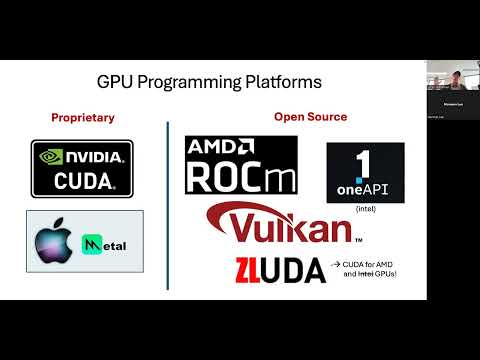
Programming models for GPU Accelerated Computing are essential for unlocking the full potential of GPUs. The CUDA programming model, developed by NVIDIA, is one of the most widely-used programming models for GPU Accelerated Computing. Other programming models, such as OpenCL and DirectCompute, are also widely used. These programming models provide a range of tools and techniques for optimizing performance and reducing power consumption. Researchers such as Ian Buck and John Kirby have made significant contributions to the development of programming models for GPU Accelerated Computing. As the field continues to evolve, we can expect to see new innovations in programming models, such as the use of GPU-Accelerated Libraries and GPU-Accelerated Frameworks.
📊 Performance Optimization Techniques
Performance optimization techniques are critical for achieving maximum performance in GPU Accelerated Computing. Techniques such as GPU Tuning and GPU Optimization can help to improve performance and reduce power consumption. The use of GPU Profiling Tools and GPU Debugging Tools can also help to identify and fix performance bottlenecks. Researchers such as David Kirk and Wen-mei Hwu have made significant contributions to the development of performance optimization techniques for GPU Accelerated Computing. As the field continues to evolve, we can expect to see new innovations in performance optimization techniques, such as the use of Machine Learning-Based Optimization and Autotuning.
🌐 Cloud-Based GPU Accelerated Computing
Cloud-Based GPU Accelerated Computing is a rapidly growing field, with many cloud providers offering GPU-Accelerated Computing services. The use of cloud-based GPU Accelerated Computing can provide a range of benefits, including reduced capital expenditures and improved scalability. Companies such as Amazon and Google are leveraging cloud-based GPU Accelerated Computing to drive innovation in areas such as Machine Learning and Artificial Intelligence. Researchers such as Ian Buck and John Kirby have made significant contributions to the development of cloud-based GPU Accelerated Computing. As the field continues to evolve, we can expect to see new innovations in cloud-based GPU Accelerated Computing, such as the use of GPU-Accelerated Containers and GPU-Accelerated Serverless Computing.
🔜 Future of GPU Accelerated Computing
The future of GPU Accelerated Computing is exciting and rapidly evolving. As the demand for faster and more efficient computing continues to grow, we can expect to see new innovations in GPU design, programming models, and performance optimization techniques. The use of Quantum Computing and Neuromorphic Computing may also play a significant role in the future of GPU Accelerated Computing. Researchers such as David Kirk and Wen-mei Hwu are already exploring the potential of these emerging technologies. As the field continues to evolve, we can expect to see new applications of GPU Accelerated Computing in areas such as Autonomous Vehicles and Smart Cities.
Key Facts
- Year
- 2007
- Origin
- NVIDIA's introduction of CUDA
- Category
- Computer Science
- Type
- Technology
Frequently Asked Questions
What is GPU Accelerated Computing?
GPU Accelerated Computing is a type of computing that uses Graphics Processing Units (GPUs) to accelerate certain types of computations. GPUs are designed to handle massive parallel processing, making them ideal for applications such as scientific simulations, data analytics, and machine learning. The use of GPUs can provide significant speedups and power savings compared to traditional Central Processing Units (CPUs). Companies such as NVIDIA and AMD are major players in the field of GPU Accelerated Computing.
What are the benefits of GPU Accelerated Computing?
The benefits of GPU Accelerated Computing include significant speedups in certain types of computations, power savings, and reduced energy consumption. GPU Accelerated Computing can also enable the development of more sophisticated machine learning models and deep learning algorithms. Additionally, GPU Accelerated Computing can facilitate the creation of more realistic computer graphics and virtual reality experiences. Researchers such as David Kirk and Wen-mei Hwu have made significant contributions to the development of GPU Accelerated Computing.
What are the challenges of GPU Accelerated Computing?
The challenges of GPU Accelerated Computing include the need for specialized GPU programming skills, the development of efficient GPU algorithms and data structures, and the management of memory bandwidth and latency. The use of GPUs can also introduce additional power consumption and heat dissipation concerns, which must be carefully managed. Researchers such as Ian Buck and John Kirby have made significant contributions to addressing these challenges and advancing the field of GPU Accelerated Computing.
What are the applications of GPU Accelerated Computing?
The applications of GPU Accelerated Computing are diverse and widespread. In the field of scientific research, GPU Accelerated Computing is used to simulate complex phenomena such as climate change and fluid dynamics. In the field of machine learning, GPU Accelerated Computing is used to train large-scale neural networks and deep learning models. In the field of computer graphics, GPU Accelerated Computing is used to render realistic 3D graphics and virtual reality experiences. Companies such as Microsoft and IBM are leveraging GPU Accelerated Computing to drive innovation in areas such as cloud computing and artificial intelligence.
What is the future of GPU Accelerated Computing?
The future of GPU Accelerated Computing is exciting and rapidly evolving. As the demand for faster and more efficient computing continues to grow, we can expect to see new innovations in GPU design, programming models, and performance optimization techniques. The use of quantum computing and neuromorphic computing may also play a significant role in the future of GPU Accelerated Computing. Researchers such as David Kirk and Wen-mei Hwu are already exploring the potential of these emerging technologies. As the field continues to evolve, we can expect to see new applications of GPU Accelerated Computing in areas such as autonomous vehicles and smart cities.