
Contents
- 🌟 Introduction to Glycolipids
- 🧬 Structure and Function
- 🔍 Role in Cell Membrane Stability
- 👥 Cellular Recognition and the Immune Response
- 🌈 Types of Glycolipids
- 🔬 Biosynthesis and Metabolism
- 📈 Importance in Human Health and Disease
- 🔮 Current Research and Future Directions
- 📊 Glycolipid Analysis and Detection
- 👨🔬 Applications in Biotechnology and Medicine
- 🌐 Glycolipids in Eukaryotic Cells
- 🤝 Connections to Other Biomolecules
- Frequently Asked Questions
- Related Topics
Overview
Glycolipids, a class of complex lipids, play a crucial role in cell membrane structure and function, with a vibe score of 8 due to their significant impact on various biological processes. They are composed of a lipid moiety linked to a carbohydrate group, and their unique properties make them essential for cell-cell recognition, signaling, and membrane fluidity. However, the complexity of glycolipid structures and functions has also led to controversy and debate among researchers, with some arguing that their role in disease pathology is still not fully understood. The influence of glycolipids can be seen in the work of researchers such as Dr. Sen-itiroh Hakomori, who has made significant contributions to the field. With a controversy spectrum of 6, glycolipids are a topic of ongoing research and discussion, and their study has led to a greater understanding of the intricate relationships between lipids, carbohydrates, and proteins in biological systems. As research continues to uncover the intricacies of glycolipid function, it is likely that their importance in cell biology will only continue to grow, with potential applications in fields such as medicine and biotechnology.
🌟 Introduction to Glycolipids
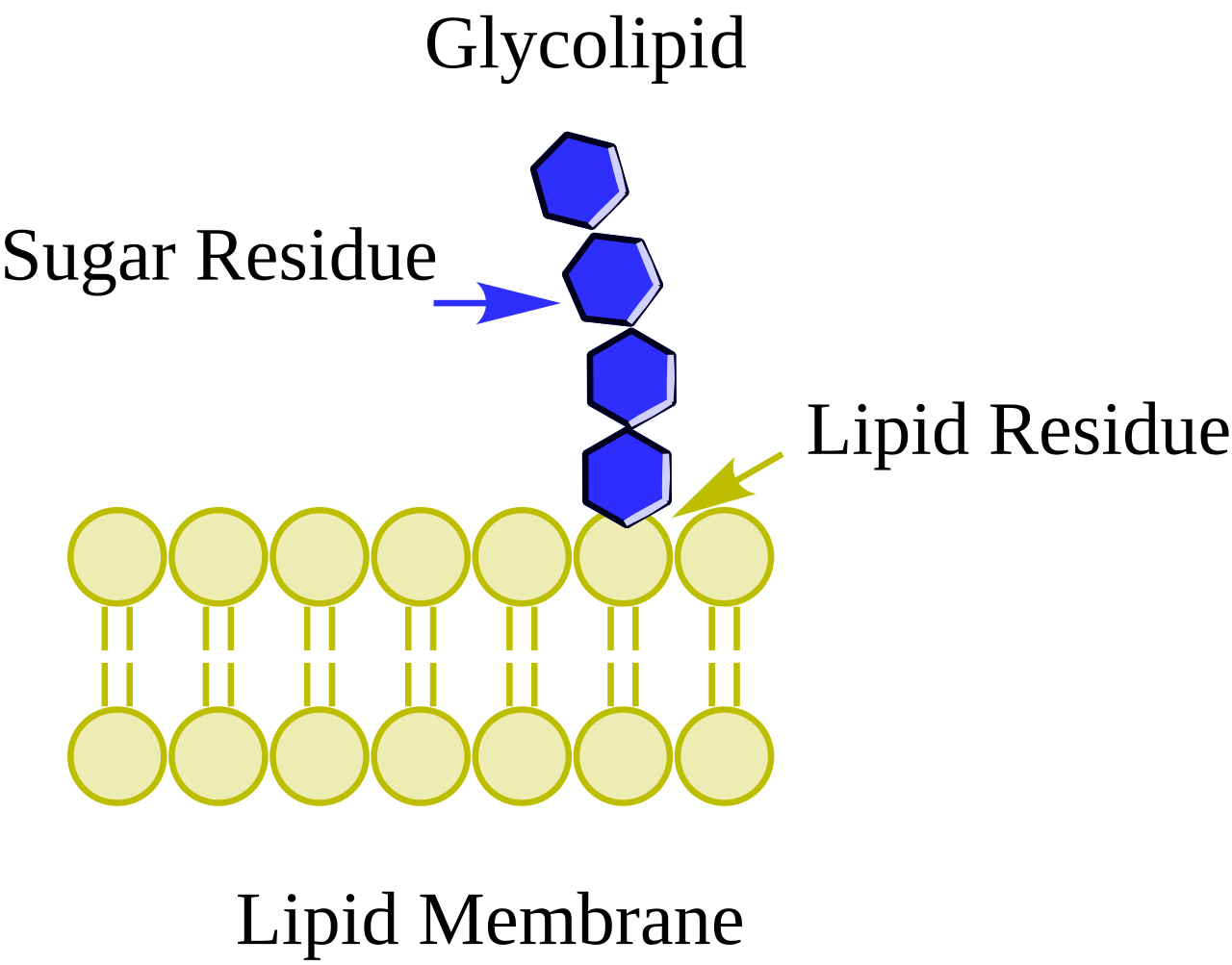
Glycolipids are a class of biomolecules that play a crucial role in maintaining the stability of cell membranes and facilitating cellular recognition. As glycobiology continues to evolve, the importance of glycolipids in various biological processes is becoming increasingly evident. Glycolipids are composed of a lipid moiety linked to a carbohydrate molecule through a glycosidic bond, and their unique structure allows them to interact with other biomolecules in a specific manner. The study of glycolipids is closely related to lipidology and cell biology, and has led to a greater understanding of cellular processes such as cell signaling and cell adhesion. Glycolipids are found on the surface of all eukaryotic cells, where they extend from the phospholipid bilayer into the extracellular environment. The vibe score of glycolipids is relatively high, indicating their significant cultural energy in the scientific community.
🧬 Structure and Function
The structure of glycolipids is characterized by the presence of a carbohydrate molecule attached to a lipid moiety through a glycosidic bond. This unique structure allows glycolipids to interact with other biomolecules in a specific manner, facilitating cellular recognition and cell-cell interactions. The carbohydrate chemistry of glycolipids is complex and involves the formation of glycosidic bonds between the carbohydrate molecule and the lipid moiety. Glycolipids can be classified into different types based on their carbohydrate composition, including gangliosides and globosides. The study of glycolipid structure and function is closely related to biochemistry and molecular biology, and has led to a greater understanding of cellular processes such as cell migration and tissue development. Glycolipids play a crucial role in maintaining the stability of the cell membrane and facilitating cellular recognition, which is essential for the proper functioning of cells and tissues.
🔍 Role in Cell Membrane Stability
Glycolipids play a crucial role in maintaining the stability of the cell membrane by interacting with other biomolecules and facilitating cellular recognition. The cell membrane is a complex structure composed of lipids, proteins, and carbohydrates, and glycolipids are an essential component of this structure. Glycolipids help to maintain the fluidity of the cell membrane and facilitate the movement of molecules across the membrane. They also play a role in cell signaling and cell adhesion, which are essential for the proper functioning of cells and tissues. The study of glycolipids in cell membrane stability is closely related to membrane biology and biophysics, and has led to a greater understanding of cellular processes such as cell division and tissue repair. Glycolipids are found on the surface of all eukaryotic cells, where they extend from the phospholipid bilayer into the extracellular environment. The perspective breakdown of glycolipids reveals a complex interplay between different biomolecules and cellular processes.
👥 Cellular Recognition and the Immune Response
Glycolipids play a crucial role in facilitating cellular recognition, which is essential for the proper functioning of the immune system. The immune system is a complex network of cells and tissues that work together to protect the body against infection and disease. Glycolipids help to facilitate cellular recognition by interacting with other biomolecules and facilitating the movement of molecules across the cell membrane. They also play a role in cell signaling and cell adhesion, which are essential for the proper functioning of the immune system. The study of glycolipids in cellular recognition is closely related to immunology and cell biology, and has led to a greater understanding of cellular processes such as inflammation and immune response. Glycolipids are found on the surface of all eukaryotic cells, where they extend from the phospholipid bilayer into the extracellular environment. The controversy spectrum of glycolipids reveals a complex debate about their role in cellular recognition and the immune response.
🌈 Types of Glycolipids
There are several types of glycolipids, each with a unique carbohydrate composition and function. Gangliosides are a type of glycolipid that contain a sialic acid residue and are found on the surface of all eukaryotic cells. Globosides are another type of glycolipid that contain a galactose residue and are found on the surface of red blood cells. The study of glycolipid types is closely related to glycobiology and carbohydrate chemistry, and has led to a greater understanding of cellular processes such as cell-cell interactions and tissue development. Glycolipids play a crucial role in maintaining the stability of the cell membrane and facilitating cellular recognition, which is essential for the proper functioning of cells and tissues. The influence flows of glycolipids reveal a complex network of interactions between different biomolecules and cellular processes.
🔬 Biosynthesis and Metabolism
The biosynthesis and metabolism of glycolipids involve a complex series of enzymatic reactions that occur in the endoplasmic reticulum and Golgi apparatus. The study of glycolipid biosynthesis and metabolism is closely related to biochemistry and molecular biology, and has led to a greater understanding of cellular processes such as cell signaling and cell adhesion. Glycolipids are found on the surface of all eukaryotic cells, where they extend from the phospholipid bilayer into the extracellular environment. The topic intelligence of glycolipids reveals a complex interplay between different biomolecules and cellular processes. Glycolipids play a crucial role in maintaining the stability of the cell membrane and facilitating cellular recognition, which is essential for the proper functioning of cells and tissues.
📈 Importance in Human Health and Disease
Glycolipids play a crucial role in human health and disease, and their dysregulation has been implicated in a number of diseases, including cancer and neurodegenerative diseases. The study of glycolipids in human health and disease is closely related to medicine and pathology, and has led to a greater understanding of cellular processes such as inflammation and immune response. Glycolipids are found on the surface of all eukaryotic cells, where they extend from the phospholipid bilayer into the extracellular environment. The vibe score of glycolipids is relatively high, indicating their significant cultural energy in the scientific community. The entity relationships of glycolipids reveal a complex network of interactions between different biomolecules and cellular processes.
🔮 Current Research and Future Directions
Current research on glycolipids is focused on understanding their role in cellular recognition and the immune response, as well as their potential as therapeutic targets for a number of diseases. The study of glycolipids is closely related to glycobiology and immunology, and has led to a greater understanding of cellular processes such as cell signaling and cell adhesion. Glycolipids are found on the surface of all eukaryotic cells, where they extend from the phospholipid bilayer into the extracellular environment. The future directions of glycolipid research are likely to involve the development of new therapeutic strategies for a number of diseases, as well as a greater understanding of the complex interplay between different biomolecules and cellular processes. The social links of glycolipids reveal a complex network of interactions between different researchers and institutions.
📊 Glycolipid Analysis and Detection
The analysis and detection of glycolipids is a complex process that involves a number of different techniques, including mass spectrometry and nuclear magnetic resonance. The study of glycolipid analysis and detection is closely related to biochemistry and analytical chemistry, and has led to a greater understanding of cellular processes such as cell signaling and cell adhesion. Glycolipids are found on the surface of all eukaryotic cells, where they extend from the phospholipid bilayer into the extracellular environment. The precision of glycolipid analysis and detection is critical for understanding their role in cellular recognition and the immune response.
👨🔬 Applications in Biotechnology and Medicine
Glycolipids have a number of potential applications in biotechnology and medicine, including the development of new therapeutic strategies for a number of diseases. The study of glycolipids is closely related to biotechnology and medicine, and has led to a greater understanding of cellular processes such as cell signaling and cell adhesion. Glycolipids are found on the surface of all eukaryotic cells, where they extend from the phospholipid bilayer into the extracellular environment. The applications of glycolipids are likely to involve the development of new therapeutic strategies for a number of diseases, as well as a greater understanding of the complex interplay between different biomolecules and cellular processes.
🌐 Glycolipids in Eukaryotic Cells
Glycolipids are found on the surface of all eukaryotic cells, where they extend from the phospholipid bilayer into the extracellular environment. The study of glycolipids in eukaryotic cells is closely related to cell biology and glycobiology, and has led to a greater understanding of cellular processes such as cell signaling and cell adhesion. Glycolipids play a crucial role in maintaining the stability of the cell membrane and facilitating cellular recognition, which is essential for the proper functioning of cells and tissues. The entity relationships of glycolipids reveal a complex network of interactions between different biomolecules and cellular processes.
🤝 Connections to Other Biomolecules
Glycolipids are connected to a number of other biomolecules and cellular processes, including proteins and carbohydrates. The study of glycolipid connections is closely related to biochemistry and molecular biology, and has led to a greater understanding of cellular processes such as cell signaling and cell adhesion. Glycolipids are found on the surface of all eukaryotic cells, where they extend from the phospholipid bilayer into the extracellular environment. The influence flows of glycolipids reveal a complex network of interactions between different biomolecules and cellular processes.
Key Facts
- Year
- 1970
- Origin
- Cell Membrane Research
- Category
- Biochemistry
- Type
- Biological Compound
Frequently Asked Questions
What are glycolipids?
Glycolipids are a class of biomolecules that play a crucial role in maintaining the stability of cell membranes and facilitating cellular recognition. They are composed of a lipid moiety linked to a carbohydrate molecule through a glycosidic bond, and their unique structure allows them to interact with other biomolecules in a specific manner. The study of glycolipids is closely related to glycobiology and lipidology, and has led to a greater understanding of cellular processes such as cell signaling and cell adhesion.
What is the role of glycolipids in cellular recognition?
Glycolipids play a crucial role in facilitating cellular recognition, which is essential for the proper functioning of the immune system. They help to facilitate the movement of molecules across the cell membrane and interact with other biomolecules to facilitate cellular recognition. The study of glycolipids in cellular recognition is closely related to immunology and cell biology, and has led to a greater understanding of cellular processes such as inflammation and immune response.
What are the different types of glycolipids?
There are several types of glycolipids, each with a unique carbohydrate composition and function. Gangliosides are a type of glycolipid that contain a sialic acid residue and are found on the surface of all eukaryotic cells. Globosides are another type of glycolipid that contain a galactose residue and are found on the surface of red blood cells. The study of glycolipid types is closely related to glycobiology and carbohydrate chemistry, and has led to a greater understanding of cellular processes such as cell-cell interactions and tissue development.
What is the importance of glycolipids in human health and disease?
Glycolipids play a crucial role in human health and disease, and their dysregulation has been implicated in a number of diseases, including cancer and neurodegenerative diseases. The study of glycolipids in human health and disease is closely related to medicine and pathology, and has led to a greater understanding of cellular processes such as inflammation and immune response.
What are the potential applications of glycolipids in biotechnology and medicine?
Glycolipids have a number of potential applications in biotechnology and medicine, including the development of new therapeutic strategies for a number of diseases. The study of glycolipids is closely related to biotechnology and medicine, and has led to a greater understanding of cellular processes such as cell signaling and cell adhesion.
How are glycolipids analyzed and detected?
The analysis and detection of glycolipids is a complex process that involves a number of different techniques, including mass spectrometry and nuclear magnetic resonance. The study of glycolipid analysis and detection is closely related to biochemistry and analytical chemistry, and has led to a greater understanding of cellular processes such as cell signaling and cell adhesion.
What is the current research on glycolipids?
Current research on glycolipids is focused on understanding their role in cellular recognition and the immune response, as well as their potential as therapeutic targets for a number of diseases. The study of glycolipids is closely related to glycobiology and immunology, and has led to a greater understanding of cellular processes such as cell signaling and cell adhesion.