
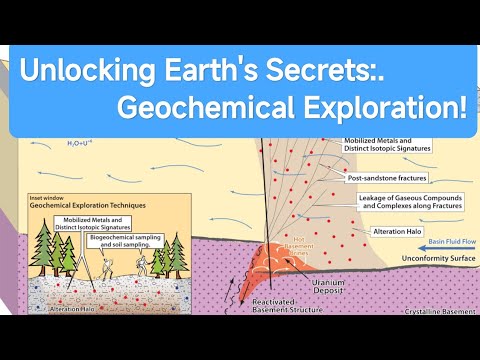
Contents
- 🌎 Introduction to Geochemical Modeling
- 🔍 Principles of Geochemical Modeling
- 📊 Applications of Geochemical Modeling
- 🌟 High-Temperature Geochemistry
- 🌿 Low-Temperature Geochemistry
- 📈 Modeling Geochemical Reactions
- 🌐 Case Studies in Geochemical Modeling
- 🤔 Challenges and Limitations
- 🌈 Future Directions in Geochemical Modeling
- 📚 Conclusion and Recommendations
- 👥 Key Players in Geochemical Modeling
- 📊 Emerging Trends and Technologies
- Frequently Asked Questions
- Related Topics
Overview
Geochemical modeling is a rapidly evolving field that combines principles from geology, chemistry, biology, and physics to simulate and predict the behavior of complex geochemical systems. By integrating data from various sources, including laboratory experiments, field observations, and remote sensing, researchers can gain insights into the Earth's internal and external processes, such as plate tectonics, weathering, and climate change. The applications of geochemical modeling are diverse, ranging from environmental risk assessment and remediation to natural resource management and exploration. For instance, the US Geological Survey (USGS) has used geochemical modeling to predict the migration of contaminants in groundwater, while the European Space Agency (ESA) has employed similar techniques to study the geochemical signature of Martian rocks. With the increasing availability of high-performance computing and advanced algorithms, geochemical modeling is poised to revolutionize our understanding of the Earth's systems and inform evidence-based decision-making. As noted by Dr. Susan Brantley, a leading expert in geochemical modeling, 'the next decade will see a significant shift towards more integrated and interdisciplinary approaches to understanding the Earth's geochemical cycles.'
🌎 Introduction to Geochemical Modeling
Geochemical modeling is a crucial tool for understanding the complex chemical reactions that shape our planet. By using geochemistry and chemical thermodynamics, scientists can simulate the behavior of geologic systems and predict the outcomes of various geochemical reactions. This field has far-reaching implications for environmental science, geology, and ecology. For instance, geochemical modeling can help us understand the carbon cycle and the impact of climate change on our planet. By studying geochemical processes, we can gain insights into the Earth's geochemical history and better understand the interactions between geosphere and hydrosphere.
🔍 Principles of Geochemical Modeling
The principles of geochemical modeling are rooted in chemical kinetics and chemical thermodynamics. By applying these principles, scientists can model the behavior of geochemical systems and predict the outcomes of various geochemical reactions. This involves using complex algorithms and computer simulations to analyze the behavior of geologic systems. Geochemical modeling also relies on geochemical data and geochemical parameters to inform its predictions. By combining these approaches, scientists can gain a deeper understanding of geochemical processes and their role in shaping our planet. For example, geochemical modeling can be used to study the weathering of rocks and the formation of sedimentary rocks.
📊 Applications of Geochemical Modeling
The applications of geochemical modeling are diverse and widespread. In environmental science, geochemical modeling is used to study the fate and transport of pollutants in the environment. In geology, geochemical modeling is used to understand the formation of mineral deposits and the evolution of the Earth. In ecology, geochemical modeling is used to study the interactions between geosphere and hydrosphere and the impact of human activities on the environment. By using geochemical modeling, scientists can gain insights into the complex geochemical processes that shape our planet and make more informed decisions about environmental management. For instance, geochemical modeling can be used to study the impact of climate change on ecosystems.
🌟 High-Temperature Geochemistry
High-temperature geochemistry is a critical area of research in geochemical modeling. By studying the behavior of magmatic systems and the formation of igneous rocks, scientists can gain insights into the Earth's geochemical history. High-temperature geochemistry involves the study of geochemical reactions that occur at high temperatures and pressures, such as those found in volcanic systems. By using geochemical modeling, scientists can simulate the behavior of these systems and predict the outcomes of various geochemical reactions. For example, high-temperature geochemistry can be used to study the formation of economic mineral deposits.
🌿 Low-Temperature Geochemistry
Low-temperature geochemistry is another important area of research in geochemical modeling. By studying the behavior of aqueous systems and the formation of sedimentary rocks, scientists can gain insights into the Earth's geochemical history. Low-temperature geochemistry involves the study of geochemical reactions that occur at low temperatures and pressures, such as those found in surface water systems. By using geochemical modeling, scientists can simulate the behavior of these systems and predict the outcomes of various geochemical reactions. For instance, low-temperature geochemistry can be used to study the fate and transport of contaminants in the environment.
📈 Modeling Geochemical Reactions
Modeling geochemical reactions is a complex task that requires a deep understanding of chemical thermodynamics and chemical kinetics. By using geochemical modeling, scientists can simulate the behavior of geochemical systems and predict the outcomes of various geochemical reactions. This involves using complex algorithms and computer simulations to analyze the behavior of geologic systems. Geochemical modeling also relies on geochemical data and geochemical parameters to inform its predictions. For example, geochemical modeling can be used to study the oxidation of metals and the formation of mineral deposits.
🌐 Case Studies in Geochemical Modeling
Case studies in geochemical modeling provide valuable insights into the applications and limitations of this field. By examining real-world examples of geochemical modeling in action, scientists can gain a deeper understanding of the complex geochemical processes that shape our planet. For instance, geochemical modeling can be used to study the impact of climate change on water resources and the fate and transport of contaminants in the environment. By using geochemical modeling, scientists can simulate the behavior of geochemical systems and predict the outcomes of various geochemical reactions.
🤔 Challenges and Limitations
Despite its many advantages, geochemical modeling is not without its challenges and limitations. One of the major challenges facing geochemical modeling is the complexity of geochemical systems and the difficulty of simulating their behavior. Additionally, geochemical modeling requires large amounts of geochemical data and geochemical parameters, which can be difficult to obtain. Furthermore, geochemical modeling is often limited by the accuracy of its predictions and the uncertainty of its results. For example, geochemical modeling can be used to study the uncertainty of geochemical parameters and the sensitivity of geochemical models.
🌈 Future Directions in Geochemical Modeling
The future of geochemical modeling is exciting and rapidly evolving. As computational power and geochemical data become more widely available, geochemical modeling is likely to become an even more powerful tool for understanding the Earth's geochemical processes. Additionally, the development of new geochemical modeling techniques and the integration of geochemical modeling with other fields, such as geophysics and ecology, are likely to further expand the applications and capabilities of geochemical modeling. For instance, geochemical modeling can be used to study the impact of human activities on the environment and the sustainability of natural resources.
📚 Conclusion and Recommendations
In conclusion, geochemical modeling is a powerful tool for understanding the complex geochemical processes that shape our planet. By using geochemical modeling, scientists can simulate the behavior of geochemical systems and predict the outcomes of various geochemical reactions. As the field of geochemical modeling continues to evolve, it is likely to become an even more important tool for addressing the environmental challenges facing our planet. For example, geochemical modeling can be used to study the mitigation of climate change and the conservation of natural resources.
👥 Key Players in Geochemical Modeling
The key players in geochemical modeling are diverse and include scientists from a range of disciplines, including geochemistry, geology, and ecology. Some of the most prominent researchers in the field of geochemical modeling include Robert Garrels and Harold Helgeson. These scientists have made significant contributions to our understanding of geochemical processes and the development of geochemical modeling techniques. For instance, Robert Garrels has worked on the development of geochemical models for simulating the behavior of geochemical systems.
📊 Emerging Trends and Technologies
The emerging trends and technologies in geochemical modeling are exciting and rapidly evolving. Some of the most significant trends include the development of new geochemical modeling techniques, such as machine learning and artificial intelligence, and the integration of geochemical modeling with other fields, such as geophysics and ecology. Additionally, the increasing availability of geochemical data and computational power is likely to further expand the applications and capabilities of geochemical modeling. For example, geochemical modeling can be used to study the impact of climate change on ecosystems and the sustainability of natural resources.
Key Facts
- Year
- 2022
- Origin
- The concept of geochemical modeling emerged in the 1960s, with the work of pioneers such as Dr. Robert Garrels and Dr. Eugene Perry, who developed some of the first numerical models of geochemical systems.
- Category
- Environmental Science
- Type
- Scientific Discipline
Frequently Asked Questions
What is geochemical modeling?
Geochemical modeling is the practice of using chemical thermodynamics, chemical kinetics, or both, to analyze the chemical reactions that affect geologic systems, commonly with the aid of a computer. It is used to simulate reactions occurring deep in the Earth's interior, in magma, for instance, or to model low-temperature reactions in aqueous solutions near the Earth's surface. For example, geochemical modeling can be used to study the formation of mineral deposits and the evolution of the Earth.
What are the applications of geochemical modeling?
The applications of geochemical modeling are diverse and widespread. In environmental science, geochemical modeling is used to study the fate and transport of pollutants in the environment. In geology, geochemical modeling is used to understand the formation of mineral deposits and the evolution of the Earth. In ecology, geochemical modeling is used to study the interactions between geosphere and hydrosphere and the impact of human activities on the environment. For instance, geochemical modeling can be used to study the impact of climate change on water resources and the fate and transport of contaminants in the environment.
What are the challenges and limitations of geochemical modeling?
Despite its many advantages, geochemical modeling is not without its challenges and limitations. One of the major challenges facing geochemical modeling is the complexity of geochemical systems and the difficulty of simulating their behavior. Additionally, geochemical modeling requires large amounts of geochemical data and geochemical parameters, which can be difficult to obtain. Furthermore, geochemical modeling is often limited by the accuracy of its predictions and the uncertainty of its results. For example, geochemical modeling can be used to study the uncertainty of geochemical parameters and the sensitivity of geochemical models.
What is the future of geochemical modeling?
The future of geochemical modeling is exciting and rapidly evolving. As computational power and geochemical data become more widely available, geochemical modeling is likely to become an even more powerful tool for understanding the Earth's geochemical processes. Additionally, the development of new geochemical modeling techniques and the integration of geochemical modeling with other fields, such as geophysics and ecology, are likely to further expand the applications and capabilities of geochemical modeling. For instance, geochemical modeling can be used to study the impact of human activities on the environment and the sustainability of natural resources.
Who are the key players in geochemical modeling?
The key players in geochemical modeling are diverse and include scientists from a range of disciplines, including geochemistry, geology, and ecology. Some of the most prominent researchers in the field of geochemical modeling include Robert Garrels and Harold Helgeson. These scientists have made significant contributions to our understanding of geochemical processes and the development of geochemical modeling techniques. For example, Robert Garrels has worked on the development of geochemical models for simulating the behavior of geochemical systems.