
Contents
- 🌠 Introduction to Solar System Formation
- 🌌 The Gravitational Collapse Hypothesis
- 🌟 The Role of the Sun in Solar System Formation
- 🌐 Protoplanetary Disk Formation and Evolution
- 🌊 Planetary Differentiation and Migration
- 🌍 Terrestrial Planet Formation
- 🌊 Gas Giant Formation and Migration
- 🌌 Asteroid Belt and Kuiper Belt Formation
- 🌠 Solar System Formation Timeline
- 🌟 Theories and Debates in Solar System Formation
- 🌐 Future Research Directions in Solar System Formation
- Frequently Asked Questions
- Related Topics
Overview
The formation of the Solar System is a complex and still somewhat mysterious process that began about 4.6 billion years ago with the gravitational collapse of a small part of a giant molecular cloud. This collapse led to the formation of the Sun and the surrounding protoplanetary disk, out of which the planets, moons, asteroids, and other small Solar System bodies formed. The study of Solar System formation is an active area of research, with scientists using a combination of astronomical observations, geological studies, and computer simulations to understand the processes involved. One of the key questions in the field is how the Solar System came to have its current structure, with the terrestrial planets like Earth and Mars forming close to the Sun, while the gas giants like Jupiter and Saturn formed farther out. The formation of the Solar System is also closely tied to the study of exoplanets and the search for life beyond Earth.
🌌 The Gravitational Collapse Hypothesis
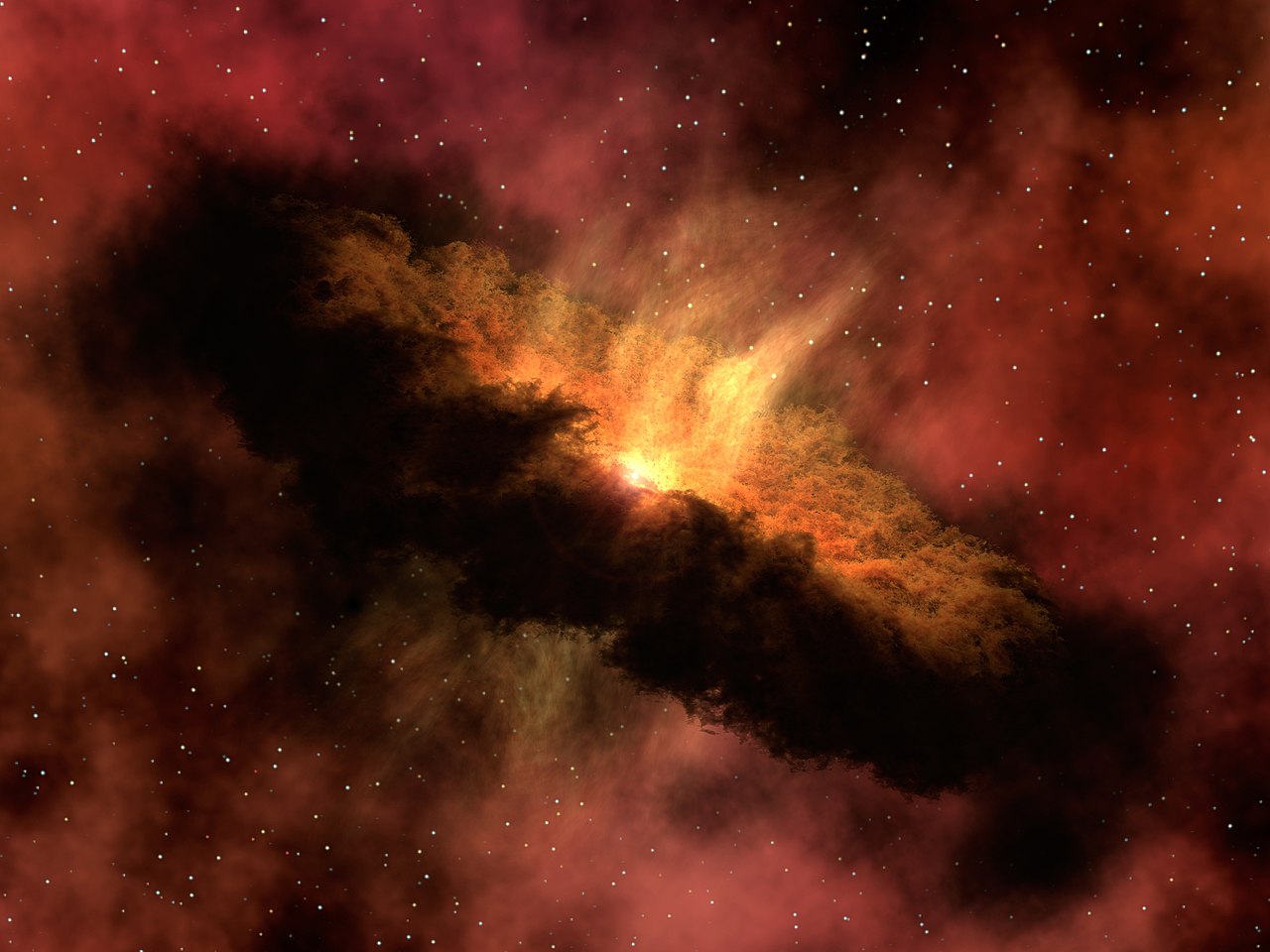
The gravitational collapse hypothesis is the leading theory for the formation of the Solar System. This theory proposes that the Solar System formed from a giant molecular cloud that collapsed under its own gravity, with the Sun forming at the center and the protoplanetary disk forming around it. The collapse of the molecular cloud would have triggered a star formation process, with the Sun forming through the gravitational collapse of a dense core within the cloud. The surrounding protoplanetary disk would have then formed through the conservation of angular momentum, with the material in the disk cooling and condensing to form planetesimals and eventually planets. The study of star formation and protoplanetary disk evolution is crucial for understanding the formation of the Solar System.
🌟 The Role of the Sun in Solar System Formation
The Sun plays a central role in the formation of the Solar System, with its gravity dominating the surrounding protoplanetary disk. The Sun's energy output also played a crucial role in shaping the Solar System, with its solar wind and solar radiation influencing the formation and evolution of the planets. The Sun's gravity also helped to shape the asteroid belt and the Kuiper belt, with the asteroids and Kuiper belt objects forming through the gravitational perturbations of the gas giants. The study of the Sun's role in Solar System formation is closely tied to the study of stellar evolution and the Solar System's place within the Milky Way galaxy.
🌐 Protoplanetary Disk Formation and Evolution
The protoplanetary disk is a critical component of the Solar System formation process, with the planets and other Solar System bodies forming through the gravitational collapse of material within the disk. The protoplanetary disk is thought to have formed through the conservation of angular momentum, with the material in the disk cooling and condensing to form planetesimals and eventually planets. The study of protoplanetary disk evolution is crucial for understanding the formation of the Solar System, with scientists using a combination of astronomical observations and computer simulations to model the behavior of the disk. The protoplanetary disk is also thought to have played a key role in the formation of the asteroid belt and the Kuiper belt, with the asteroids and Kuiper belt objects forming through the gravitational perturbations of the gas giants.
🌊 Planetary Differentiation and Migration
The process of planetary differentiation is thought to have played a key role in the formation of the terrestrial planets, with the Earth and Mars forming through the gravitational collapse of material in the protoplanetary disk. The process of planetary migration is also thought to have played a key role in shaping the Solar System, with the gas giants like Jupiter and Saturn migrating outward through the protoplanetary disk and shaping the surrounding asteroid belt and Kuiper belt. The study of planetary differentiation and planetary migration is crucial for understanding the formation of the Solar System, with scientists using a combination of astronomical observations, geological studies, and computer simulations to model the behavior of the planets and other Solar System bodies.
🌍 Terrestrial Planet Formation
The formation of the terrestrial planets like Earth and Mars is a complex process that is still not fully understood. The terrestrial planets are thought to have formed through the gravitational collapse of material in the protoplanetary disk, with the planetesimals and planets forming through the process of accretion. The study of terrestrial planet formation is closely tied to the study of exoplanets and the search for life beyond Earth. The terrestrial planets are also thought to have played a key role in the formation of the Moon and the other natural satellites in the Solar System.
🌊 Gas Giant Formation and Migration
The formation of the gas giants like Jupiter and Saturn is a complex process that is still not fully understood. The gas giants are thought to have formed through the gravitational collapse of material in the protoplanetary disk, with the planets forming through the process of core accretion. The study of gas giant formation is closely tied to the study of exoplanets and the search for life beyond Earth. The gas giants are also thought to have played a key role in shaping the surrounding asteroid belt and Kuiper belt, with the asteroids and Kuiper belt objects forming through the gravitational perturbations of the gas giants.
🌌 Asteroid Belt and Kuiper Belt Formation
The asteroid belt and the Kuiper belt are two of the most interesting and complex regions in the Solar System. The asteroid belt is thought to have formed through the gravitational perturbations of the gas giants, with the asteroids forming through the process of accretion. The Kuiper belt is thought to have formed through the gravitational perturbations of the gas giants, with the Kuiper belt objects forming through the process of accretion. The study of the asteroid belt and the Kuiper belt is crucial for understanding the formation of the Solar System, with scientists using a combination of astronomical observations and computer simulations to model the behavior of the asteroids and Kuiper belt objects.
🌠 Solar System Formation Timeline
The formation of the Solar System is a complex and still somewhat mysterious process that occurred over millions of years. The Solar System is thought to have formed about 4.6 billion years ago, with the Sun and the surrounding protoplanetary disk forming through the gravitational collapse of a giant molecular cloud. The planets and other Solar System bodies then formed through the process of accretion, with the terrestrial planets like Earth and Mars forming close to the Sun and the gas giants like Jupiter and Saturn forming farther out. The study of Solar System formation is an active area of research, with scientists using a combination of astronomical observations, geological studies, and computer simulations to understand the processes involved.
🌟 Theories and Debates in Solar System Formation
The study of Solar System formation is a complex and multidisciplinary field, with scientists using a combination of astronomical observations, geological studies, and computer simulations to understand the processes involved. There are many different theories and debates in the field, with scientists arguing about the role of gravity and magnetic fields in shaping the Solar System. The study of Solar System formation is also closely tied to the study of exoplanets and the search for life beyond Earth. The Solar System is a complex and dynamic system, with many different processes and interactions occurring over millions of years.
🌐 Future Research Directions in Solar System Formation
The future of Solar System formation research is exciting and dynamic, with scientists using new astronomical observations and computer simulations to understand the processes involved. The study of exoplanets and the search for life beyond Earth are also closely tied to the study of Solar System formation, with scientists using the Solar System as a model for understanding the formation and evolution of other planetary systems. The Solar System is a complex and dynamic system, with many different processes and interactions occurring over millions of years. The study of Solar System formation is an active area of research, with scientists using a combination of astronomical observations, geological studies, and computer simulations to understand the processes involved.
Key Facts
- Category
- topic
- Type
- topic
Frequently Asked Questions
What is the most widely accepted theory for the formation of the Solar System?
The most widely accepted theory for the formation of the Solar System is the gravitational collapse hypothesis, which proposes that the Solar System formed from a giant molecular cloud that collapsed under its own gravity. The Sun formed at the center, and the planets formed through the process of accretion in the surrounding protoplanetary disk. This theory is supported by a wide range of observations, including the distribution of angular momentum in the Solar System and the composition of the planets and other Solar System bodies.
What is the role of the Sun in the formation of the Solar System?
The Sun plays a central role in the formation of the Solar System, with its gravity dominating the surrounding protoplanetary disk. The Sun's energy output also played a crucial role in shaping the Solar System, with its solar wind and solar radiation influencing the formation and evolution of the planets. The study of the Sun's role in Solar System formation is closely tied to the study of stellar evolution and the Solar System's place within the Milky Way galaxy.
What is the difference between a terrestrial planet and a gas giant?
Terrestrial planets, such as Earth and Mars, are small, rocky worlds that formed close to the Sun through the process of accretion. Gas giants, such as Jupiter and Saturn, are large, gaseous worlds that formed farther out in the Solar System through the process of core accretion. The gas giants are thought to have played a key role in shaping the surrounding asteroid belt and Kuiper belt, with the asteroids and Kuiper belt objects forming through the gravitational perturbations of the gas giants.
What is the asteroid belt, and how did it form?
The asteroid belt is a region of the Solar System between the orbits of Mars and Jupiter where many small, rocky objects called asteroids are found. The asteroid belt is thought to have formed through the gravitational perturbations of the gas giants, with the asteroids forming through the process of accretion. The study of the asteroid belt is crucial for understanding the formation and evolution of the Solar System, with scientists using a combination of astronomical observations and computer simulations to model the behavior of the asteroids.
What is the Kuiper belt, and how did it form?
The Kuiper belt is a region of the Solar System beyond the orbit of Neptune where many small, icy objects called Kuiper belt objects are found. The Kuiper belt is thought to have formed through the gravitational perturbations of the gas giants, with the Kuiper belt objects forming through the process of accretion. The study of the Kuiper belt is crucial for understanding the formation and evolution of the Solar System, with scientists using a combination of astronomical observations and computer simulations to model the behavior of the Kuiper belt objects.