
Contents
- 🍴 Origins & History
- 🍔 How It Works
- 📊 Key Facts & Numbers
- 👥 Key People & Organizations
- 🌍 Cultural Impact & Influence
- ⚡ Current State & Latest Developments
- 🤔 Controversies & Debates
- 🔮 Future Outlook & Predictions
- 💡 Practical Applications
- 📚 Related Topics & Deeper Reading
- Frequently Asked Questions
- References
- Related Topics
Overview
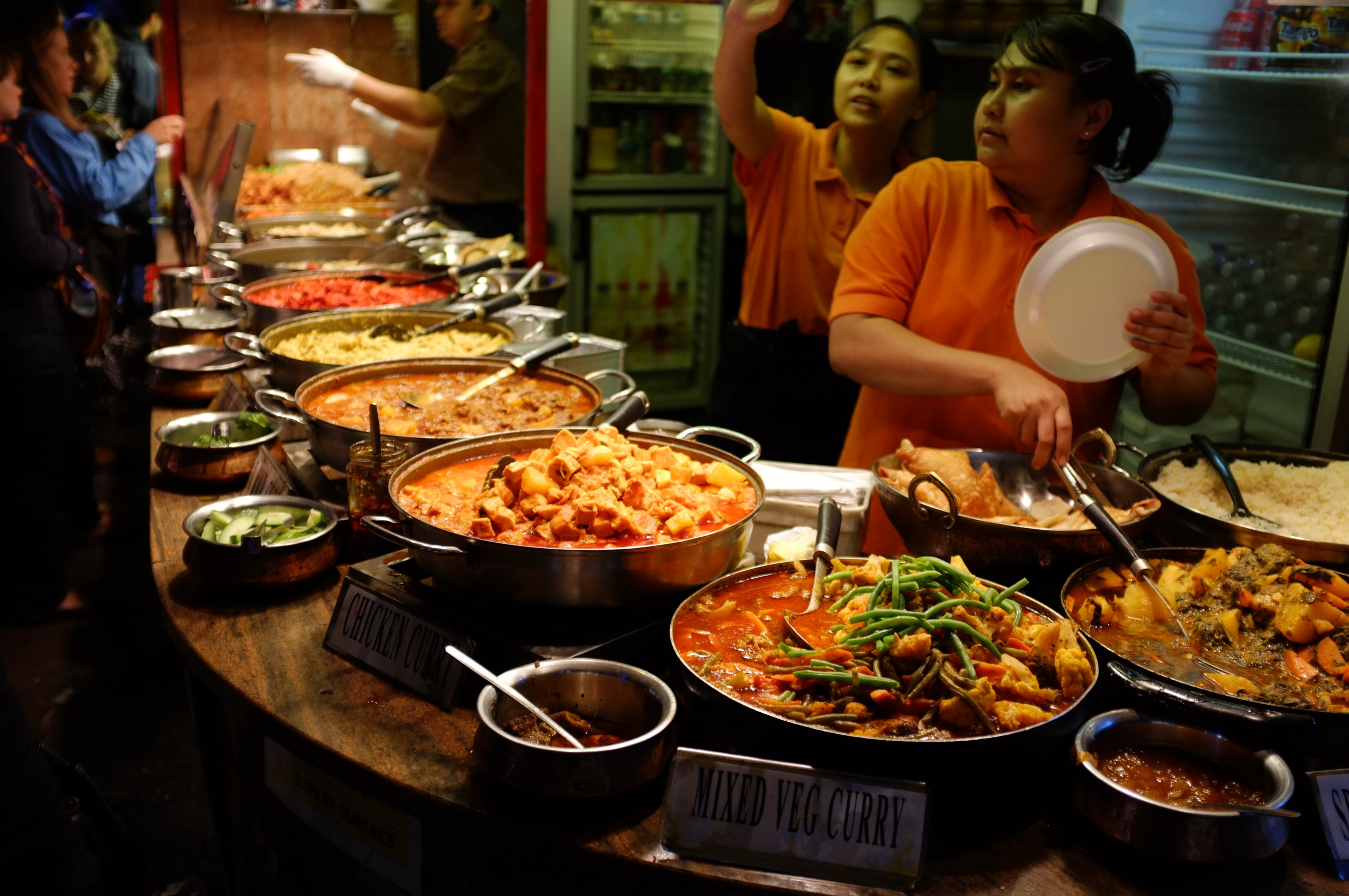
The food and beverage industry encompasses a vast array of businesses, institutions, and companies that prepare and serve meals outside the home, including restaurants, grocery stores, school and hospital cafeterias, and catering operations. With a projected global value of over $7.5 trillion by 2025, according to a report by Grand View Research, this industry is a significant contributor to the global economy. The food service industry is supported by a network of suppliers, including food service distributors like Sysco and US Foods, which provide essential products and services to food service operators. As the industry continues to evolve, with trends like sustainability and food tech gaining traction, companies like Whole Foods Market and Blue Apron are leading the way in innovative and eco-friendly practices. With the rise of meal kit delivery services and food delivery apps like Uber Eats and GrubHub, the food and beverage industry is poised for continued growth and transformation.
🍴 Origins & History
The food and beverage industry has a rich history that dates back to ancient civilizations, with evidence of food service operations found in ancient Rome and Egypt. The modern food service industry, however, began to take shape in the late 19th century with the rise of restaurants and hotels. Today, the industry is a global phenomenon, with companies like McDonald's and Starbucks operating in over 100 countries. The industry is also supported by a network of suppliers, including food service distributors like Sysco and US Foods, which provide essential products and services to food service operators.
🍔 How It Works
The food and beverage industry operates through a complex network of suppliers, manufacturers, and service providers. Food service distributors like Sysco and US Foods play a critical role in supplying food service operators with the products and services they need to operate. Companies like General Mills and PepsiCo manufacture products in both consumer and food service versions, with the food service version often packaged in larger industrial sizes. The industry is also supported by a range of technology providers, including POS systems and inventory management software like Toast and Upserve.
📊 Key Facts & Numbers
The food and beverage industry is a significant contributor to the global economy, with a projected global value of over $7.5 trillion by 2025, according to a report by Grand View Research. The industry employs millions of people worldwide, with companies like McDonald's and Starbucks among the largest employers in the world. The industry is also a major driver of innovation, with companies like Whole Foods Market and Blue Apron leading the way in sustainable and eco-friendly practices. In 2020, the industry saw a significant shift towards online ordering and delivery, with companies like Uber Eats and GrubHub experiencing significant growth.
👥 Key People & Organizations
The food and beverage industry is home to a range of key people and organizations, including companies like McDonald's and Starbucks, which are among the largest and most successful food service operators in the world. Other key players in the industry include food service distributors like Sysco and US Foods, as well as manufacturers like General Mills and PepsiCo. The industry is also supported by a range of trade associations and advocacy groups, including the National Restaurant Association and the Food Marketing Institute.
🌍 Cultural Impact & Influence
The food and beverage industry has a profound impact on culture and society, with food playing a central role in many social and cultural events. The industry is also a significant driver of innovation, with companies like Whole Foods Market and Blue Apron leading the way in sustainable and eco-friendly practices. The industry has also been impacted by trends like sustainability and food tech, with companies like Impossible Foods and Beyond Meat developing plant-based meat alternatives. In 2020, the industry saw a significant shift towards online ordering and delivery, with companies like Uber Eats and GrubHub experiencing significant growth.
⚡ Current State & Latest Developments
The food and beverage industry is currently experiencing a period of significant change and transformation, driven by trends like sustainability and food tech. Companies like Whole Foods Market and Blue Apron are leading the way in innovative and eco-friendly practices, while companies like Impossible Foods and Beyond Meat are developing plant-based meat alternatives. The industry is also seeing a significant shift towards online ordering and delivery, with companies like Uber Eats and GrubHub experiencing significant growth. In 2020, the industry saw a significant increase in meal kit delivery services, with companies like HelloFresh and Blue Apron experiencing significant growth.
🤔 Controversies & Debates
The food and beverage industry is not without its controversies and debates, with issues like food safety and sustainability being major concerns. The industry has also been impacted by trends like obesity and diabetes, with companies like McDonald's and Starbucks facing criticism for their role in contributing to these health problems. The industry is also seeing a significant shift towards plant-based and vegan options, with companies like Impossible Foods and Beyond Meat developing plant-based meat alternatives. In 2020, the industry saw a significant increase in food waste reduction efforts, with companies like Whole Foods Market and Trader Joe's implementing programs to reduce food waste.
🔮 Future Outlook & Predictions
The future of the food and beverage industry is likely to be shaped by trends like sustainability and food tech, with companies like Whole Foods Market and Blue Apron leading the way in innovative and eco-friendly practices. The industry is also likely to see a significant shift towards online ordering and delivery, with companies like Uber Eats and GrubHub experiencing significant growth. In 2025, the industry is projected to reach a global value of over $8.5 trillion, according to a report by Grand View Research.
💡 Practical Applications
The food and beverage industry has a range of practical applications, from meal kit delivery services like HelloFresh and Blue Apron, to food delivery apps like Uber Eats and GrubHub. The industry is also supported by a range of technology providers, including POS systems and inventory management software like Toast and Upserve.
Key Facts
- Year
- 2020
- Origin
- Global
- Category
- nutrition
- Type
- industry
Frequently Asked Questions
What is the food and beverage industry?
The food and beverage industry encompasses a vast array of businesses, institutions, and companies that prepare and serve meals outside the home. The industry includes restaurants, grocery stores, school and hospital cafeterias, and catering operations, among others. According to a report by Grand View Research, the industry is projected to reach a global value of over $8.5 trillion by 2025.
What are the key trends in the food and beverage industry?
The food and beverage industry is currently experiencing a range of trends, including sustainability, food tech, and online ordering. Companies like Whole Foods Market and Blue Apron are leading the way in innovative and eco-friendly practices, while companies like Impossible Foods and Beyond Meat are developing plant-based meat alternatives.
What are the key challenges facing the food and beverage industry?
The food and beverage industry is facing a range of challenges, including food safety, sustainability, and obesity. The industry is also impacted by trends like diabetes and heart disease, with companies like McDonald's and Starbucks facing criticism for their role in contributing to these health problems.
What is the future of the food and beverage industry?
The future of the food and beverage industry is likely to be shaped by trends like sustainability and food tech, with companies like Whole Foods Market and Blue Apron leading the way in innovative and eco-friendly practices. The industry is also likely to see a significant shift towards online ordering and delivery, with companies like Uber Eats and GrubHub experiencing significant growth.
How is the food and beverage industry impacted by technology?
The food and beverage industry is being significantly impacted by technology, with companies like Toast and Upserve providing POS systems and inventory management software to food service operators. The industry is also seeing a significant shift towards online ordering and delivery, with companies like Uber Eats and GrubHub experiencing significant growth.
What are the key players in the food and beverage industry?
The food and beverage industry is home to a range of key players, including companies like McDonald's and Starbucks, which are among the largest and most successful food service operators in the world. Other key players in the industry include food service distributors like Sysco and US Foods, as well as manufacturers like General Mills and PepsiCo.
How is the food and beverage industry impacted by sustainability?
The food and beverage industry is being significantly impacted by sustainability, with companies like Whole Foods Market and Blue Apron leading the way in innovative and eco-friendly practices. The industry is also seeing a significant shift towards plant-based and vegan options, with companies like Impossible Foods and Beyond Meat developing plant-based meat alternatives.
What are the key statistics in the food and beverage industry?
The food and beverage industry is a significant contributor to the global economy, with a projected global value of over $8.5 trillion by 2025, according to a report by Grand View Research. The industry employs millions of people worldwide, with companies like McDonald's and Starbucks among the largest employers in the world. In 2020, the industry saw a significant increase in meal kit delivery services, with companies like HelloFresh and Blue Apron experiencing significant growth.
How is the food and beverage industry impacted by food waste?
The food and beverage industry is being significantly impacted by food waste, with companies like Whole Foods Market and Trader Joe's implementing programs to reduce food waste. The industry is also seeing a significant shift towards sustainable and eco-friendly practices, with companies like Impossible Foods and Beyond Meat developing plant-based meat alternatives.
What are the key trends in food and beverage technology?
The food and beverage industry is being significantly impacted by technology, with companies like Toast and Upserve providing POS systems and inventory management software to food service operators. The industry is also seeing a significant shift towards online ordering and delivery, with companies like Uber Eats and GrubHub experiencing significant growth.
How is the food and beverage industry impacted by consumer preferences?
The food and beverage industry is being significantly impacted by consumer preferences, with companies like Whole Foods Market and Blue Apron leading the way in innovative and eco-friendly practices. The industry is also seeing a significant shift towards plant-based and vegan options, with companies like Impossible Foods and Beyond Meat developing plant-based meat alternatives.
What are the key challenges facing food and beverage companies?
The food and beverage industry is facing a range of challenges, including food safety, sustainability, and obesity. The industry is also impacted by trends like diabetes and heart disease, with companies like McDonald's and Starbucks facing criticism for their role in contributing to these health problems.