
Contents
- 🔍 Introduction to Executive Functioning
- 💡 The Cognitive Science Behind Executive Functions
- 📈 The Role of Executive Functions in Goal-Directed Behavior
- 🔒 Understanding Basic Executive Functions
- 📊 Higher-Order Executive Functions: Planning and Fluid Intelligence
- 🤝 The Interplay Between Executive Functions and Other Cognitive Processes
- 📊 The Impact of Executive Functions on Productivity
- 📈 Strategies for Improving Executive Functions
- 📊 The Relationship Between Executive Functions and [[cognitive_bias|Cognitive Biases]]
- 📈 The Future of Executive Functioning Research
- 📊 Applying Executive Functioning Principles in Real-World Scenarios
- Frequently Asked Questions
- Related Topics
Overview
Executive functioning refers to a set of high-level cognitive processes, including planning, working memory, attention, problem-solving, and verbal reasoning, that enable individuals to achieve their goals. Developed by psychologists such as Alan Baddeley and Russell Barkley, executive functioning is crucial for tasks like multitasking, decision-making, and error correction. However, executive functioning deficits are common in individuals with ADHD, autism, and traumatic brain injuries, leading to difficulties in daily life and academic or professional settings. Research by neuroscientists like Adele Diamond and Stephen Hinshaw has shed light on the neural mechanisms underlying executive functioning, highlighting the importance of prefrontal cortex development and dopamine regulation. With a vibe score of 8, executive functioning is a highly debated topic, with some arguing that it can be improved through targeted interventions and others claiming that it is largely fixed. As we move forward, it is essential to consider the implications of executive functioning on education, employment, and mental health, and to develop evidence-based strategies for supporting individuals with executive functioning deficits.
🔍 Introduction to Executive Functioning
Executive functioning is a crucial aspect of Cognitive Psychology that enables individuals to regulate their thoughts and actions to achieve specific goals. It involves a set of cognitive processes that support goal-directed behavior, including Attentional Control, Inhibitory Control, and Working Memory. These processes are essential for Problem Solving and Decision Making. Researchers like Alan Baddeley have made significant contributions to our understanding of executive functions. The study of executive functioning has also been influenced by Neuroscience and Artificial Intelligence.
💡 The Cognitive Science Behind Executive Functions
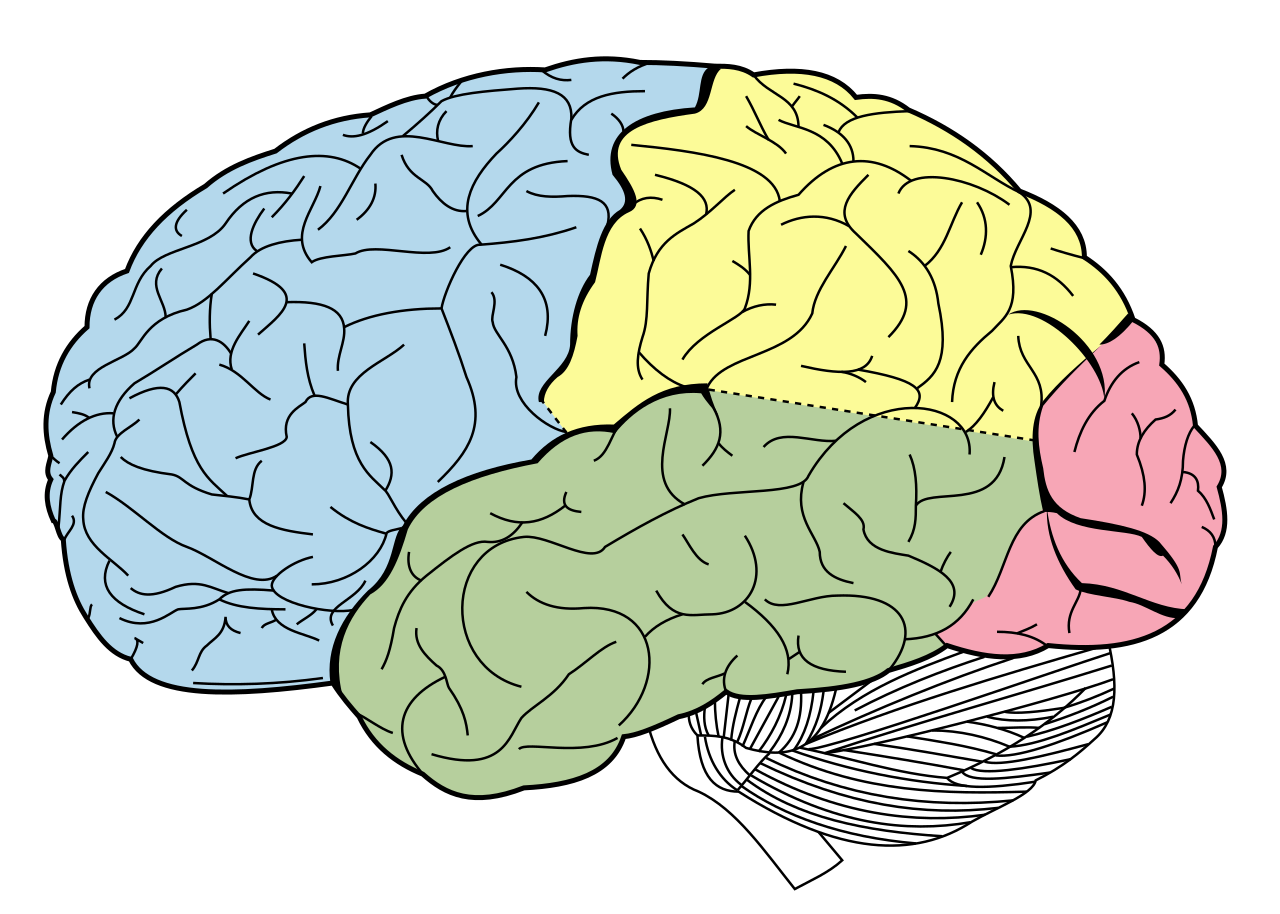
The cognitive science behind executive functions is complex and multifaceted. It involves the coordination of multiple brain regions, including the Prefrontal Cortex and the Basal Ganglia. Executive functions are also closely linked to Motivation and Emotion, as they play a critical role in regulating emotional responses and motivating behavior. Furthermore, executive functions are influenced by Personality Traits and Intelligence. The work of researchers like Daniel Kahneman has shed light on the cognitive biases that can affect executive functions.
📈 The Role of Executive Functions in Goal-Directed Behavior
Executive functions play a vital role in goal-directed behavior, enabling individuals to select and monitor actions that facilitate the attainment of chosen objectives. This involves the use of Planning and Problem Solving strategies, as well as the ability to adapt to changing circumstances. Executive functions are also essential for Time Management and Organization. The ability to prioritize tasks and manage time effectively is critical for achieving goals. Additionally, executive functions are influenced by Learning Theory and Memory.
🔒 Understanding Basic Executive Functions
Basic executive functions include Attentional Control, Cognitive Inhibition, Inhibitory Control, Working Memory, and Cognitive Flexibility. These processes are essential for regulating thoughts and actions, and are closely linked to Perception and Action. Basic executive functions are also influenced by Sensory Processing and Motor Control. The study of basic executive functions has been influenced by Psychology and Neuroscience.
📊 Higher-Order Executive Functions: Planning and Fluid Intelligence
Higher-order executive functions require the simultaneous use of multiple basic executive functions and include Planning and Fluid Intelligence. These processes are essential for complex problem solving and decision making, and are closely linked to Creativity and Innovation. Higher-order executive functions are also influenced by Critical Thinking and Analytical Reasoning. The work of researchers like Howard Gardner has shed light on the importance of higher-order executive functions in Education.
🤝 The Interplay Between Executive Functions and Other Cognitive Processes
The interplay between executive functions and other cognitive processes is complex and multifaceted. Executive functions are closely linked to Memory, Learning, and Emotion, and play a critical role in regulating emotional responses and motivating behavior. The study of executive functions has also been influenced by Social Psychology and Developmental Psychology. Additionally, executive functions are influenced by Culture and Socioeconomic Status.
📊 The Impact of Executive Functions on Productivity
Executive functions have a significant impact on Productivity, enabling individuals to regulate their thoughts and actions to achieve specific goals. The ability to prioritize tasks, manage time effectively, and adapt to changing circumstances is critical for achieving goals. Executive functions are also essential for Stress Management and Wellbeing. The study of executive functions has been influenced by Positive Psychology and Occupational Health.
📈 Strategies for Improving Executive Functions
Strategies for improving executive functions include Cognitive Training, Mindfulness, and Physical Exercise. These strategies can help improve Attention, Working Memory, and Cognitive Flexibility, and can have a positive impact on Productivity and Wellbeing. The work of researchers like Angela Duckworth has shed light on the importance of Grit and Perseverance in improving executive functions.
📊 The Relationship Between Executive Functions and [[cognitive_bias|Cognitive Biases]]
The relationship between executive functions and Cognitive Biases is complex and multifaceted. Executive functions can be influenced by cognitive biases, and can also play a role in regulating cognitive biases. The study of executive functions has been influenced by Behavioral Economics and Social Cognition. Additionally, executive functions are influenced by Neuroplasticity and Brain Development.
📈 The Future of Executive Functioning Research
The future of executive functioning research is likely to involve the development of new strategies for improving executive functions, as well as a greater understanding of the neural mechanisms underlying executive functions. The study of executive functions will continue to be influenced by Neuroscience, Artificial Intelligence, and Data Science. The work of researchers like Andrew Wiles has shed light on the importance of Mathematics in understanding executive functions.
📊 Applying Executive Functioning Principles in Real-World Scenarios
Applying executive functioning principles in real-world scenarios can have a significant impact on Productivity and Wellbeing. The ability to regulate thoughts and actions, and to adapt to changing circumstances, is critical for achieving goals. Executive functions are also essential for Leadership and Team Management. The study of executive functions has been influenced by Business and Management.
Key Facts
- Year
- 1970
- Origin
- Alan Baddeley's Working Memory Model
- Category
- Cognitive Psychology
- Type
- Psychological Concept
Frequently Asked Questions
What are executive functions?
Executive functions are a set of cognitive processes that support goal-directed behavior, including attentional control, cognitive inhibition, inhibitory control, working memory, and cognitive flexibility. They are essential for regulating thoughts and actions, and play a critical role in problem solving and decision making. Executive functions are influenced by neuroscience, artificial intelligence, and cognitive psychology.
How do executive functions impact productivity?
Executive functions have a significant impact on productivity, enabling individuals to regulate their thoughts and actions to achieve specific goals. The ability to prioritize tasks, manage time effectively, and adapt to changing circumstances is critical for achieving goals. Executive functions are also essential for stress management and wellbeing.
What strategies can improve executive functions?
Strategies for improving executive functions include cognitive training, mindfulness, and physical exercise. These strategies can help improve attention, working memory, and cognitive flexibility, and can have a positive impact on productivity and wellbeing. The work of researchers like Angela Duckworth has shed light on the importance of grit and perseverance in improving executive functions.
How do executive functions relate to cognitive biases?
The relationship between executive functions and cognitive biases is complex and multifaceted. Executive functions can be influenced by cognitive biases, and can also play a role in regulating cognitive biases. The study of executive functions has been influenced by behavioral economics and social cognition.
What is the future of executive functioning research?
The future of executive functioning research is likely to involve the development of new strategies for improving executive functions, as well as a greater understanding of the neural mechanisms underlying executive functions. The study of executive functions will continue to be influenced by neuroscience, artificial intelligence, and data science.
How can executive functioning principles be applied in real-world scenarios?
Applying executive functioning principles in real-world scenarios can have a significant impact on productivity and wellbeing. The ability to regulate thoughts and actions, and to adapt to changing circumstances, is critical for achieving goals. Executive functions are also essential for leadership and team management.
What is the role of executive functions in goal-directed behavior?
Executive functions play a vital role in goal-directed behavior, enabling individuals to select and monitor actions that facilitate the attainment of chosen objectives. This involves the use of planning and problem-solving strategies, as well as the ability to adapt to changing circumstances.